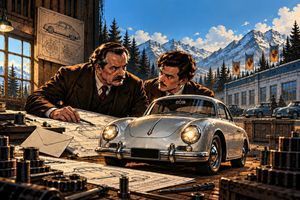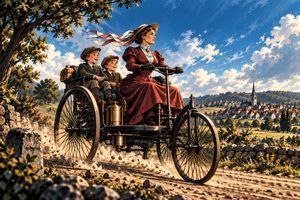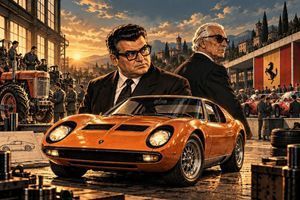
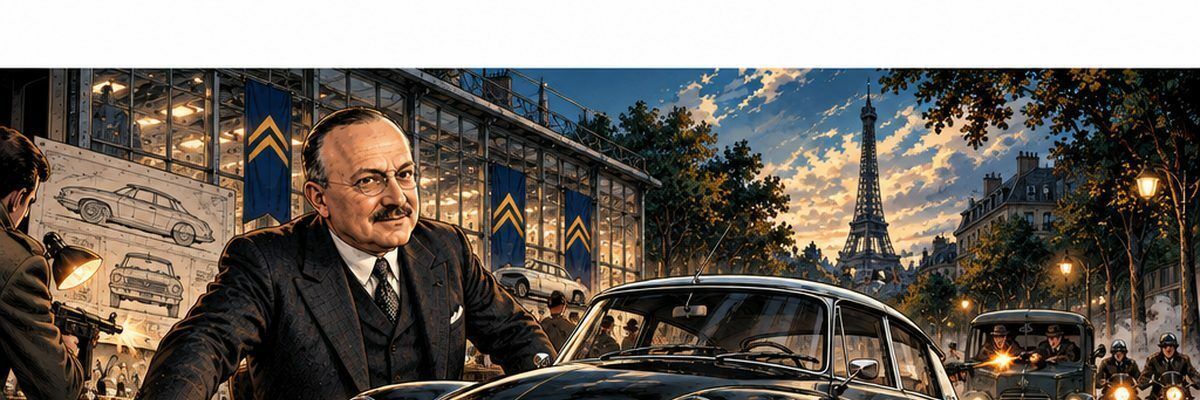
Citroën was founded by the French engineer André Citroën, the son of a diamond merchant. He turned a Paris shell factory on the Quai de Javel into a car plant. In 1919 the Citroën Type A rolled out of it, Europe's first mass-produced car. The two chevrons in the logo echo the teeth of gears, and a patent for those gears is where André once began. The founder never saw his most famous car, the Citroën DS. The company was taken from him over debts, and he died half a year later.

In this story:
- How the Citroën DS carried a general out of a hail of bullets
- Who founded Citroën?
- What was the first Citroën car?
- Why did André Citroën lose his company?
- Why is the Citroën DS called the “goddess”?
- How did the night at Petit-Clamart end?
How the Citroën DS carried a general out of a hail of bullets
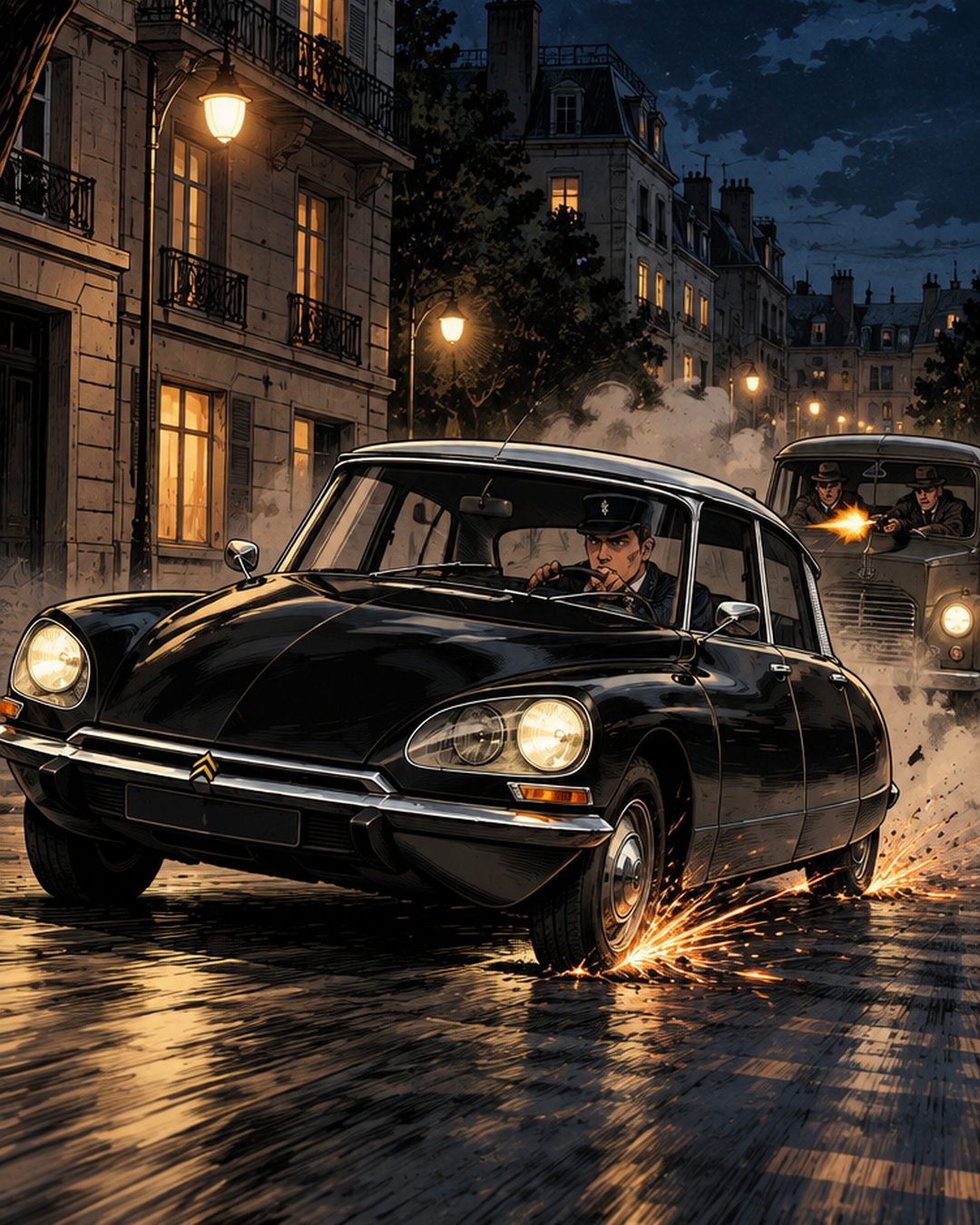
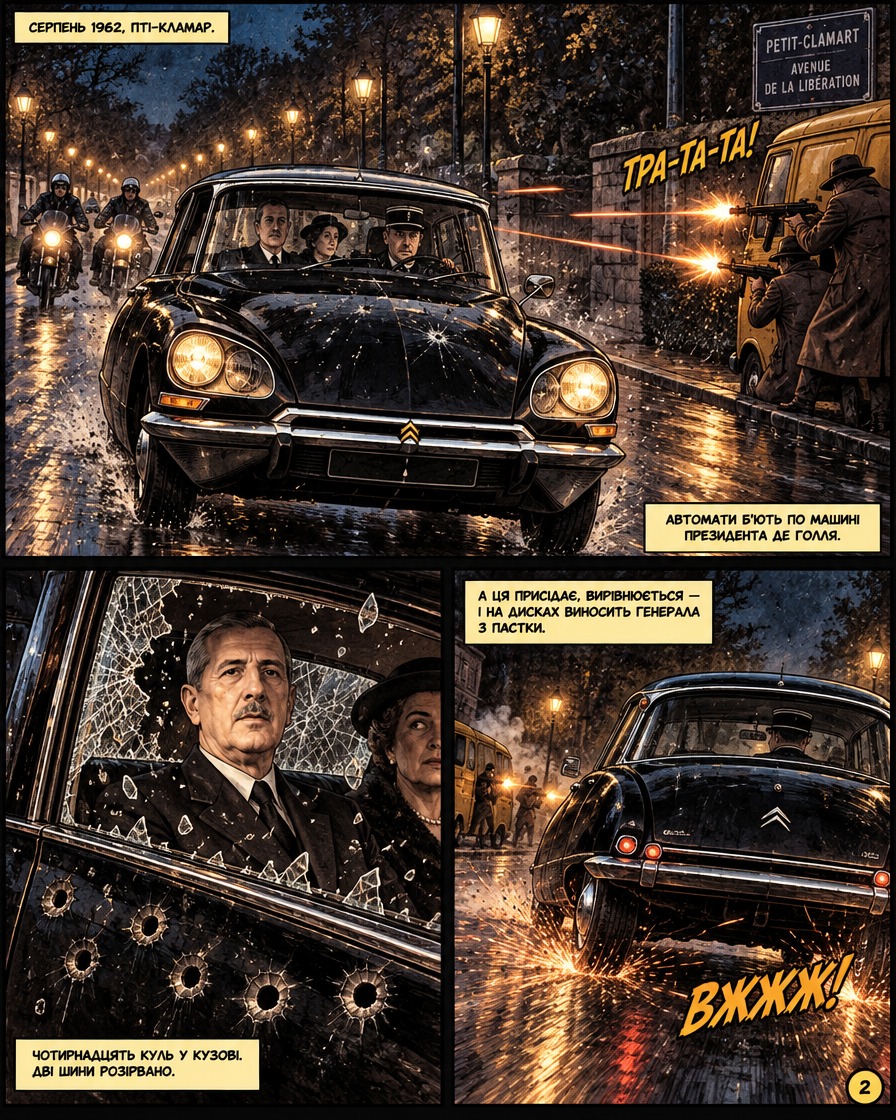
An August evening in the Paris suburb of Petit-Clamart. A black Citroën DS 19 is taking French President Charles de Gaulle and his wife to a military airfield. From a van at the roadside, submachine guns open fire. The plotters from the underground OAS organization have decided that the general will not arrive tonight.
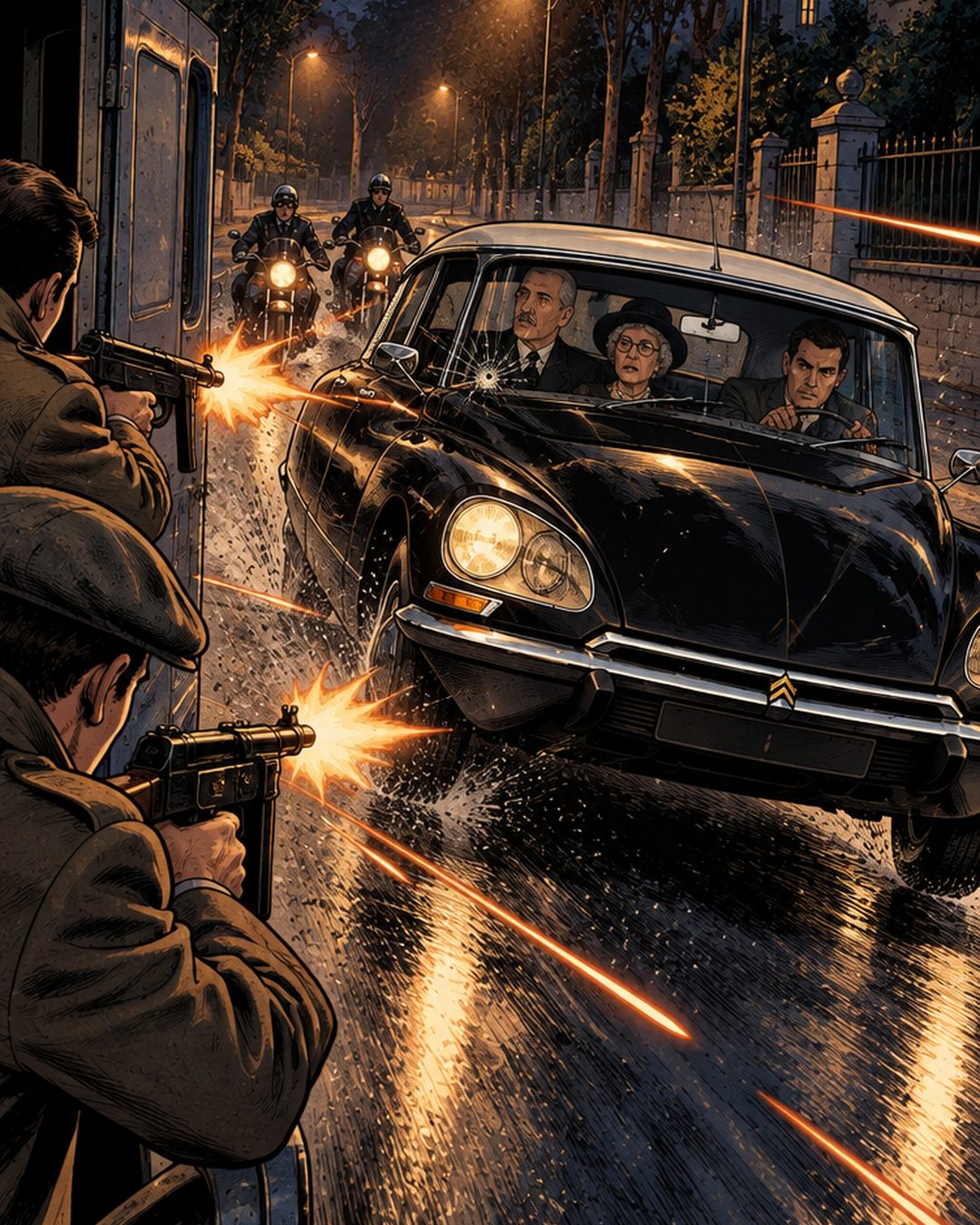
Bullets tear into the body one after another. Later, fourteen holes will be counted in it. Two tires are shredded and the glass is riddled. At that speed, a heavy sedan should already be rolling over at the roadside.
We will tell you how that night ended at the close. First, we need to understand whose name was on the hood of that car and why that man never saw it.
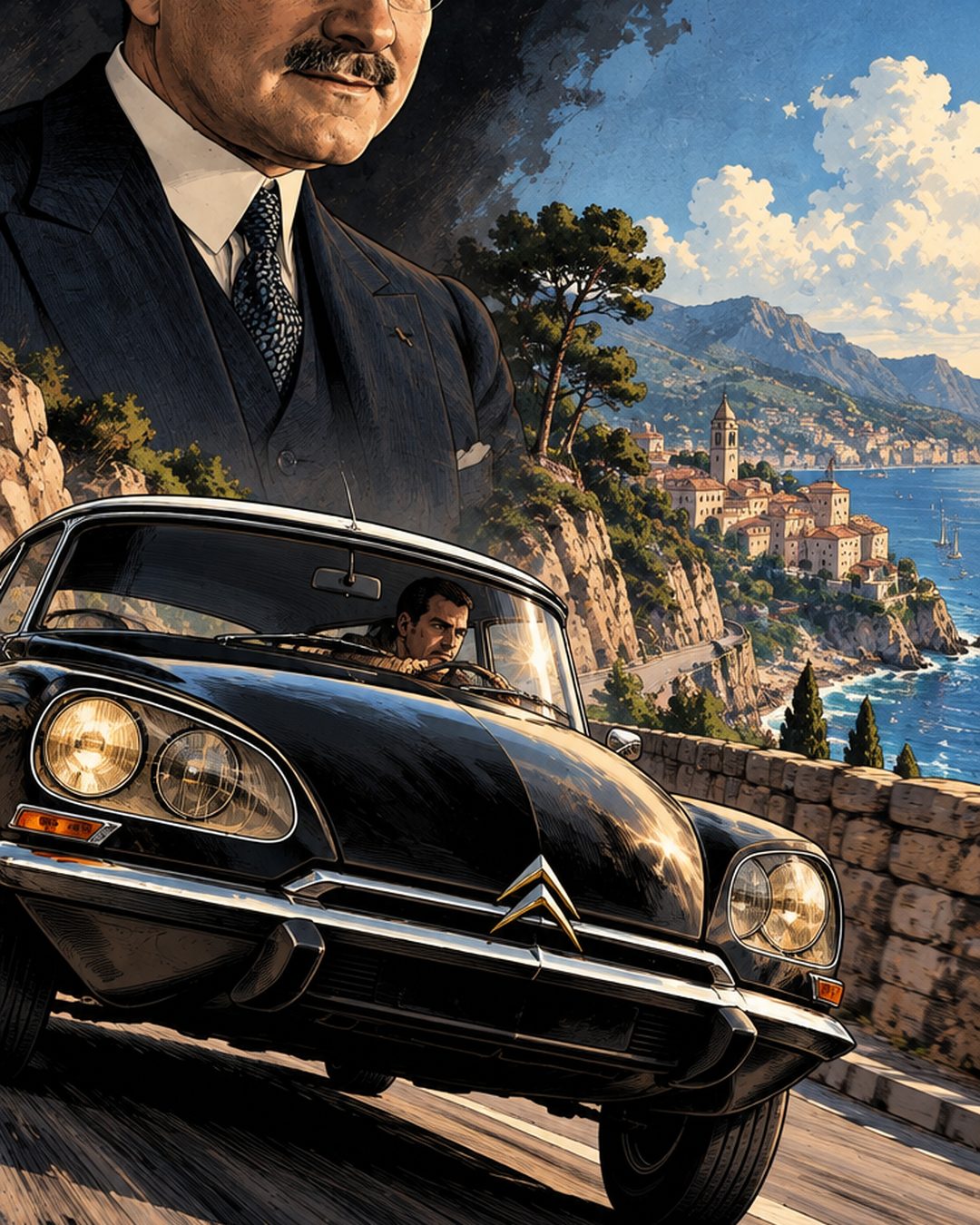
We told this story in 3 minutes. Watch how the “goddess” with a borrowed name on her hood came to be.
Who founded Citroën?
Paris. André is six years old. His father, a diamond merchant from Amsterdam, goes bankrupt on an African mine, according to the family version, and takes his own life. His mother, a Pole from Warsaw, is left alone with the children.
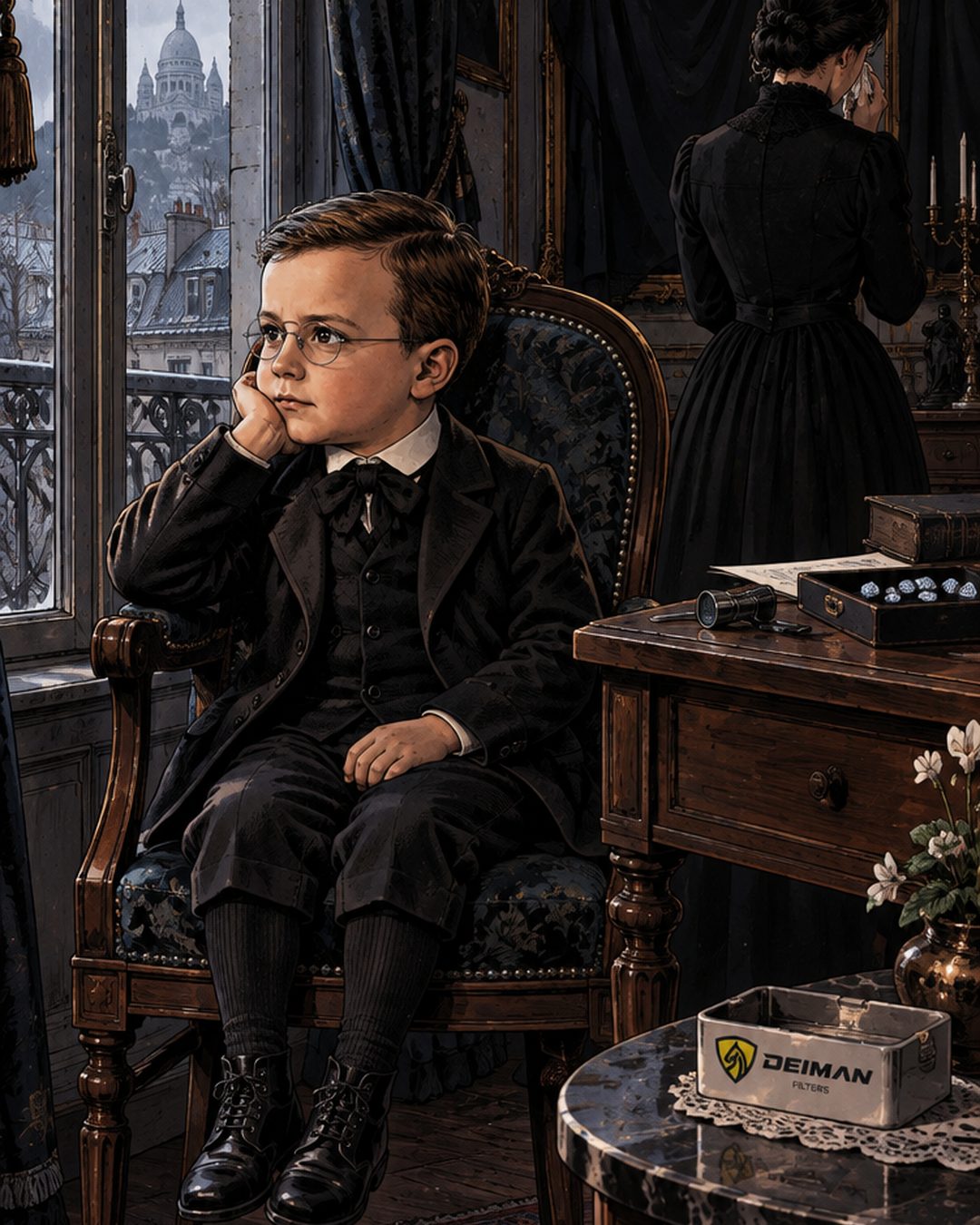
The boy grows up with that silence, like a stone in his pocket. He studies brilliantly and enters the École Polytechnique, France's most prestigious engineering school. But the real turning point awaits him far from Paris, in a village workshop.
Why is the Citroën logo two chevrons?
At twenty-two, André travels to his mother's homeland, Poland. There he sees a carpenter cutting wooden gears with herringbone teeth. Such V-shaped teeth mesh more quietly and bear more load than straight ones.
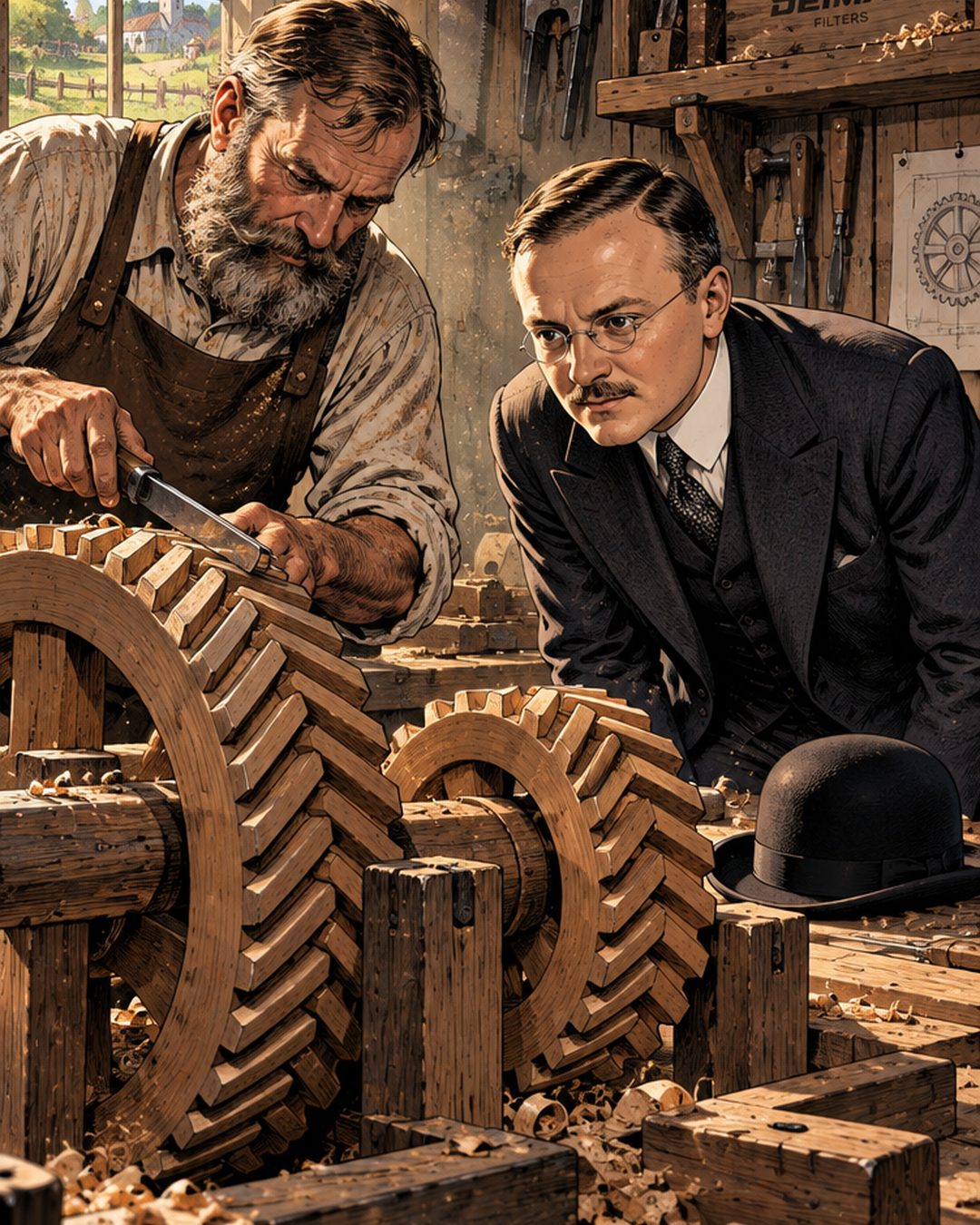
André buys the patent for next to nothing and returns home with an idea that will feed him for years: making such gears from steel for factories, ships and machines. He will later put the two chevrons of those teeth on every car he makes.
What was the first Citroën car?
War. Artillery officer Citroën sees that French guns are short of shells. He proposes a bold plan to the Ministry of War: build a factory on wasteland by the Seine, on the Quai de Javel, and produce thousands of shells a day. They let him, and he really does build it.
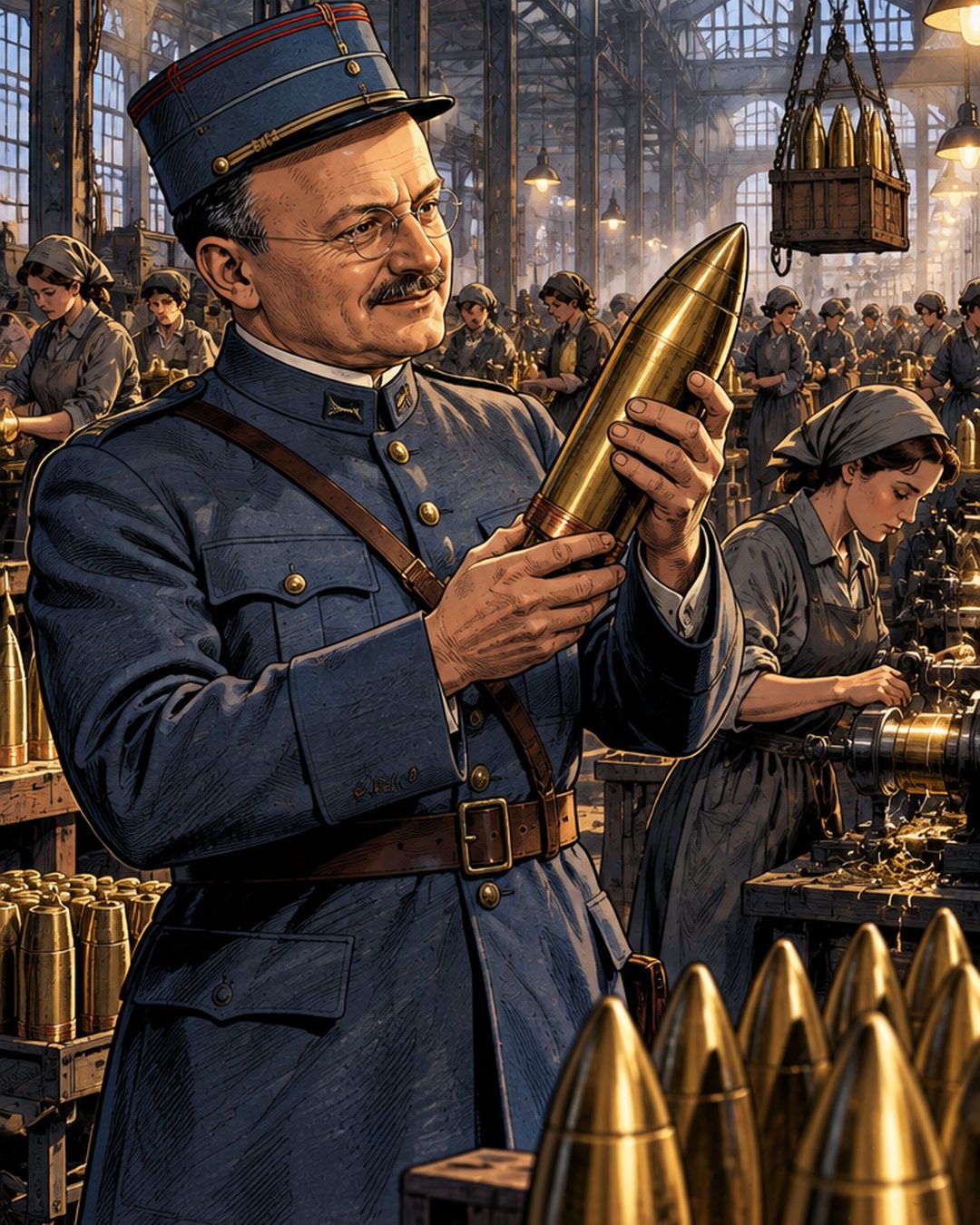
Over the war years Javel turns out millions of shells. Even before the war, André had traveled to Detroit and seen Henry Ford's assembly line. Now he has the workshops, the experience of flow production, and a whole army of trained workers.
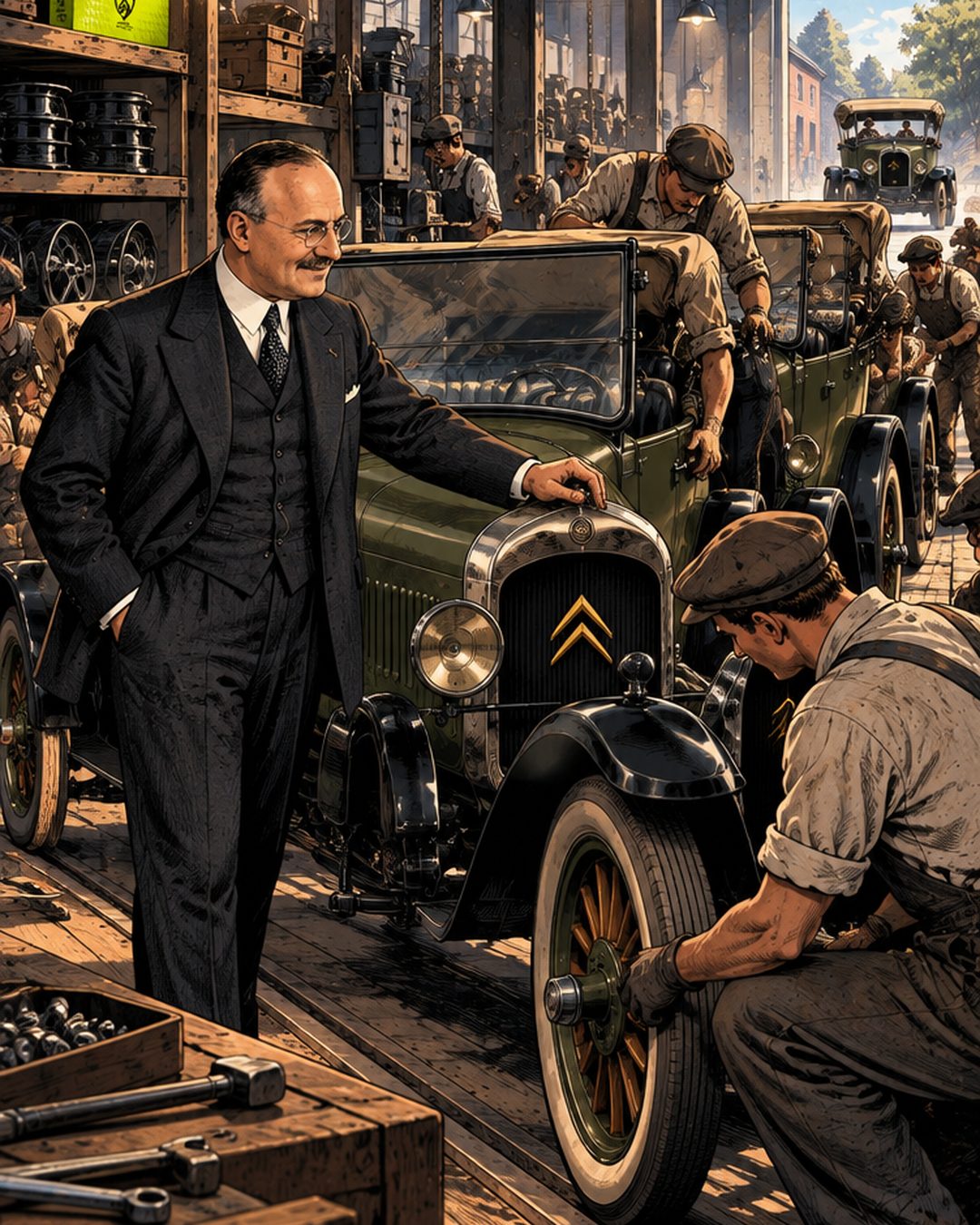
When the guns fall silent, he installs an assembly line in those same workshops. In 1919 the Citroën Type A drives out of the gates, Europe's first mass-produced car. It is sold fully equipped: with a body, electric headlights, a starter and a spare wheel. It is a car not for the rich, but for everyone.
How Citroën crossed the Sahara and lit up the Eiffel Tower
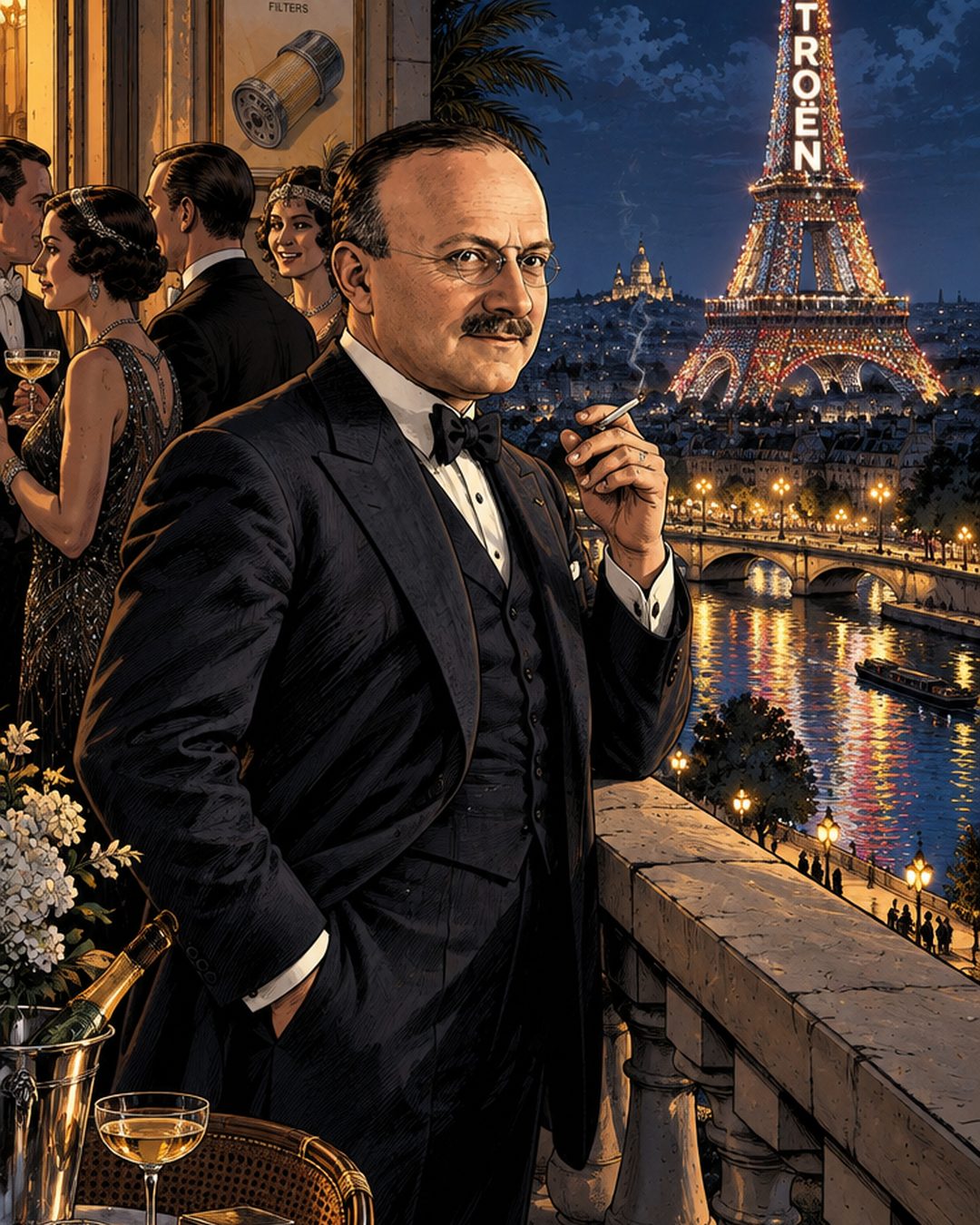
André seems to still fear that he won't be noticed, so he talks about himself to the whole world. Citroën half-tracks become the first in history to cross the Sahara by car, and later traverse all of Africa from north to south. Newspapers write about these expeditions like adventure novels.
Six years after the Type A, Paris sees an advertisement the world has never known.
Why did André Citroën lose his company?
It seemed there was nowhere higher to go. But André wants more: an entirely new car with front-wheel drive and a unibody, and a new factory for it. He rebuilds Javel in a matter of months without stopping production.
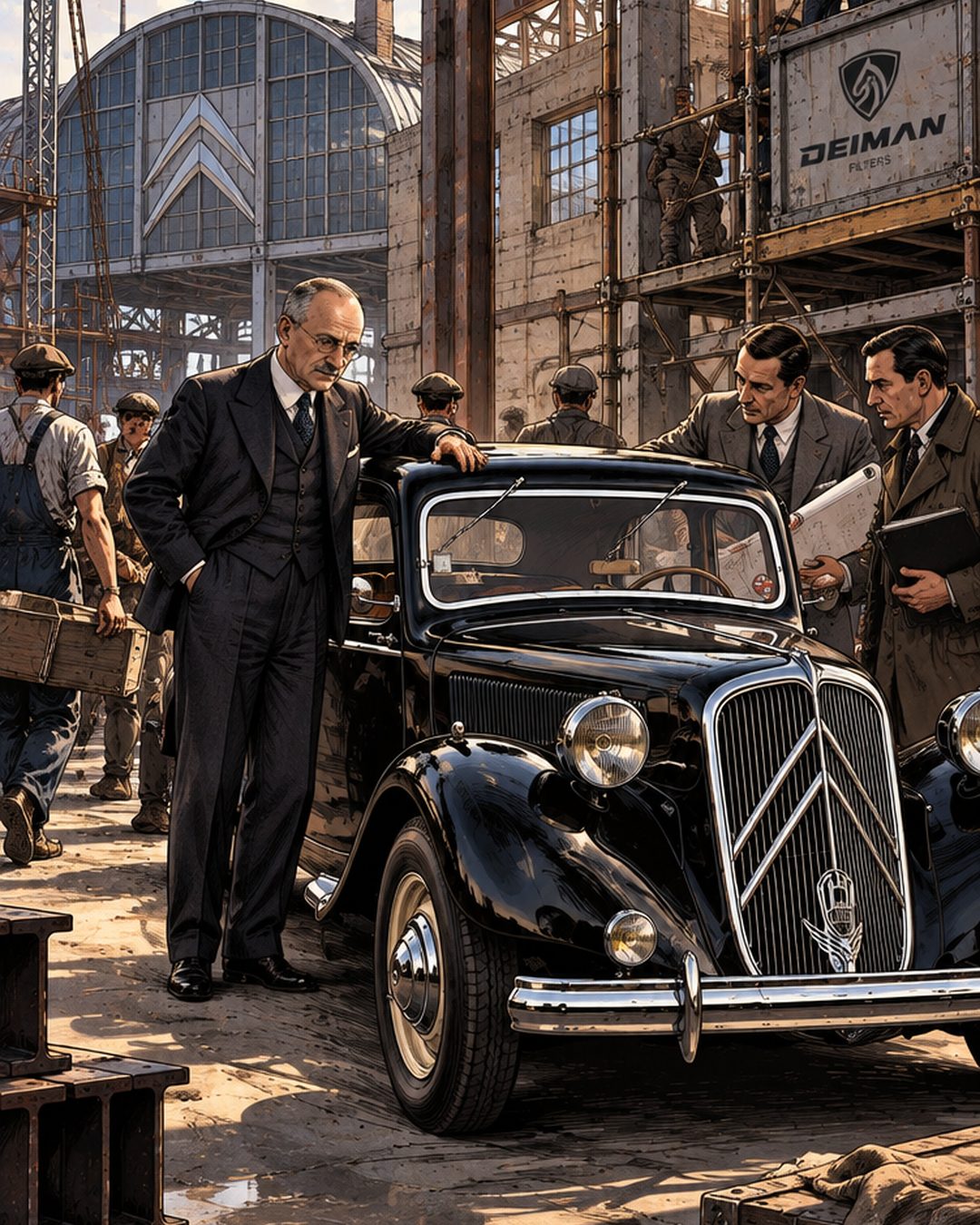
The car turned out brilliant. The Traction Avant, literally “front-wheel drive,” set the layout by which most passenger cars would later be built. But the money melts faster than concrete sets in the new workshops. They say that at night André also gambled away fortunes at the Deauville casino, as if the thrill drowned out his fear.
The banks close their doors. That same year the company is on the verge of bankruptcy, and its main creditor, the tire company Michelin, takes it over for the debts. The founder is removed from the business he built from scratch.
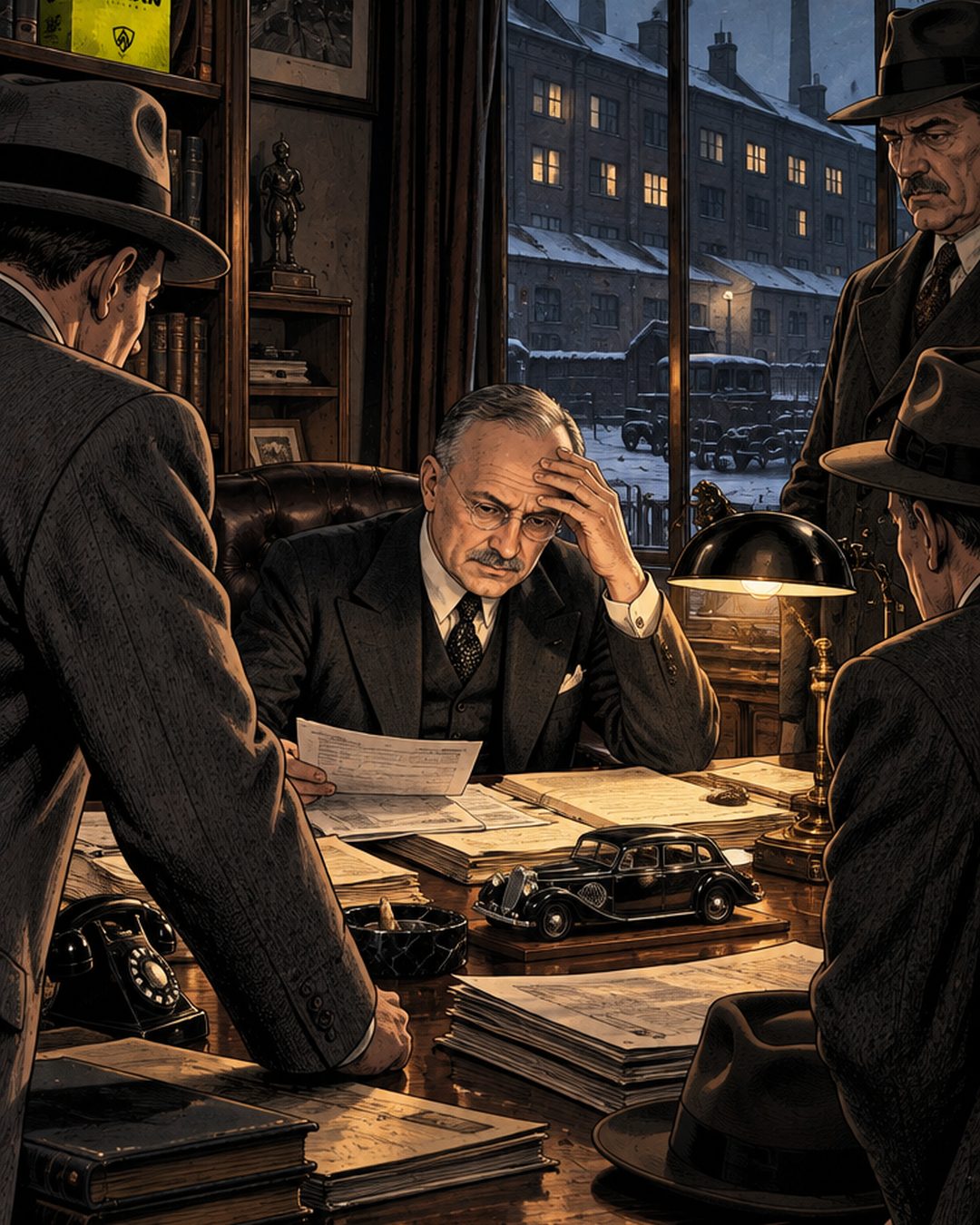
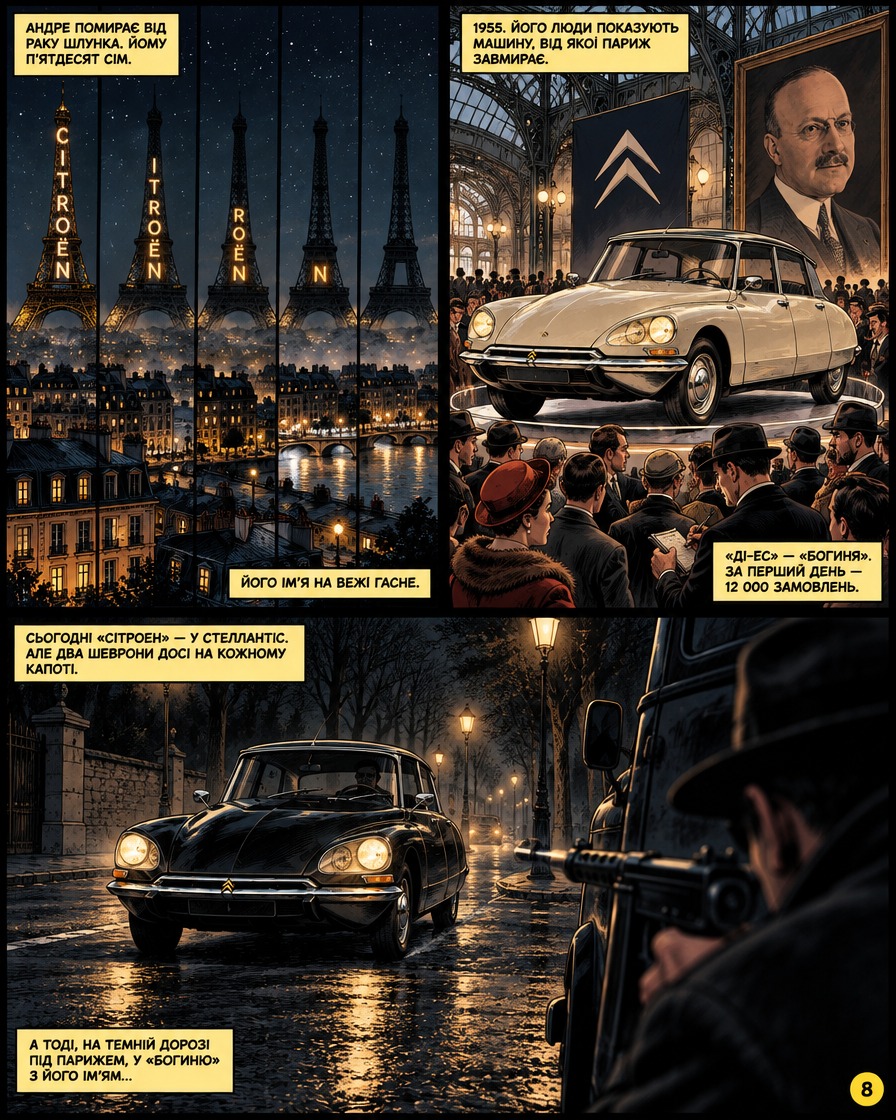
Half a year later André dies of stomach cancer. He is fifty-seven. The sign on the Eiffel Tower no longer shines.
Why is the Citroën DS called the “goddess”?
Twenty years after his death, people who once worked with André at Javel unveil a car that makes Paris freeze. The year is 1955, the Paris Motor Show. On the podium stands a low, streamlined sedan that looks as if it came from the future. The engine starts, and the body slowly rises on its suspension.
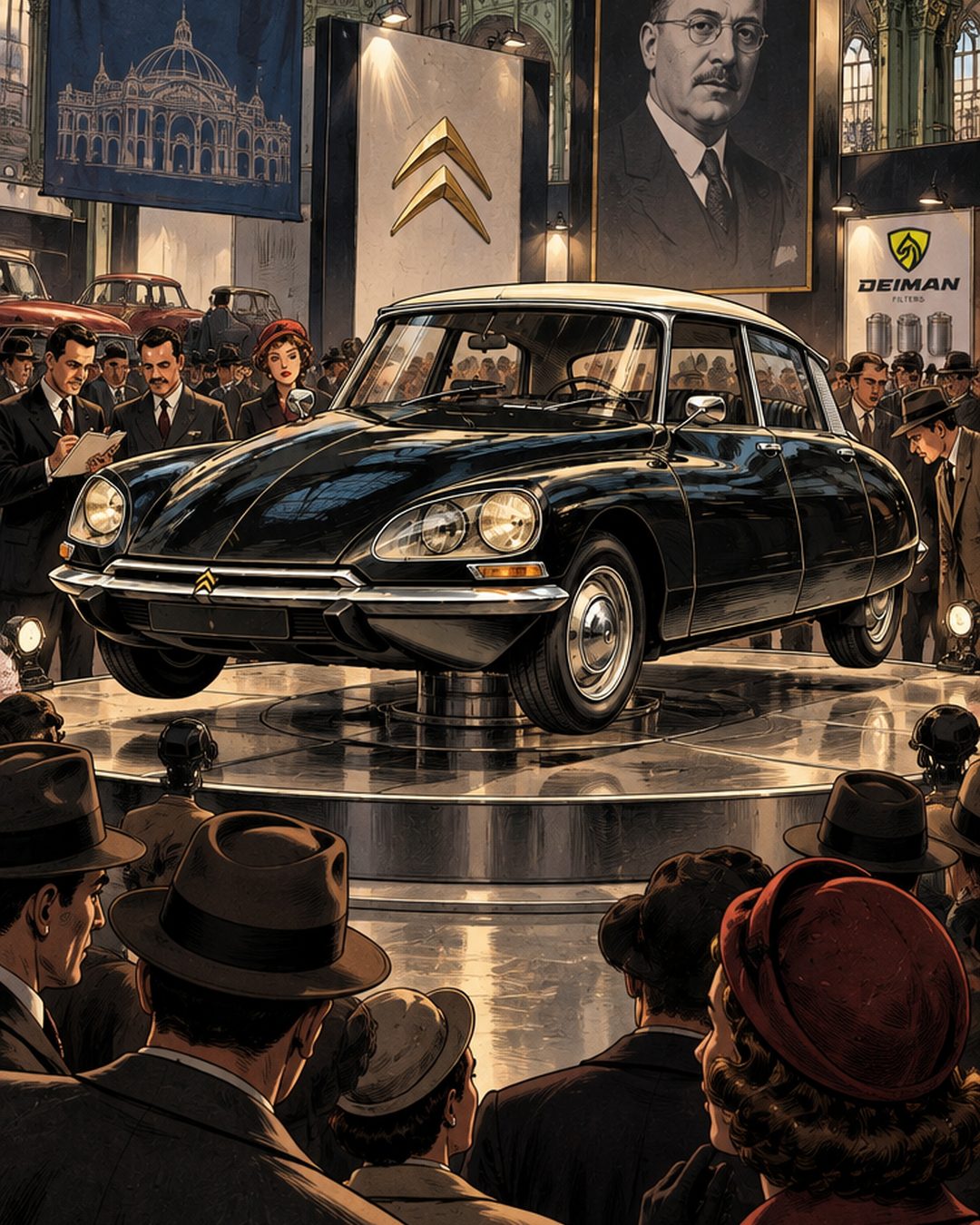
In French, the letters DS are pronounced the same as déesse, meaning “goddess.” The car was created by the same people as the Traction Avant: engineer André Lefèbvre and sculptor-designer Flaminio Bertoni. The suspension was developed by self-taught engineer Paul Magès.
What technical features did the Citroën DS have?
The main marvel of the DS was its hydropneumatic suspension. Instead of steel springs, it used spheres filled with nitrogen and pressurized fluid. The car kept its ride height on its own regardless of load, and the driver could raise it before a bad road. The same hydraulics powered the power steering, the brakes and the semi-automatic gearbox.
The roof was fiberglass, and the front had disc brakes, a rarity for a production sedan of those years. That is why the DS looked like a visitor from another planet even next to the most expensive cars at the show.
Car specifications
| Parameter | Value |
| Model | Citroën DS 19 |
| Production years of the DS/ID family | 1955–1975 |
| Engine | 4 cylinders, 1,911 cc |
| Power (early DS 19) | 75 hp |
| Suspension | hydropneumatic, with automatic height adjustment |
| DS and ID production | about 1.45 million |

The “goddess” smoothed out broken roads so well that passengers forgot about the potholes. Today, comfort in a Citroën cabin also depends on the air you breathe in city traffic.
DEIMAN Ultra Series cabin filters with nanocrystalline filtration technology trap city dust and fine particles before they get into the cabin.
Find a DEIMAN filter for your car →
How did the night at Petit-Clamart end?
Let's return to the dark road outside Paris. Seven years have passed since the premiere of the “goddess.” In the shadow of the van, a gun barrel rises.
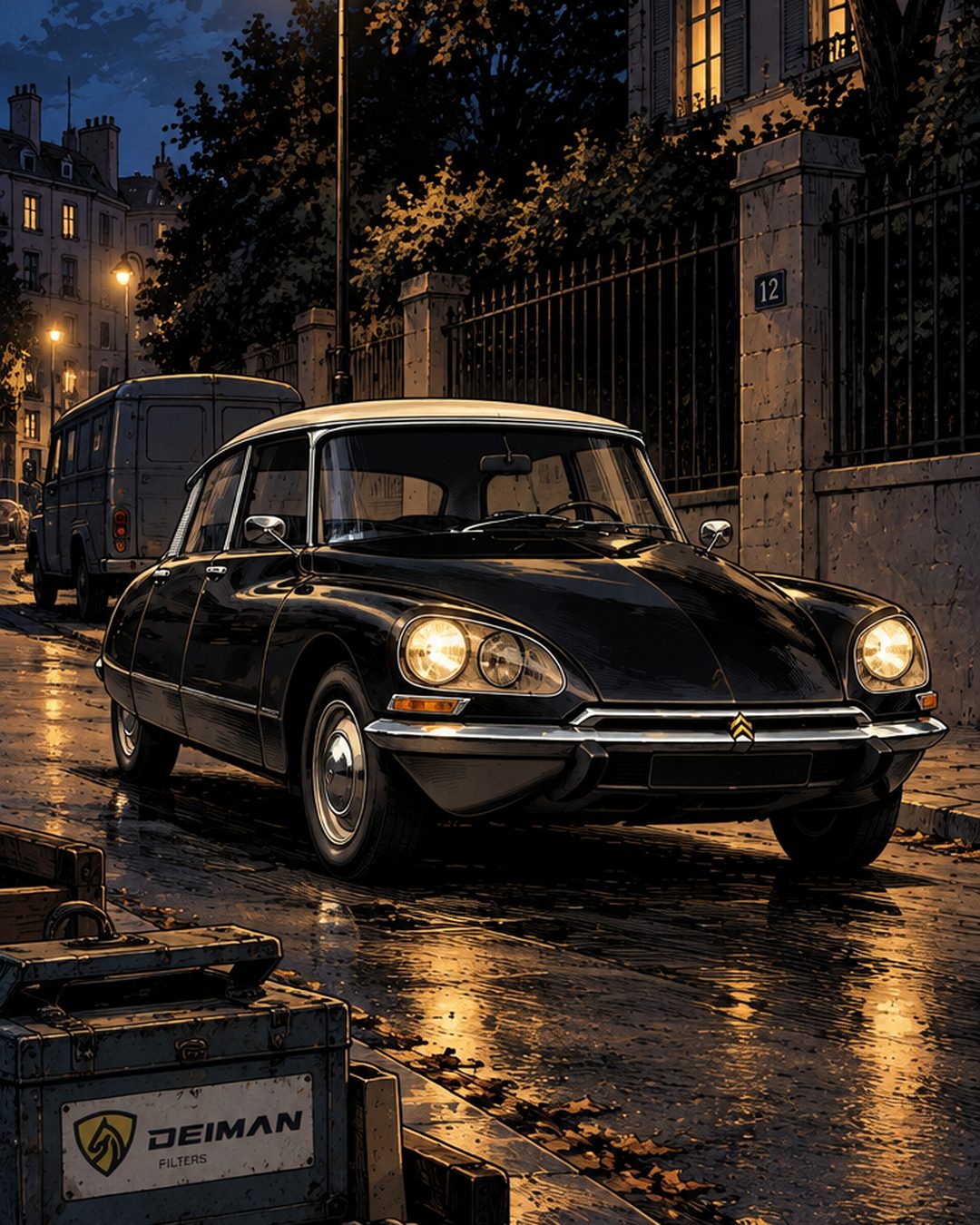
Two tires are shredded, and sparks fly from the rims. But the DS does not fly into the ditch. The hydropneumatics catch the body: the car squats, levels out and, on bare rims, carries the general out of the trap. The driver does not lift off the gas, and de Gaulle and his wife reach the airfield unharmed.
After that evening, the DS in France was no longer just a car. It became part of national legend, and later one of the most recognizable cars of the century.
Timeline
| Year | Event |
| 1900 | André Citroën buys a patent for chevron gears in Poland |
| 1915 | Shell factory on the Quai de Javel in Paris |
| 1919 | Citroën Type A, Europe's first mass-produced car |
| 1925 | The CITROËN sign lights up on the Eiffel Tower |
| 1934 | Premiere of the Traction Avant; the company passes to Michelin over debts |
| 1935 | André Citroën dies at 57 |
| 1955 | Premiere of the Citroën DS at the Paris Motor Show |
| 1962 | The DS saves de Gaulle during the Petit-Clamart assassination attempt |
André Citroën gave everything he had for cars that were meant to be for everyone. He lost control of the company at fifty-six: the banks refused credit, and Michelin took the factory over for debts. The company has long since ceased to belong to Citroën's family.
Yet the two chevrons still sit on every hood. It is the drawing of a wooden gear, once bought for next to nothing from a Polish carpenter. The next episode of “Birth of Auto Legends” will tell another story of a man who bet everything on a single car. And what do you think: was André a genius ahead of his time, or a gambler who put everything on the line and lost?
The whole story in comic form
9 pages · Swipe sideways →
 1 / 9
 2 / 9
 3 / 9
 4 / 9
 5 / 9
 6 / 9
 7 / 9
 8 / 9
 9 / 9
Frequently asked questions
Who founded the Citroën company?
Citroën was founded by the French engineer André Citroën (1878–1935), a graduate of the École Polytechnique in Paris. He first made chevron gears, built a shell factory on the Quai de Javel during the First World War, and in 1919 turned it into a car plant. He ran the company until the end of 1934, when its main creditor, Michelin, took it over for debts.
When did the first Citroën car appear?
The first Citroën car, the Type A, left the factory on the Quai de Javel in Paris in 1919. It is considered Europe's first mass-produced assembly-line car. The Type A was sold fully equipped, with a body, electric lighting, a starter and a spare wheel, so the buyer did not have to order a body separately from a coachbuilder.
What does the Citroën logo with two chevrons mean?
The two chevrons in the Citroën logo echo the teeth of a herringbone gear with V-shaped teeth. At 22, André Citroën saw such wooden gears in Poland, bought the patent and began making them from steel. That business predated cars, which is why the gear symbol became the brand's emblem.
Why is the Citroën DS called a goddess?
In French, the letters DS are pronounced the same as the word déesse, meaning “goddess.” The press and public picked up this wordplay immediately after the 1955 premiere at the Paris Motor Show. The futuristic streamlined body and the suspension that lifted the car after the engine started only cemented the nickname for the model.
Who created the Citroën DS?
The Citroën DS was created by the team that had earlier worked on the Traction Avant. The engineering side was led by André Lefèbvre, the body was designed by the Italian sculptor and designer Flaminio Bertoni, and the hydropneumatic suspension was developed by self-taught engineer Paul Magès. André Citroën did not live to see the DS: he died twenty years before its premiere.
How did the Citroën DS save de Gaulle?
In August 1962 in Petit-Clamart near Paris, OAS plotters opened fire on President de Gaulle's Citroën DS 19. The body took fourteen bullets and two tires were shredded. The hydropneumatic suspension kept the car on the road, and the driver carried the general and his wife out of the ambush on bare rims. The passengers were not hurt.
What is Citroën's hydropneumatic suspension?
It is a suspension that uses spheres with nitrogen and a special pressurized fluid instead of steel springs. It provides a very smooth ride, automatically maintains the body height regardless of load, and lets the driver change the ground clearance. On the Citroën DS, the same hydraulic system also powered the brakes, power steering and gearbox.
Why did André Citroën go bankrupt?
André Citroën invested enormous sums simultaneously in developing the Traction Avant and in completely rebuilding the Javel factory. The costs exceeded the company's means, the banks refused new loans, and in 1934 Citroën found itself on the verge of bankruptcy. According to legend, his large losses at the Deauville casino made things worse. The company passed to its main creditor, Michelin.
Did André Citroën ever see the Citroën DS?
No. André Citroën died in July 1935 of stomach cancer at the age of 57, about half a year after he lost the company. The Citroën DS was unveiled only in 1955, twenty years after his death. The car was created by engineers and designers whom he had once brought together at the Javel factory.
How many Citroën DS cars were built?
From 1955 to 1975, Citroën built about 1.45 million cars of the DS family, together with the simplified ID version. Production lasted twenty years, during which the car received more powerful engines, swiveling headlights and a station wagon body. The DS was succeeded by the Citroën CX.
What is the Citroën Traction Avant?
The Traction Avant (French for “front-wheel drive”) is a 1934 Citroën model with front-wheel drive and a load-bearing all-steel unibody without a separate frame. For its time it was a revolutionary solution that later became the standard for most passenger cars. It was the development and launch of the Traction Avant that cost André Citroën his company.