
Bertha Benz's first drive was the first long-distance automobile journey in history. In early August 1888, the wife of inventor Karl Benz, together with her sons Eugen and Richard, set off without telling her husband in the Benz Patent-Motorwagen from Mannheim to Pforzheim. She covered the roughly 106-kilometer route in a single day. The journey proved that the "horseless carriage" was fit for real roads, not just for Sunday demonstrations in the courtyard.

In this story:
- Who was Bertha Benz, and why did she take the wheel?
- Why did no one buy Karl Benz's invention?
- When and where did Bertha Benz go?
- How did Bertha Benz repair the car on the road?
- What did Bertha Benz's drive change?
Who was Bertha Benz, and why did she take the wheel?
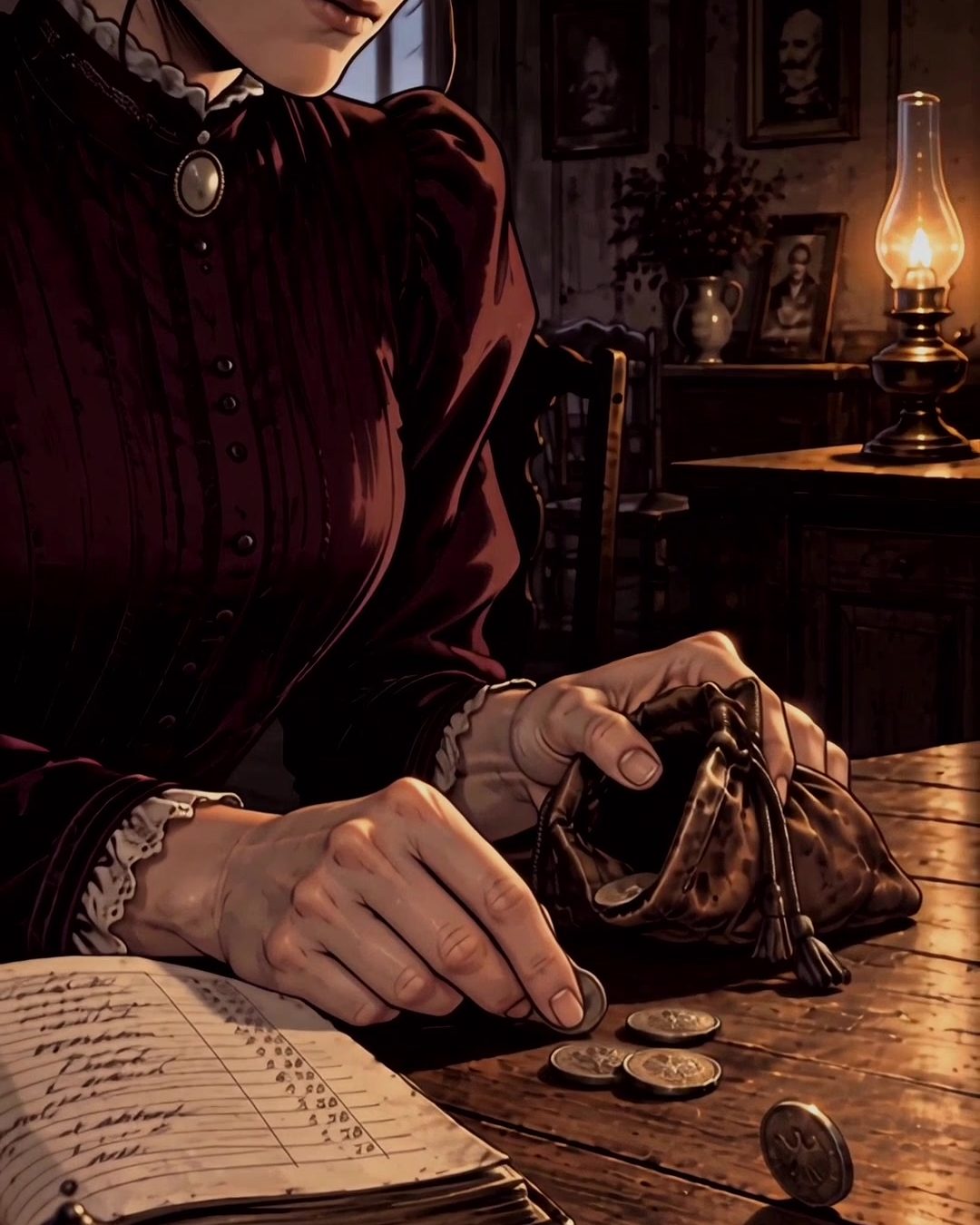
Bertha Ringer was born in Pforzheim to a well-to-do carpenter's family. Even before marrying the young engineer Karl Benz, she invested her dowry in his workshop. At the time, that money saved the business. Later, under the laws of the era, it passed into her husband's ownership: a married woman could not be a co-owner of a company.
In our episode, Bertha speaks about her husband harshly and honestly: a genius isn't a compliment, it's a diagnosis. Karl had a patent and a machine that ran, but not a single buyer. Neighbors came to look, clapped their hands, and left without buying anything.
We told this story in 3 minutes — watch Bertha roll the car out of the courtyard while everyone is asleep.
My husband is a genius. That's not a compliment. It's a diagnosis.
— Bertha Benz in the "Birth of Auto Legends" episode (dramatized reconstruction)
Why did no one buy Karl Benz's invention?
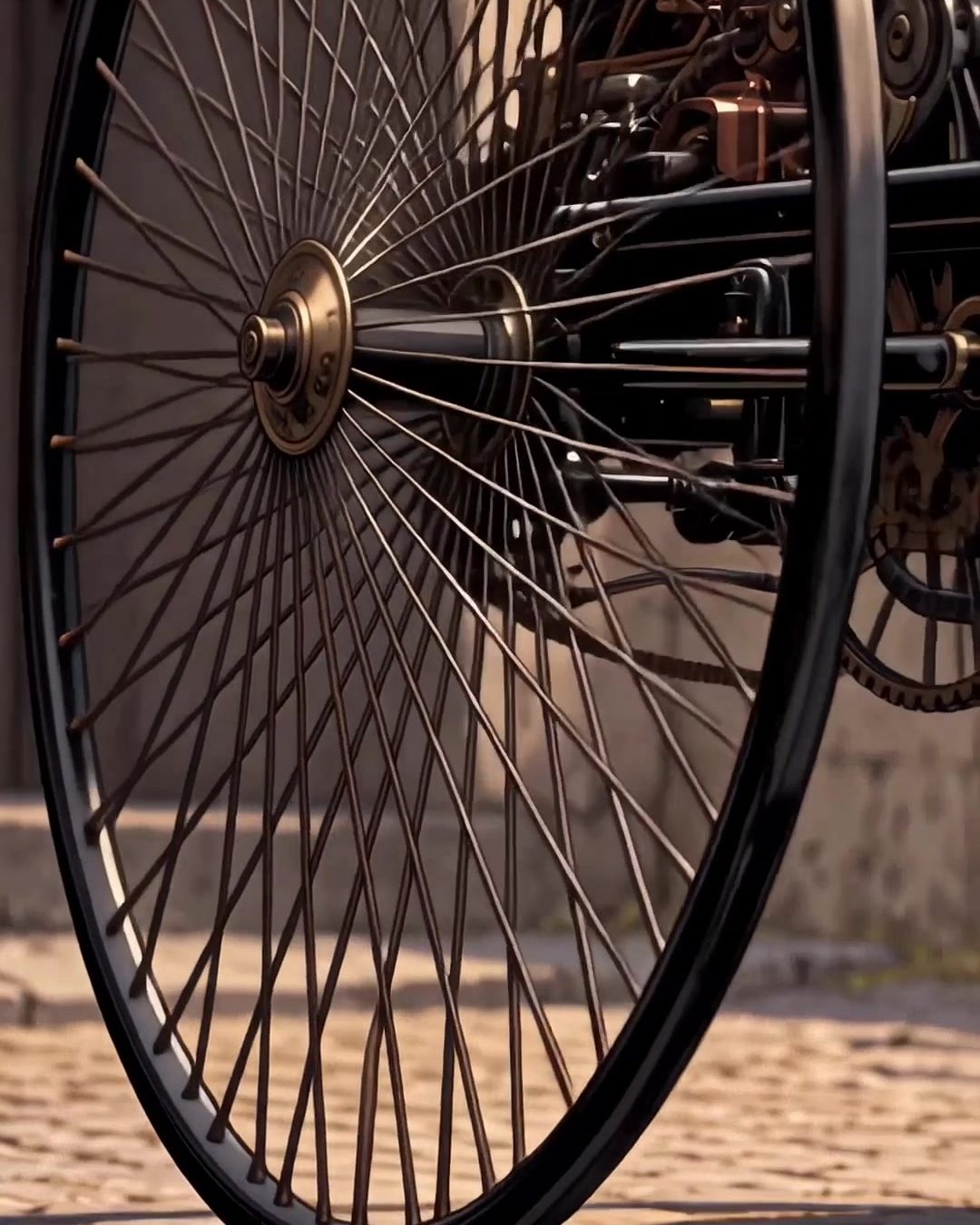
Karl received the patent for a "vehicle powered by a gas engine" in 1886. His Benz Patent-Motorwagen is considered the first true automobile: the vehicle was designed as a whole, rather than an engine being fitted to a horse-drawn carriage.
The problem wasn't the technology, it was trust. People watched the car drive a few hundred meters and return to the courtyard. No one understood what it was for when there were horses. Karl kept refining the design but was afraid to take it out on a real road. Meanwhile, the family was running out of money.
When and where did Bertha Benz go?
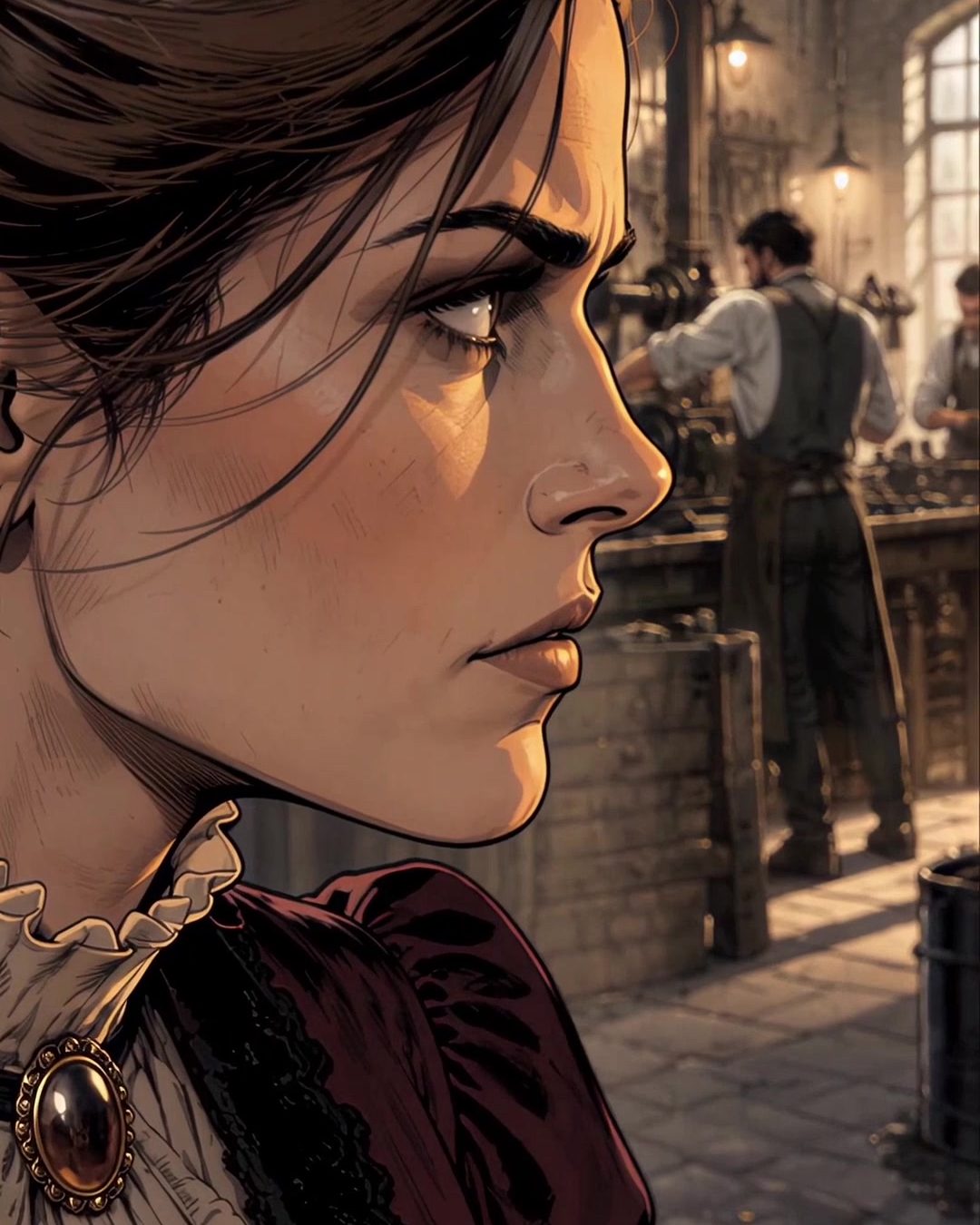
According to the story, Bertha woke her sons before dawn. Fifteen-year-old Eugen and thirteen-year-old Richard helped push the car out of the courtyard silently so as not to wake their father. A note was left on the table: they were off to visit their grandmother in Pforzheim.
In the film, that note means more than just "gone visiting." Bertha leaves angry, with the last of the money, ready not to come back. This is a dramatized reconstruction of her state of mind, but it's exactly how many explain the courage that even the inventor himself lacked at the time.
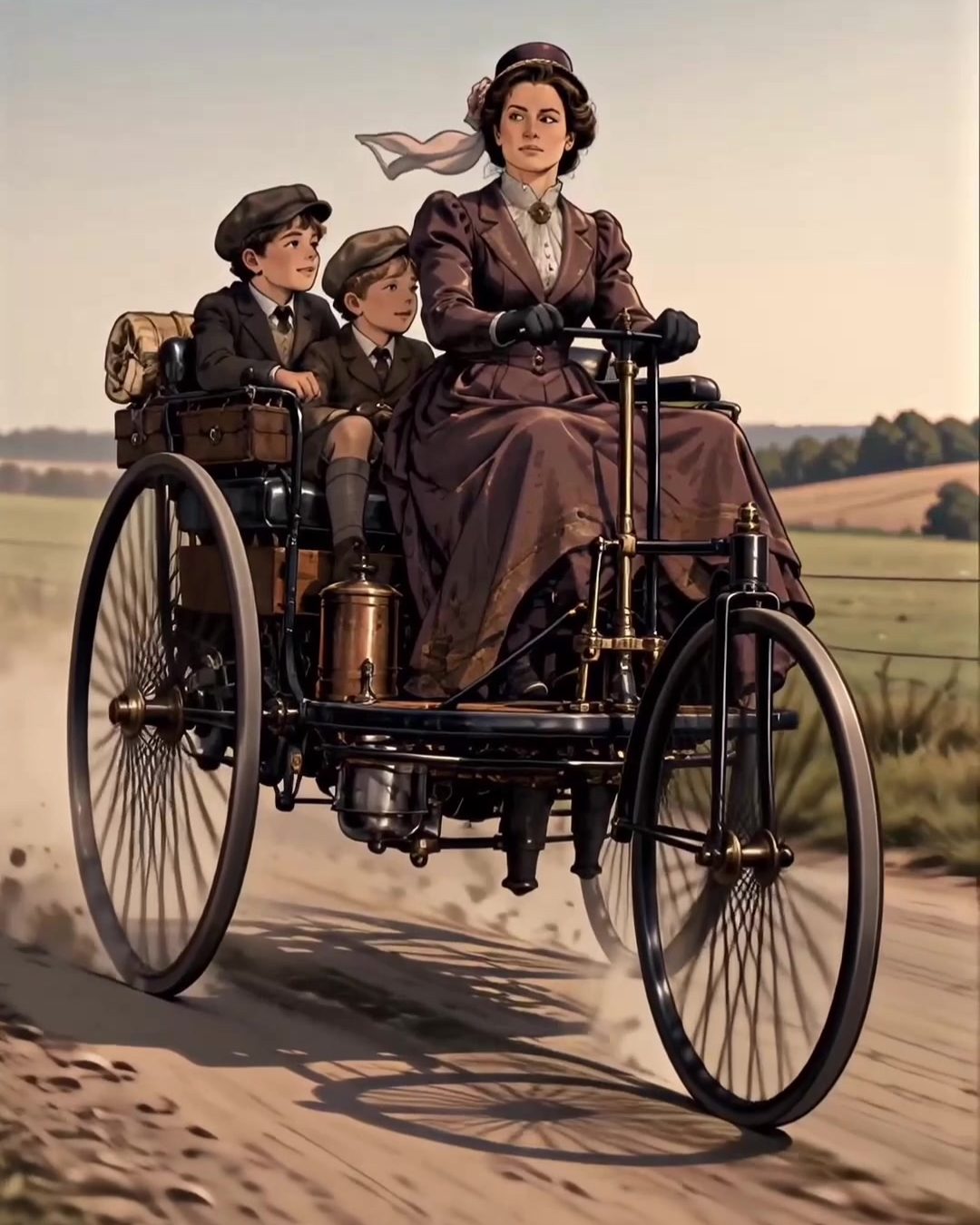
At a fork in the road, as our episode tells it, Bertha chooses not the quiet detour but the route through the towns. If she's going to haul this strange carriage a hundred and six kilometers, people might as well see it. The route ran through Heidelberg, Wiesloch, and Bruchsal: on the one hand the shortest, on the other the busiest.
How did Bertha Benz repair the car on the road?
This journey became the world's first road test of an automobile. Everything that could break did break. And every time, Bertha found a solution right on the spot, using whatever she had at hand.
Where was the first filling station in history?
The tank was small, and the fuel ran out quickly. In Wiesloch, Bertha went into the town pharmacy and bought ligroin — a light petroleum solvent sold as a stain remover. Today the Wiesloch pharmacy proudly bears the title of the world's first filling station.
A hatpin, a brooch, and leather brake blocks
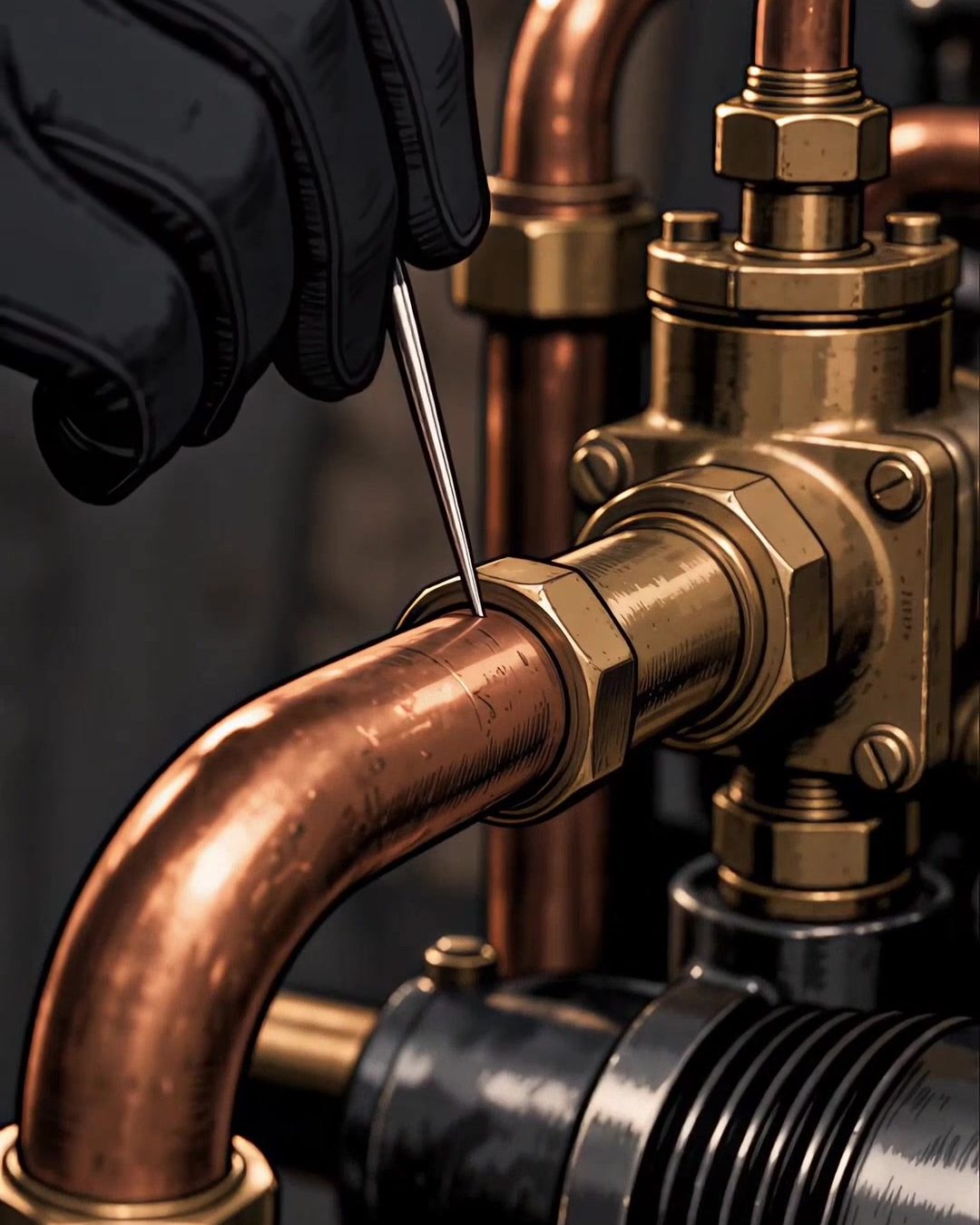
The fuel line clogged — Bertha cleared it with a hatpin in front of gawking onlookers. The drive chain snapped — a blacksmith fixed it. In the film, she pays him with a brooch: there was very little money left.
The wooden brakes wore down on the descents. So Bertha asked a cobbler to nail leather onto the brake blocks. That's how what historians call the first brake linings came about.
The last climb before Pforzheim
Night had fallen, and the steepest climb lay ahead. Two gears weren't enough for the weak engine. The engine stalled, the sons pushed the car with their shoulders, and Bertha held the tiller. They didn't know whether they'd make it that night.
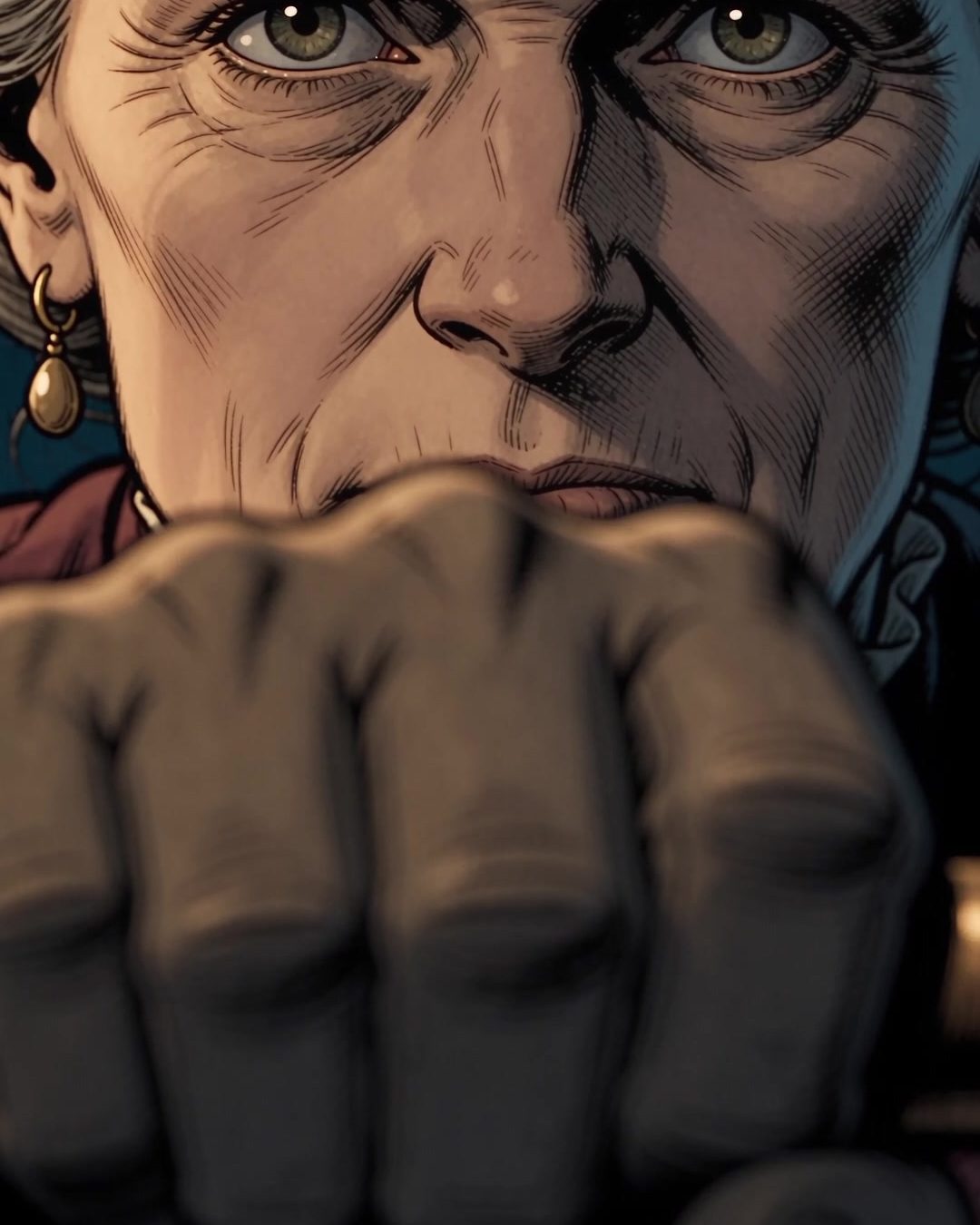
They made it. Bertha sent her husband a telegram: they had reached Pforzheim. A few days later the family returned to Mannheim by a different route. It was the first round trip ever made by automobile.
Vehicle specs
| Parameter | Value |
| Model | Benz Patent-Motorwagen (the one Bertha drove was the Model III) |
| Patent | 1886, DRP No. 37435 |
| Layout | three-wheeled, rear-mounted engine |
| First-version engine | single-cylinder four-stroke, 954 cc, approx. 0.75 hp |
| Speed | up to approx. 16 km/h |
| Fuel | ligroin from the pharmacy |
What did Bertha Benz's drive change?
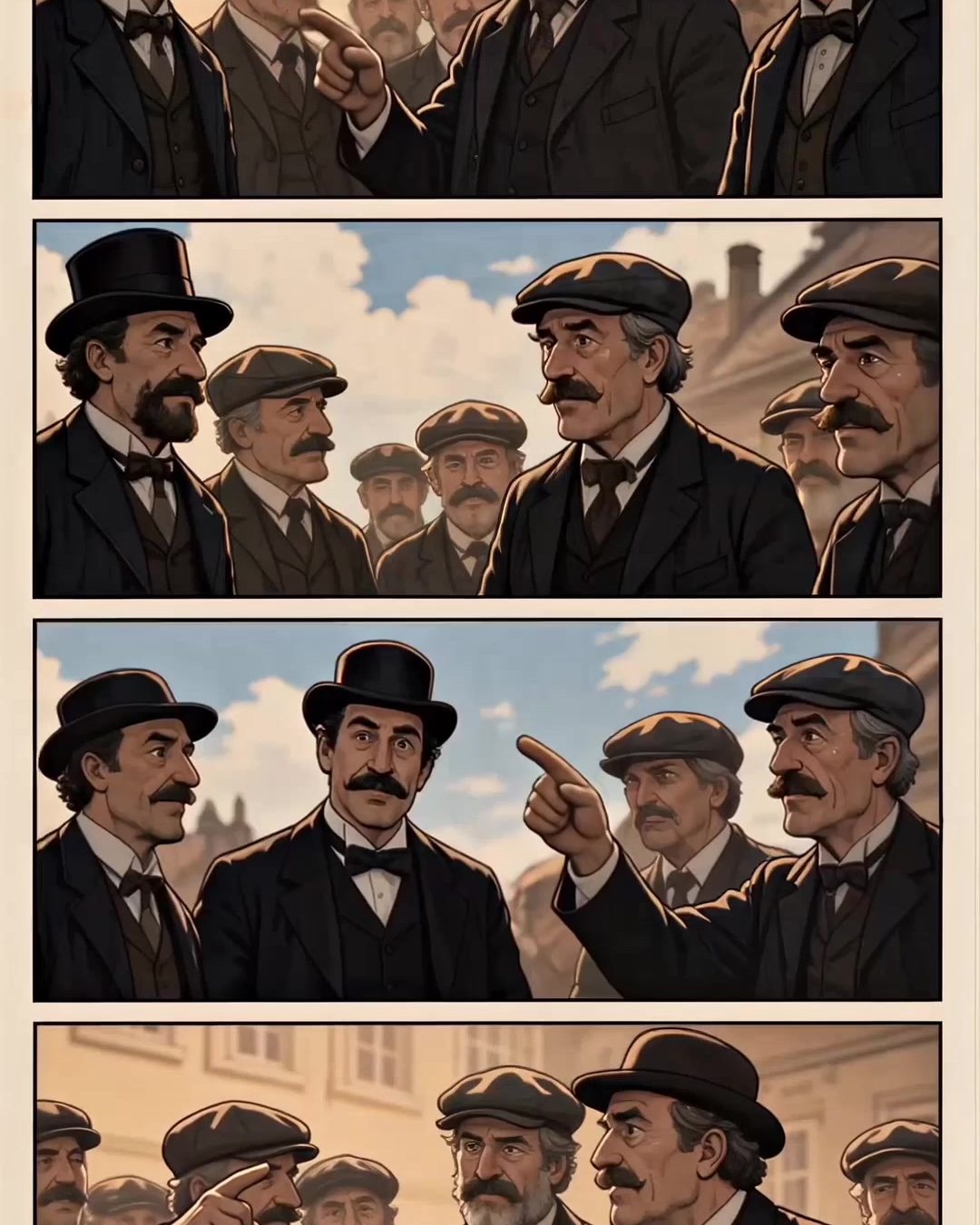
The next morning, all of Pforzheim was talking about the strange machine. Everyone who had helped along the way became a storyteller. Newspapers picked up the story: a hundred and six kilometers under its own power, with a woman at the wheel.
The journey gave Karl what years of courtyard testing never had: a list of real-world problems. On Bertha's advice, he added a lower gear for climbing hills. The brakes were improved as well.
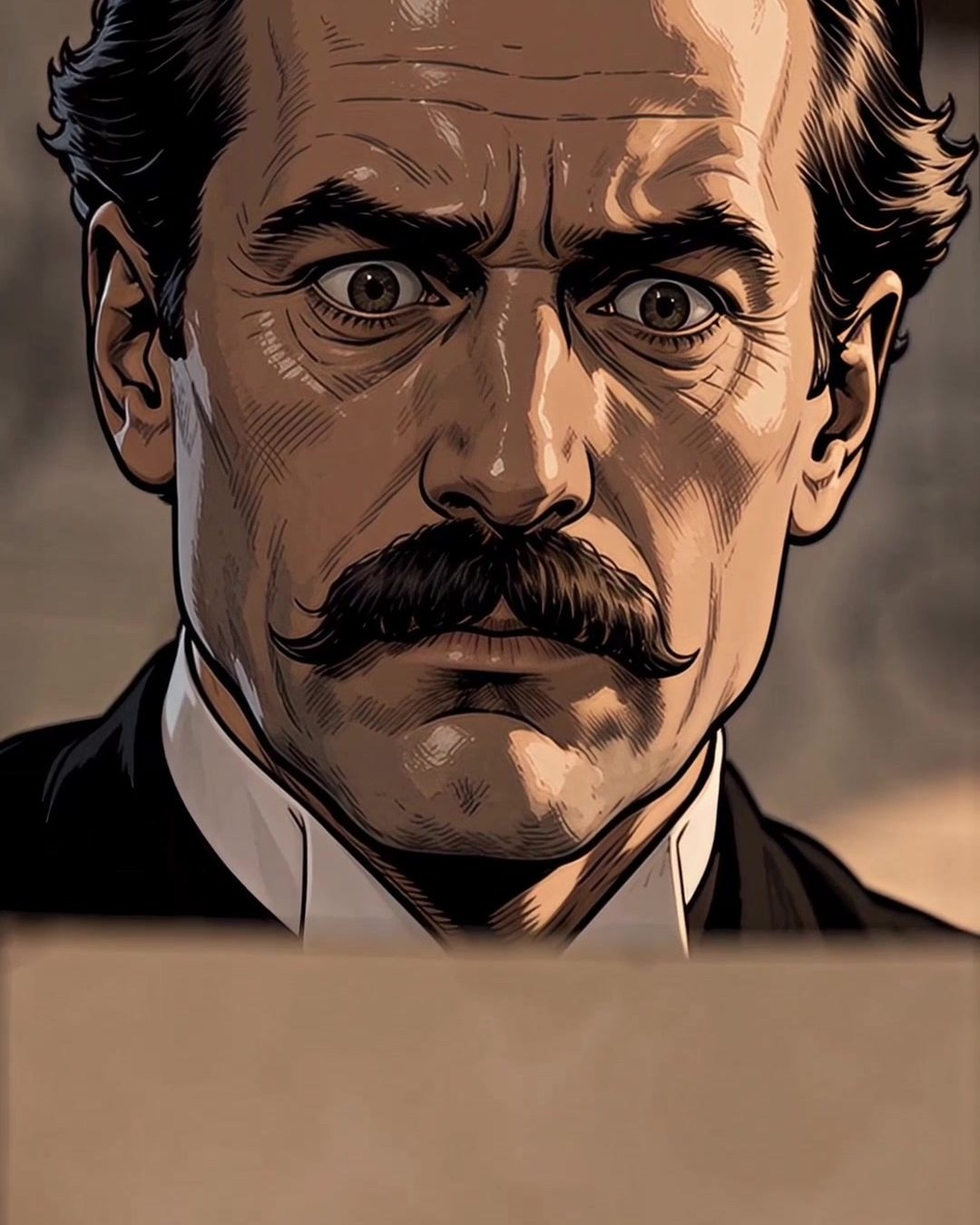
In the episode, we show Karl receiving his first real order a week later. It's a dramatized ending, but the essence is true: after the journey, the Benz automobile stopped being a fairground curiosity and started selling.
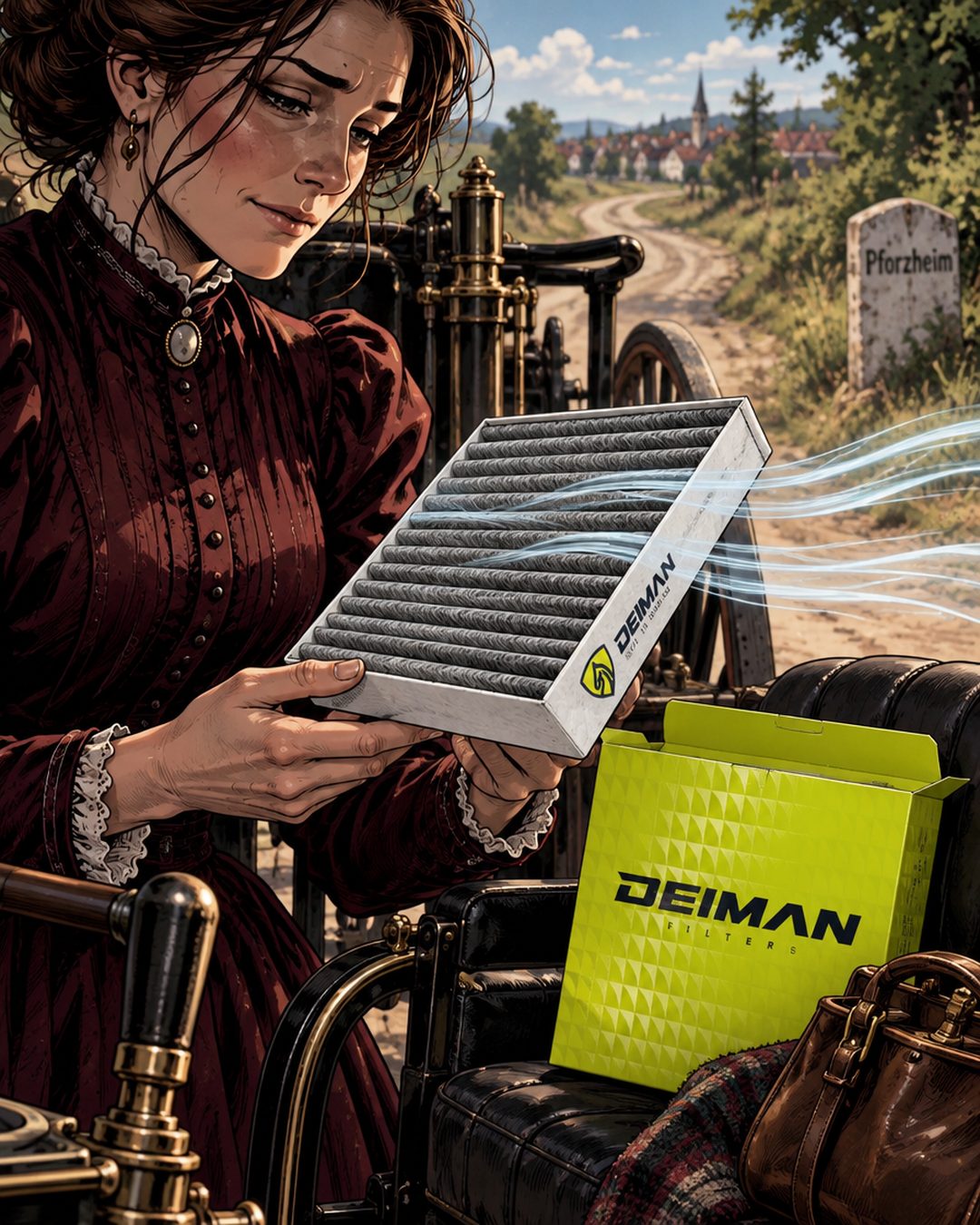
Bertha rode in an open carriage: dust from dirt roads, smoke from forges, the sharp smell of ligroin right by her face. There was no protection — only character.
A modern Mercedes-Benz has a closed cabin, but city air, exhaust fumes, and traffic-jam odors get in there too. That's where Carbon Series comes in — a DEIMAN activated carbon cabin air filter: it doesn't just trap dust, it also absorbs odors and gases so you can breathe easy inside the car.
Find a DEIMAN filter for your car →
Timeline
| Year | Event |
| 1849 | Bertha Ringer is born in Pforzheim |
| 1872 | Bertha marries Karl Benz |
| 1886 | Karl Benz receives the patent for the Patent-Motorwagen |
| 1888 | Bertha and her sons drive about 106 km from Mannheim to Pforzheim |
| 1903 | After a conflict with management, Karl Benz steps back from the day-to-day operations of Benz & Cie |
| 1926 | Benz & Cie merges with Daimler-Motoren-Gesellschaft to form Daimler-Benz |
| 1944 | Bertha Benz dies in Ladenburg at the age of 95 |
Bertha drove out of the courtyard with hungry children and her last coins, and returned having won fame for a machine no one had believed in. Karl Benz was a genius, but his invention sat in the courtyard for three years until she took the wheel. Karl lost control of his own company even before the Mercedes-Benz brand appeared: fifteen years after the journey, following disputes with the directors, he stepped away from running Benz & Cie, and later the firm was merged with its rival Daimler.
In the next episode of "Birth of Auto Legends" — another story where one bold step decided everything. What do you think: would the automobile have conquered the world without Bertha anyway, or did this journey truly change everything?
Frequently Asked Questions
When did Bertha Benz make her first automobile journey?
Bertha Benz set off on her journey in early August 1888. The date most often cited is August 5. She left Mannheim in the morning with her sons Eugen and Richard and reached Pforzheim the same day, after dark. A few days later the family returned by a different route. This is considered the first long-distance automobile journey in history.
How many kilometers did Bertha Benz drive?
The route from Mannheim to Pforzheim was about 106 kilometers. Some sources give 104 km, depending on how the route through Heidelberg, Wiesloch, and Bruchsal is measured. Including the return trip, the Benz family covered more than 190 kilometers. For a car that had previously driven mostly short test distances, it was a real breakthrough.
Why did Bertha Benz leave without her husband's knowledge?
Karl Benz had spent several years refining his Patent-Motorwagen but didn't dare test it on a long road, and there were no buyers. Bertha decided to show the world that the car really worked. Officially, she was going to visit her mother in Pforzheim and left her husband a note. According to the story, Karl learned about the journey only after they had already set off.
Where was the world's first filling station?
The town pharmacy in Wiesloch, near Heidelberg, is considered the world's first filling station. It was there, during her 1888 journey, that Bertha Benz bought ligroin — a light petroleum solvent sold as a stain remover. There were no other places to buy automobile fuel at the time. Today the pharmacy is a tourist attraction.
How did Bertha Benz repair the car on the road?
She cleared a clogged fuel line with a hatpin and, according to legend, insulated an ignition wire with her garter. A blacksmith repaired the broken chain, and a cobbler covered the worn wooden brakes with leather. The engine was water-cooled, and the water had to be topped up along the way. On steep climbs, her sons pushed the car.
How old were Bertha Benz's sons during the journey?
The elder son, Eugen, was 15, and the younger, Richard, was 13. The boys helped their mother quietly push the car out of the courtyard, pushed it up hills, and solved technical problems alongside her. Both later devoted their lives to automobiles: together with their father, they founded the firm C. Benz Söhne in Ladenburg.
What car did Bertha Benz drive?
Bertha drove the Benz Patent-Motorwagen — Karl Benz's three-wheeled vehicle with a rear-mounted single-cylinder four-stroke engine. Karl received the patent for this automobile in 1886. According to the widely accepted version, the Model III was used for the journey. The top speed of these cars was about 16 km/h.
What did Bertha Benz's drive change?
The journey proved that the automobile was fit for real roads and long distances. Newspapers wrote about it, and the Benz car stopped being a fairground curiosity. The trip revealed weak points in the design: on Bertha's advice, Karl added a lower gear for climbing hills and improved the brakes. Benz automobiles subsequently began to sell.
Can you drive Bertha Benz's route today?
Yes. The Mannheim–Pforzheim route and back is marked as the Bertha Benz Memorial Route, with signposts along the roads. Tourists and participants in vintage car rallies drive it. Along the route are the Wiesloch pharmacy, considered the world's first filling station, as well as places connected with the Benz family.
What does Bertha Benz have to do with Mercedes-Benz?
Bertha was the wife of Karl Benz, founder of Benz & Cie, and financed his workshop with her dowry. Later, Benz & Cie merged with Daimler-Motoren-Gesellschaft, which produced Mercedes automobiles, and that's how Daimler-Benz and the Mercedes-Benz brand came into being. Bertha's journey is considered one of the key events in the brand's early history.