
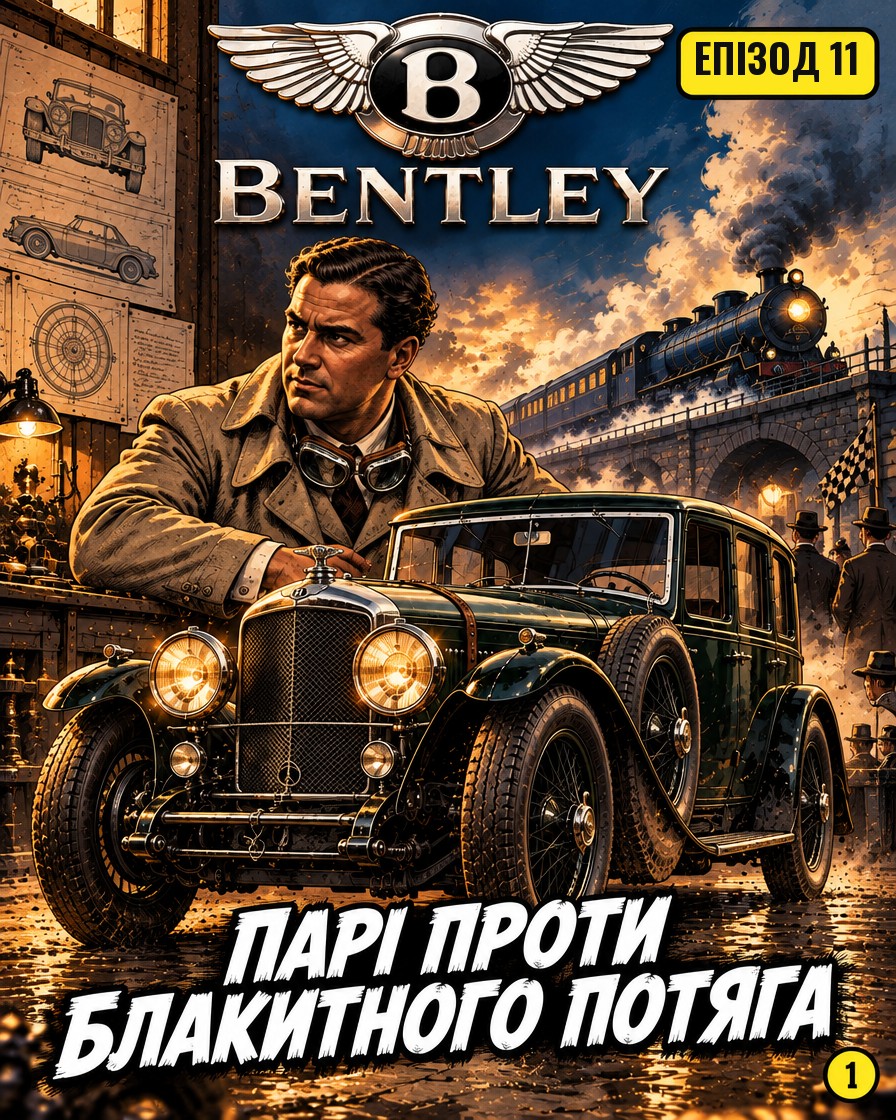
The Bentley vs. Blue Train race was a bet won in March 1930 by Woolf Barnato, chairman of Bentley Motors. In a Bentley Speed Six, he drove overnight from Cannes to London faster than the luxury express Le Train Bleu reached Calais. Barnato pulled up at his club on St James's Street four minutes before the train arrived. The stake was one hundred pounds, but the victory cost far more.

In this story:
- What the Bentley vs. Blue Train race was
- Who Woolf Barnato was
- How Woolf Barnato became the owner of Bentley
- How Barnato beat the Blue Train: the bet in Cannes
- Which Bentley beat the Blue Train
- Why the victory over the train became the beginning of the end for Bentley
- Where the Bentley from the race is now
What the Bentley vs. Blue Train race was
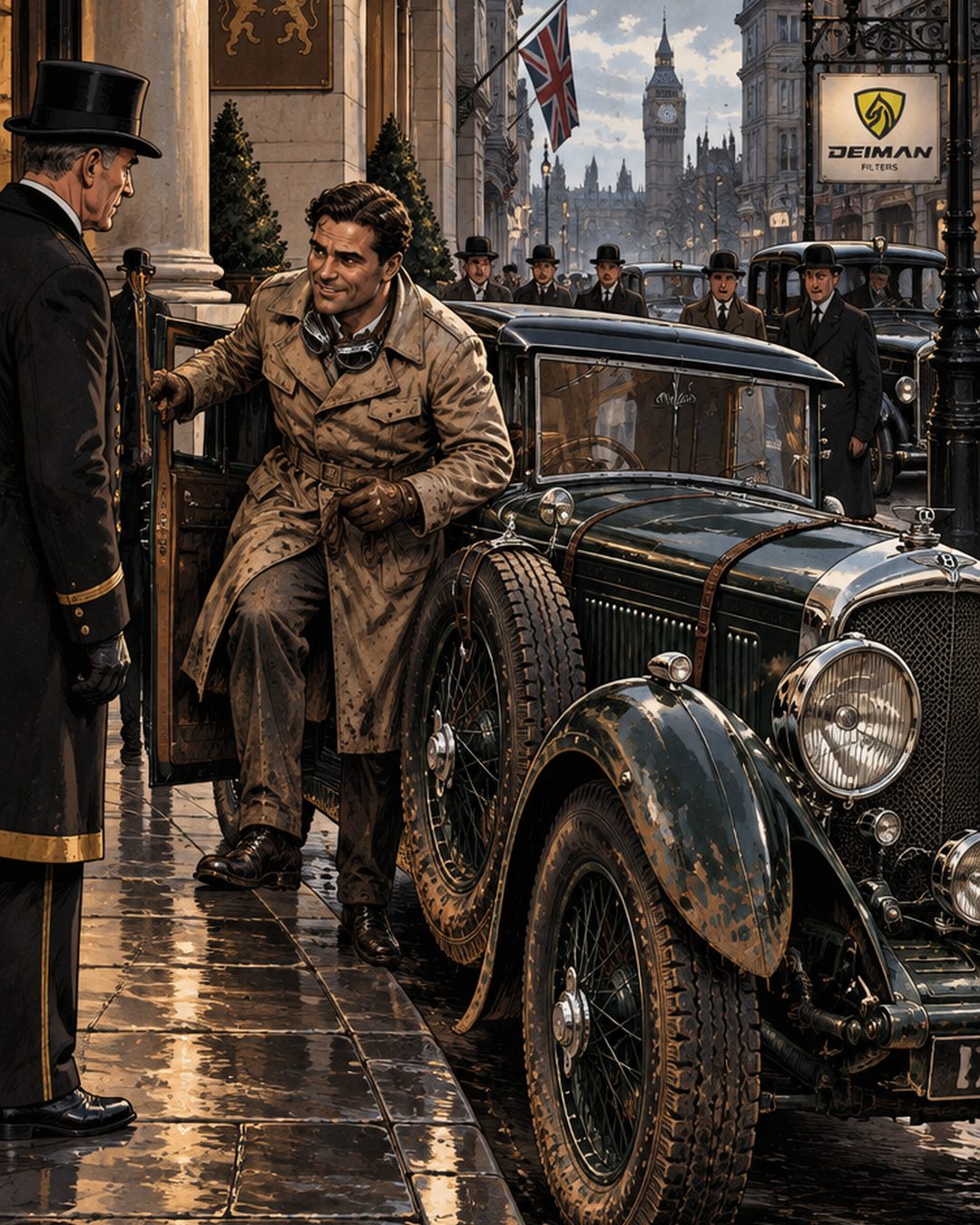
…and the train hasn't even reached the sea yet. London, a March morning. A huge dark Bentley pulls up outside a club on St James's Street, splattered with the mud of all of France.
A broad-shouldered man climbs out from behind the wheel, having barely slept for a whole day. Unshaven, in a leather coat, he looks at his watch and smiles. He has won.
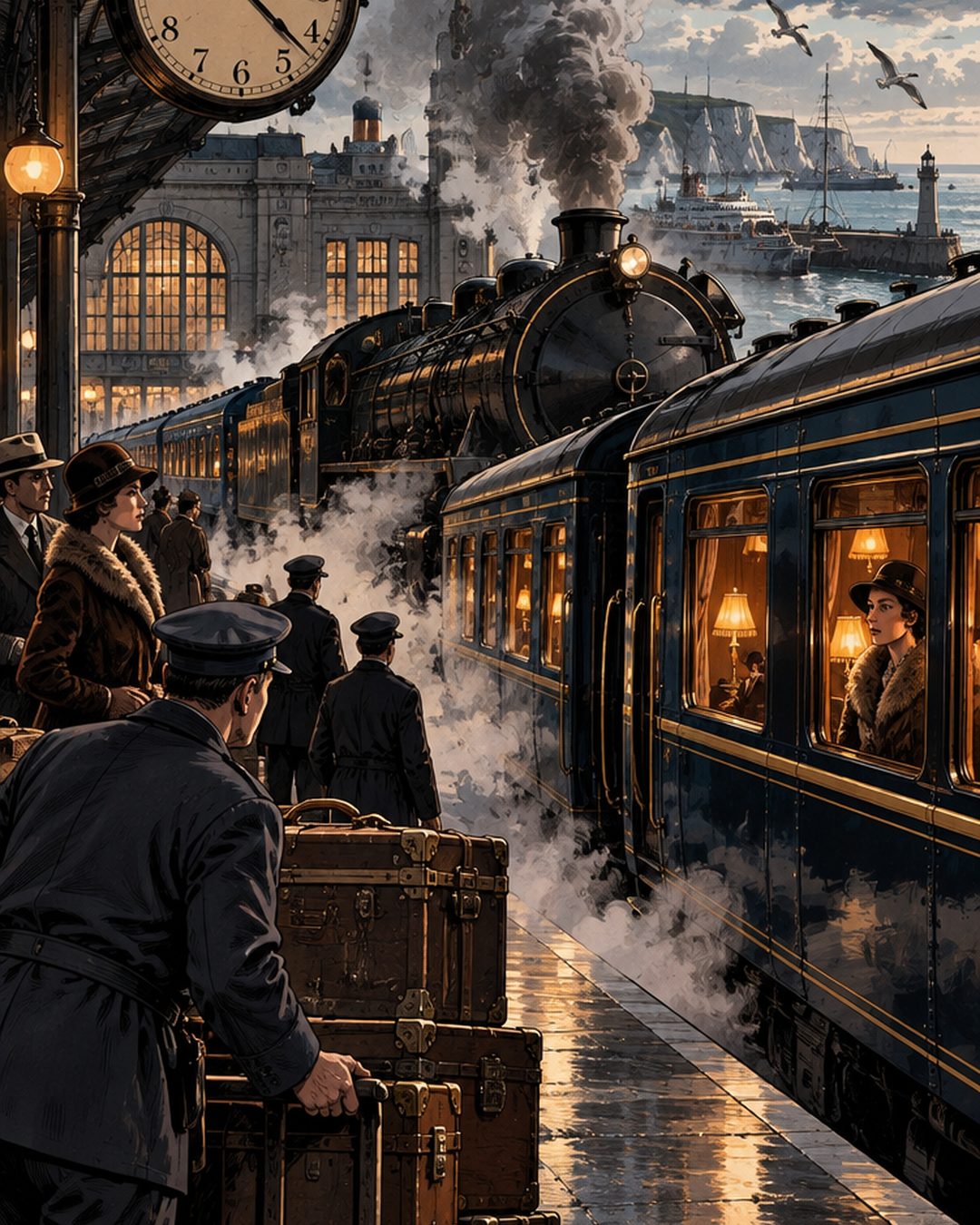
Meanwhile, on the other side of the Channel, the blue-and-gold carriages of the Blue Train are only just pulling up to the platform in Calais. Passengers in furs gather their suitcases, with no idea that they have lost a race they never even knew they were in.
We told this story in 3 minutes. Watch how a car outran the most luxurious train in Europe.
Who Woolf Barnato was
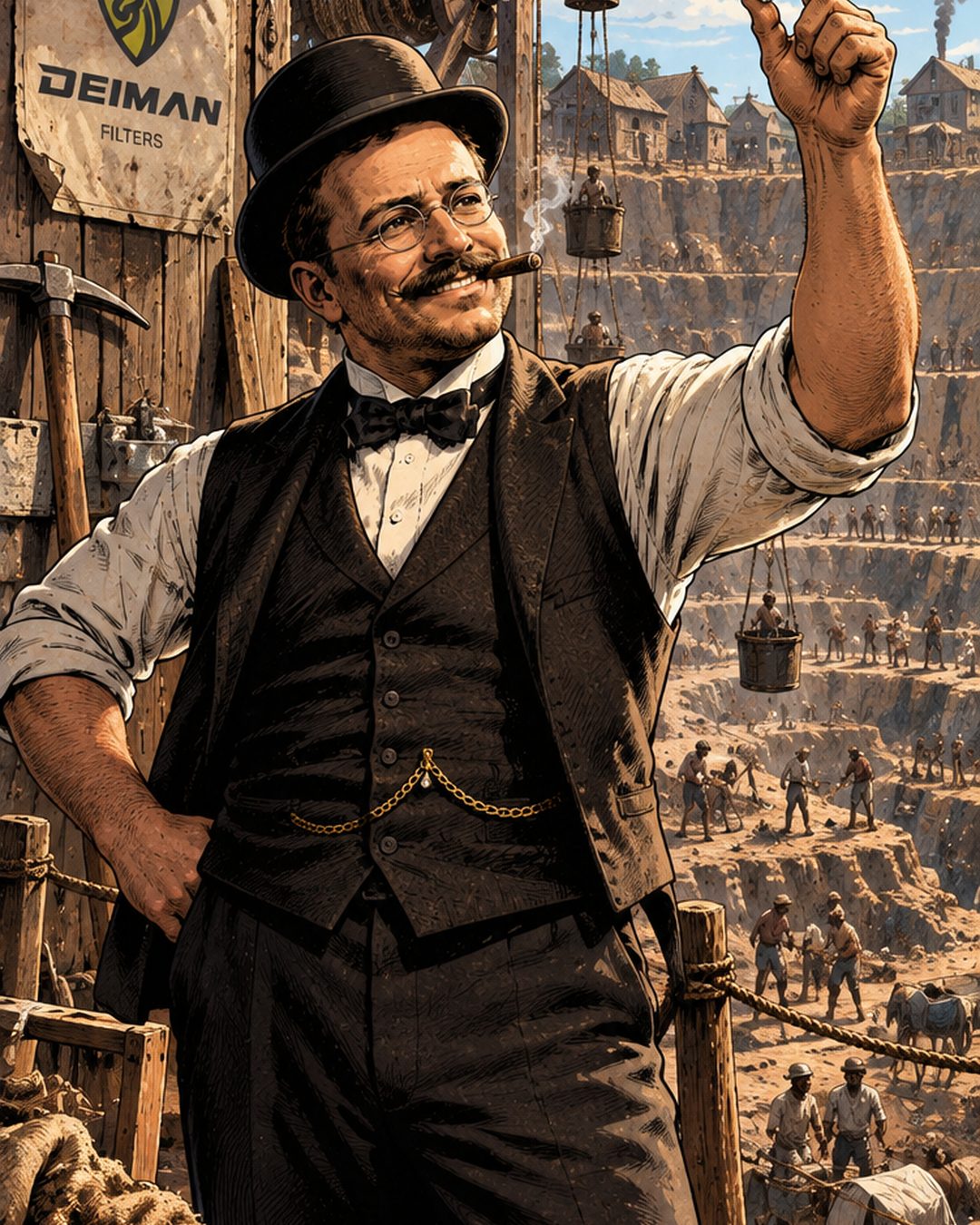
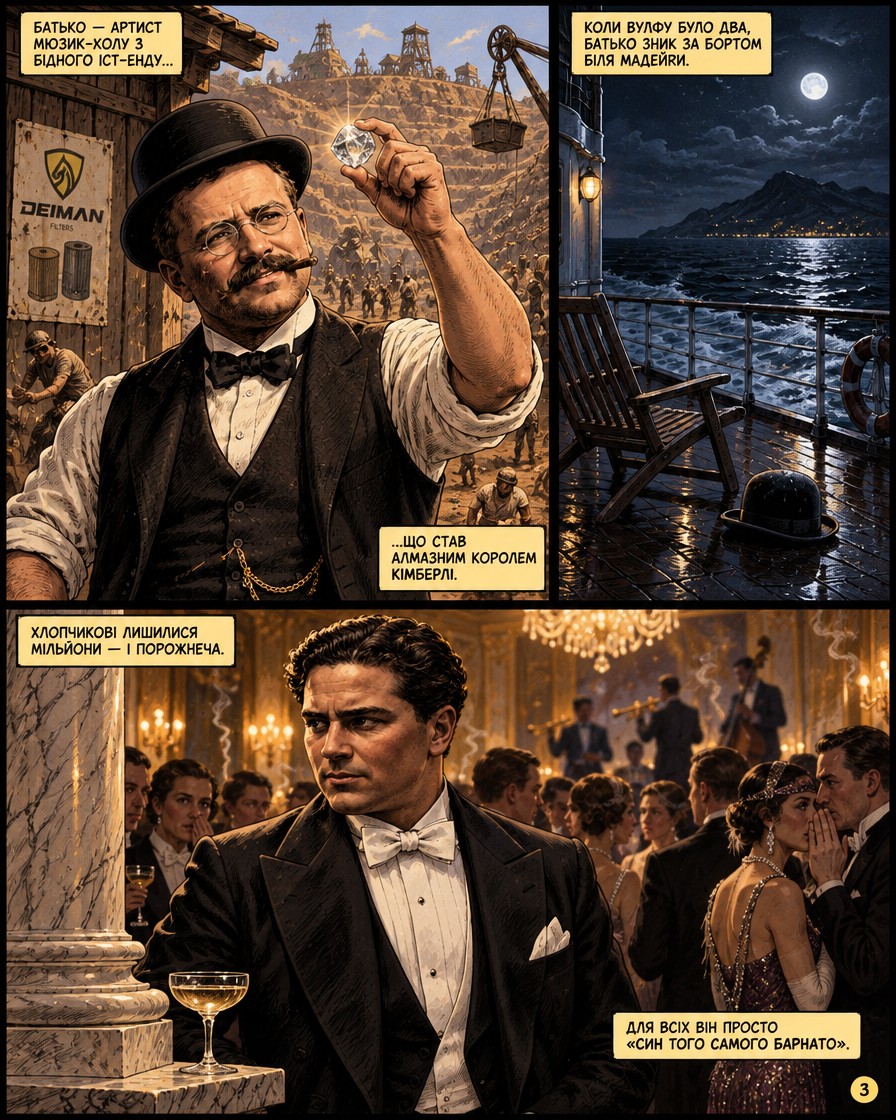
To understand why a millionaire would race along the roads of France at night, we have to go back several decades. His father, Barney Barnato, began as a music hall performer in London's impoverished East End.
Then Barney went to South Africa and became the diamond king of Kimberley. He was one of the few people Cecil Rhodes had to reckon with when dividing up the richest mines in the world.
When Woolf was two years old, his father vanished overboard from a steamship off Madeira. The boy was left with millions and an emptiness that money could not fill.
In London's drawing rooms he would forever remain simply "that Barnato's son". As if you were nobody until you proved you were somebody. Woolf looked for a place where his name would carry weight on its own, and he found it behind the wheel.
How Woolf Barnato became the owner of Bentley
Four years before the bet with the train, the small firm of engineer Walter Owen Bentley, whom everyone simply called W.O., was drowning in debt. Cars from the Cricklewood workshop were winning races, but the money ran out faster than new orders came in.
Barnato invested a fortune in the company and became its chairman. From then on the money was his, while the drawings, as before, remained with W.O.

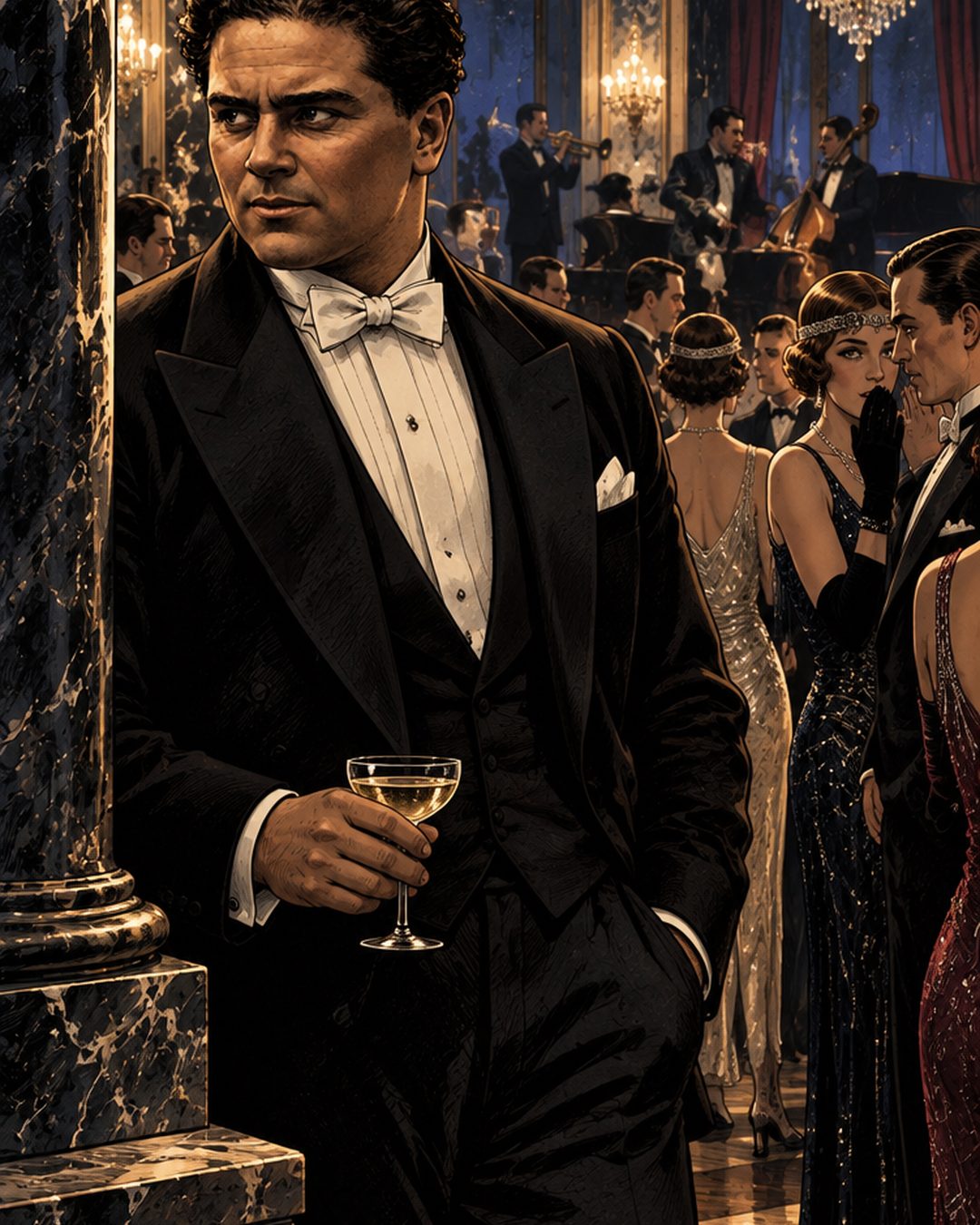
Around him gathered a "gang" of wealthy daredevils whom the newspapers dubbed the Bentley Boys. They were pilots, racing drivers and gamblers: Sir Henry "Tim" Birkin, the pilot Glen Kidston, the doctor Dudley Benjafield. They lived as fast as they drove.
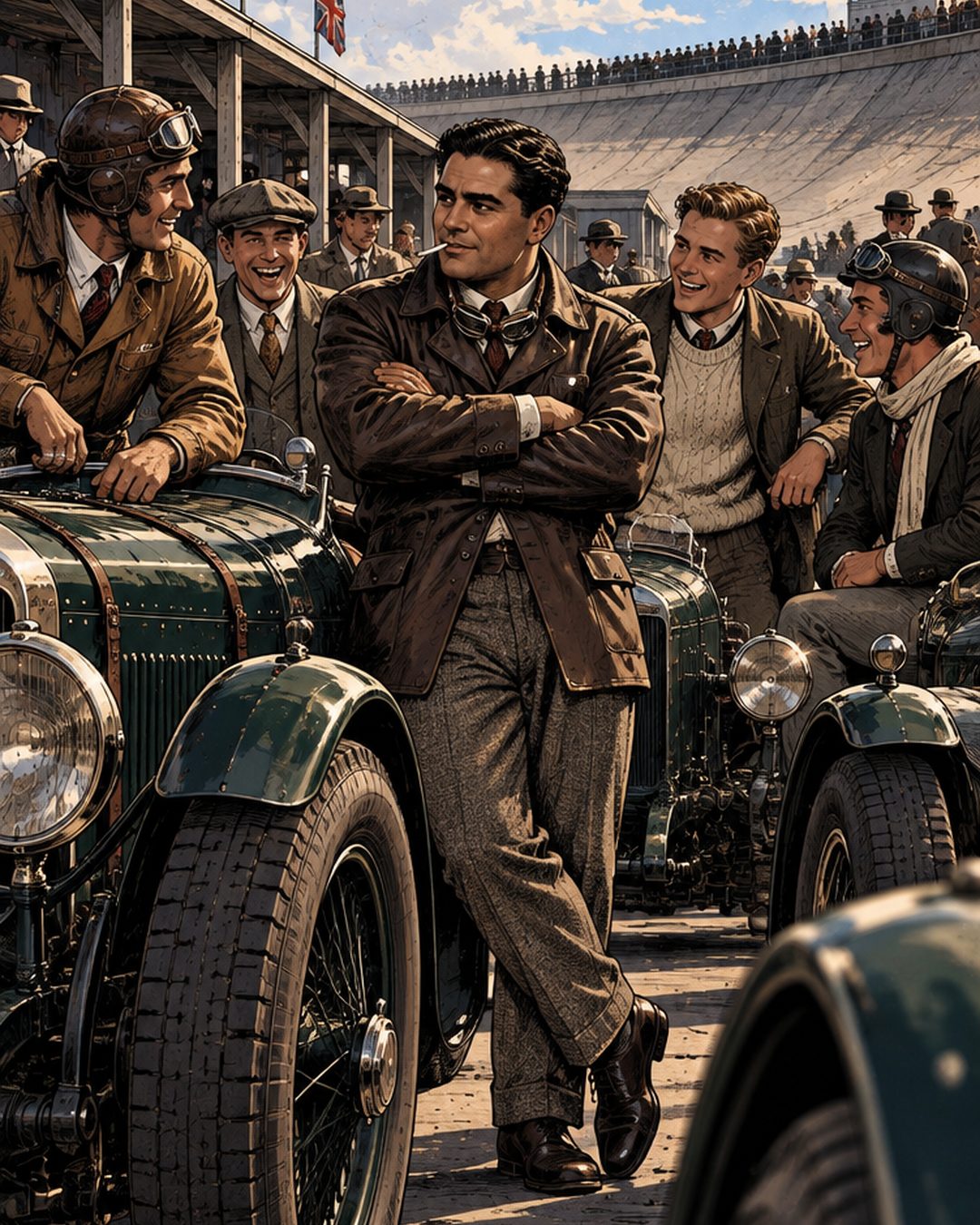
Barnato didn't just pay for racing, he got behind the wheel himself. He won the 24 Hours of Le Mans twice in a row. And in the clubs they whispered that the rich boy had bought himself a toy. He drove faster and faster, as if he had something to prove.
How Barnato beat the Blue Train: the bet in Cannes
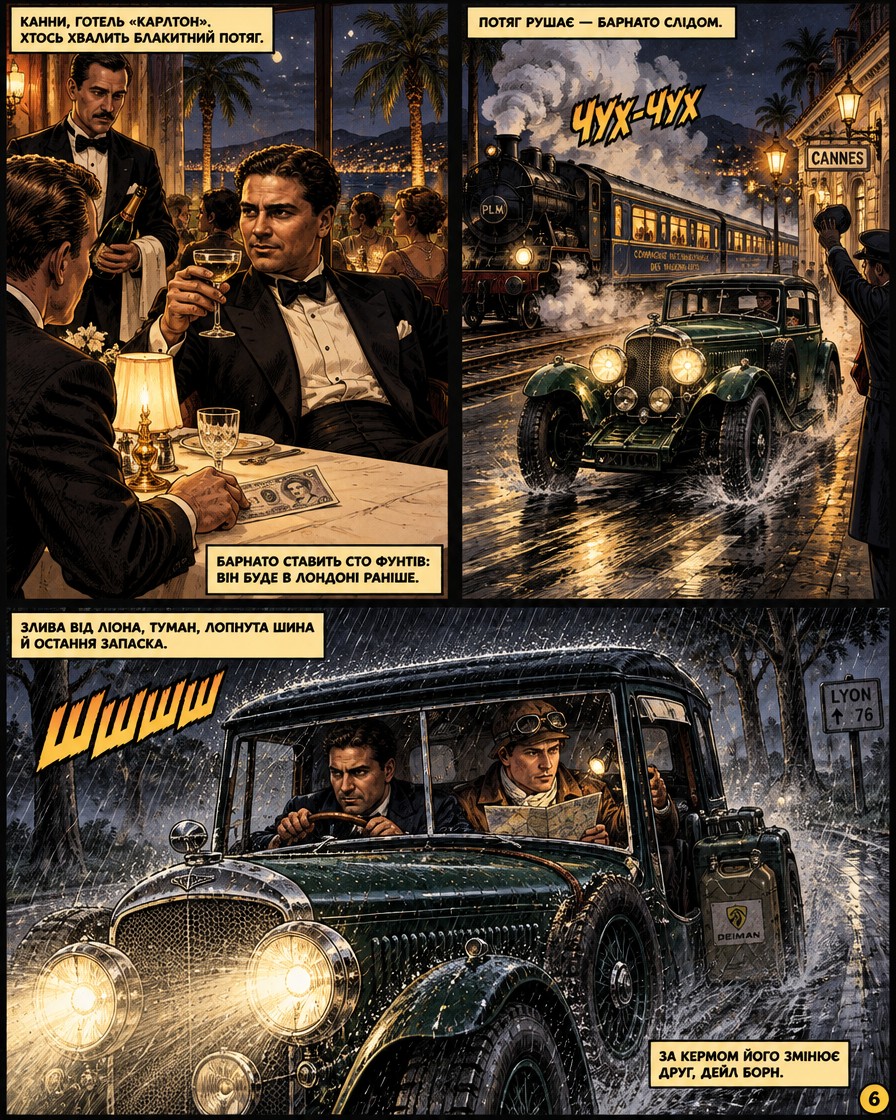
March, the French Riviera, dinner in the restaurant of the Carlton Hotel in Cannes. Someone at the table is praising the Blue Train. It is a night express that carried English aristocracy between the Channel and the Riviera in dark blue sleeping cars.
According to legend, Barnato just smiled and proposed a bet. The terms sounded like a joke: he would be at his club in London before the train arrived in Calais. The stake was one hundred pounds.

Consider the arithmetic. Barnato had to drive across all of France from south to north, cross the Channel and reach the centre of London. In that same time, the train only had to cover the French part of the route.
The train pulled out, and Barnato set off after it. Beside him sat his friend Dale Bourn, who spelled him at the wheel. From Lyon the rain began pouring, and then fog rolled in. The headlights plucked plane tree trunks out of the darkness, and the map was read by torchlight.

Somewhere in the middle of the night a tyre burst. They fitted the spare, and it was the last one. From then on, every kilometre was a stake not of one hundred pounds but of the whole bet.
In the morning came the Channel crossing, then the road to London. Barnato switched off the engine outside the club on St James's Street four minutes before the Blue Train arrived in Calais.
Which Bentley beat the Blue Train
Barnato drove a Bentley Speed Six, the most powerful model the marque had at the time. Under the long bonnet, strapped down with leather belts, sat a six-and-a-half-litre inline-six. It was in the Speed Six that the Bentley Boys won their last victories at Le Mans.
The paradox is that this was not a racing roadster. Barnato was speeding along in a luxurious closed saloon with coachwork from the H. J. Mulliner atelier. Cars like that usually take gentlemen to lunch, not race an express train. Ettore Bugatti, according to legend, called Bentleys "the fastest lorries in the world". That night, this "lorry" outran a train.
Car specifications
| Parameter | Value |
| Model | Bentley Speed Six |
| Years of production | 1928–1930 |
| Engine | inline 6-cylinder, 6,597 cc |
| Power | about 180 hp (road version) |
| Produced | 182 chassis |
| Body of the race car | H. J. Mulliner closed saloon |
Why the victory over the train became the beginning of the end for Bentley
It seemed like the peak. But racing on French roads was illegal. The French authorities issued a fine, and it turned out to be larger than the entire winnings.
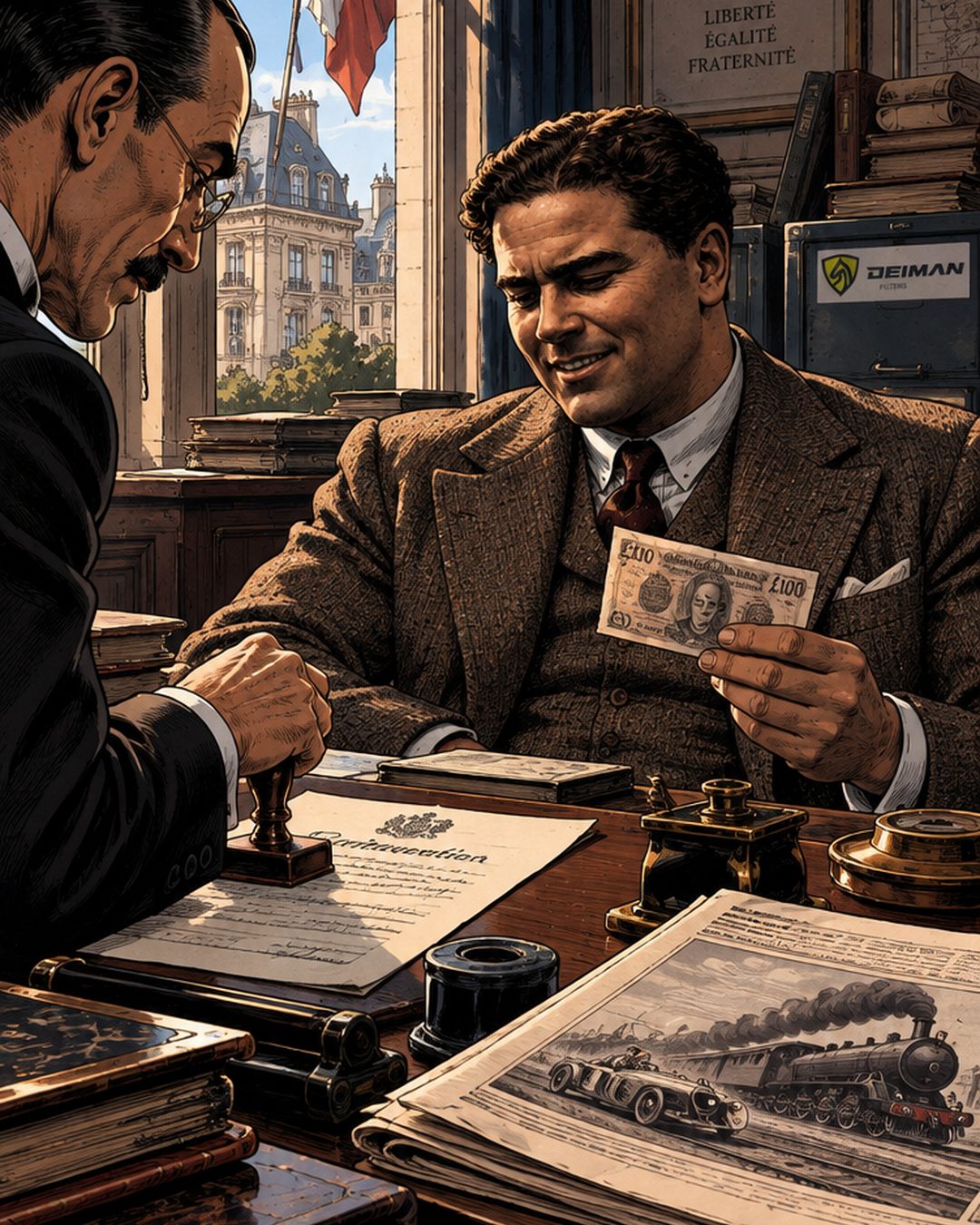
Meanwhile, the Great Depression was already devouring the very people who bought such cars: bankers, stockbrokers, heirs. Luxury Bentleys stopped selling. By the following summer, Barnato could no longer carry the company's debts.
Bentley Motors went under the hammer. W.O. hoped to the last that Napier would buy the firm, but the buyer, through a front company, turned out to be the most dangerous rival, Rolls-Royce.
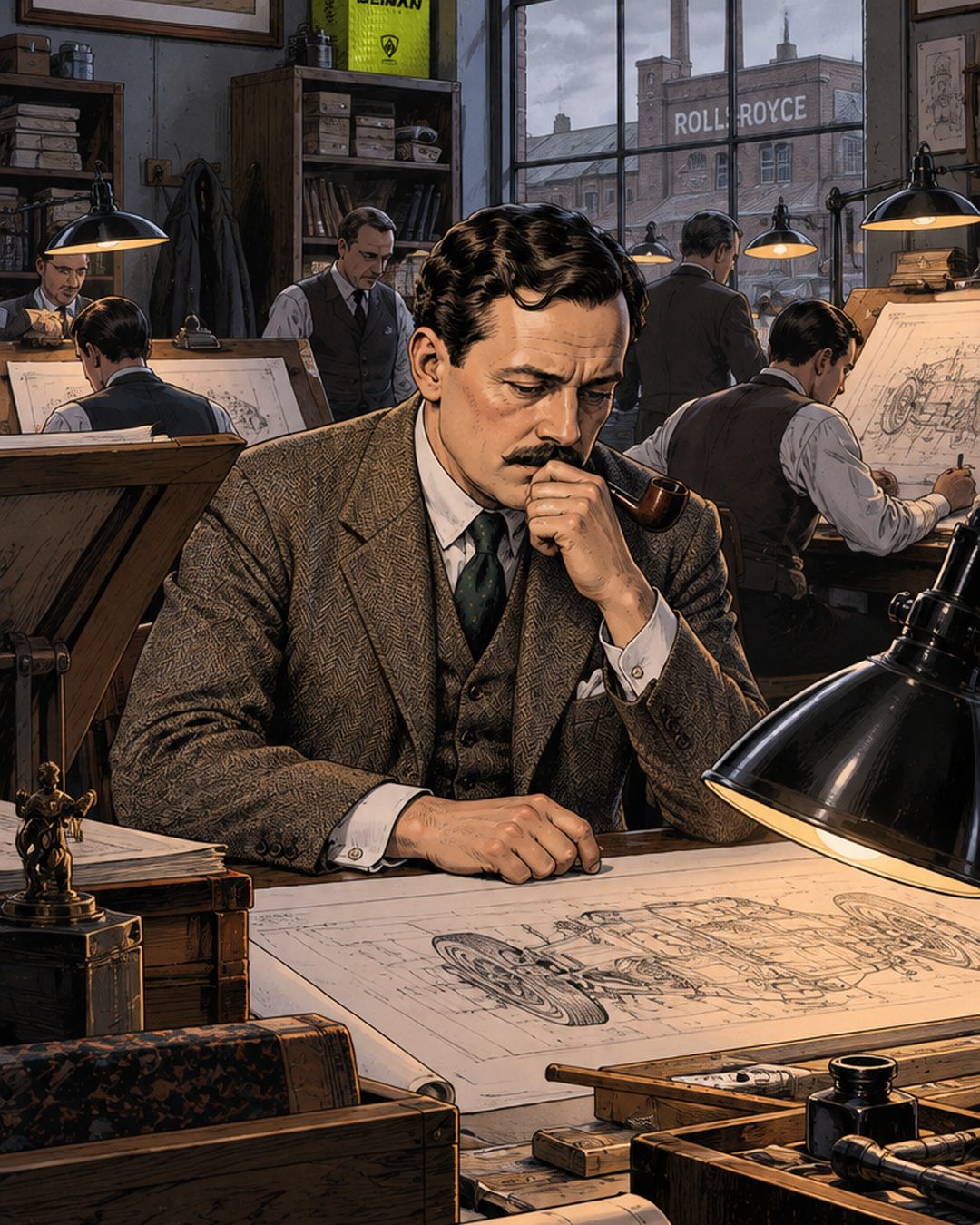
And W.O. himself became a hired engineer at the firm that had taken his name. He served out a contract at Rolls-Royce for several years and only then moved to Lagonda. The founder lost his marque, and Barnato lost the main undertaking of his life.

That night, the Speed Six cabin breathed everything the road carried: the dampness of the downpour near Lyon, fog, exhaust and the dust of French highways. A modern Bentley is sealed and quiet, but the air enters the cabin from the same street, together with the smells of traffic jams and wet asphalt.
Carbon Series cabin filters from DEIMAN have a layer of activated carbon that traps not only dust but also odours and gases. They are available for the Bentley Bentayga and Mulsanne, as well as for related Audi models.
Carbon Series for Audi, Bentley: DCF2087 · DCF2088 · DCF2063 · DCF2087
Find the right DEIMAN filter for your car →
Where the Bentley from the race is now
The car that outran the Blue Train has been restored and today is kept in a private collection in America. Barnato's descendants have no stake in the company: the family left the game along with the bankruptcy, which came a little more than a year after that night.

Timeline
| Year | Event |
| 1895 | Woolf Barnato is born |
| 1897 | Barney Barnato dies, lost overboard from a steamship off Madeira |
| 1919 | W.O. Bentley founds Bentley Motors |
| 1926 | Woolf Barnato saves the firm and becomes its chairman |
| 1928–1929 | Barnato's two victories at the 24 Hours of Le Mans |
| March 1930 | The bet with the Blue Train: Cannes to London |
| June 1930 | Barnato's third victory at Le Mans |
| 1931 | Rolls-Royce buys Bentley Motors |

That March night, while Europe slept in railway carriages, Woolf Barnato was already standing in London. The son of the diamond king had finally done something that belonged to him alone. But the money that had once saved Bentley could not protect the marque from the Depression, and the victory over the train remained the last loud triumph of the old company from Cricklewood.
In the next episode of "Birth of Auto Legends," another story awaits you about people who staked everything. And what would you have bet on: the luxury night express or one stubborn man behind the wheel?
The whole story as a comic
9 pages · Swipe sideways →
 1 / 9
 2 / 9
 3 / 9
 4 / 9
 5 / 9
 6 / 9
 7 / 9
 8 / 9
 9 / 9
Frequently asked questions
Who won the Bentley vs. Blue Train race?
The race was won by Woolf Barnato, chairman of Bentley Motors and a three-time Le Mans winner. Together with his friend Dale Bourn, who spelled him at the wheel, he drove a Bentley Speed Six from Cannes to his club on St James's Street in London four minutes before the Blue Train arrived in Calais. The stake was one hundred pounds.
When did the Bentley vs. Blue Train race take place?
The race took place in March 1930. The bet was made over dinner at the Carlton Hotel in Cannes, and Barnato set off after the train that same evening. He drove all night through rain and fog, and in the morning crossed the Channel. A few months later, in June 1930, Barnato won the 24 Hours of Le Mans for the third time.
Which car did Barnato use to beat the Blue Train?
Barnato drove a Bentley Speed Six, the most powerful model the marque had in the late 1920s. It had an inline six-cylinder engine of 6.6 litres and about 180 hp in the road version. During the race, the car had a closed saloon body from the H. J. Mulliner atelier, so it was a luxury limousine rather than a sports roadster.
What is the Blue Train (Le Train Bleu)?
Le Train Bleu, or the Blue Train, was a French luxury night express that ran between Calais and the Côte d'Azur. It got its name from its dark blue sleeping cars with gold trim. It carried British aristocrats, stars and millionaires travelling from the Channel to the Riviera and back. In the 1920s and 1930s the train was a symbol of luxury travel.
Who were the Bentley Boys?
The Bentley Boys were a group of wealthy British racing drivers of the late 1920s who raced Bentley cars and lived in grand style. They included Woolf Barnato, Sir Henry "Tim" Birkin, the pilot Glen Kidston and the doctor Dudley Benjafield. They were the ones who brought Bentley a series of victories at the 24 Hours of Le Mans.
How many times did Woolf Barnato win Le Mans?
Woolf Barnato won the 24 Hours of Le Mans three times in a row: in 1928, 1929 and 1930, each time with a different co-driver. He started in this race only three times, so his record is one hundred percent wins. He took two victories before the bet with the Blue Train and the third a few months after it.
Who was Woolf Barnato?
Woolf Barnato (1895–1948) was a British millionaire, racing driver and chairman of Bentley Motors. He was the son of Barney Barnato, a former music hall performer from the East End who made his fortune on the diamonds of Kimberley and died when Woolf was two years old. In 1926 Woolf invested his fortune in the bankrupt Bentley, won Le Mans three times and became famous for his bet with the Blue Train.
Why did Rolls-Royce buy Bentley?
In 1931, because of the Great Depression, Bentley Motors could not pay its debts, and Woolf Barnato could no longer finance it. The company was put up for sale. W.O. Bentley was counting on a deal with Napier, but Rolls-Royce, through a front company, outbid them and bought its main competitor. After that, W.O. himself worked at Rolls-Royce as a hired engineer for several years.
What is the Blue Train Bentley by Gurney Nutting?
This is the name often given to the Bentley Speed Six with a low coupé body from the British atelier Gurney Nutting, which belonged to Woolf Barnato. He received it after the race, while the March 1930 run itself, according to the most widely accepted version, Barnato made in the H. J. Mulliner saloon. Because of this, the nickname Blue Train Bentley still causes disputes among historians and collectors.
Who owns Bentley now?
Since 1998, Bentley has been owned by the German Volkswagen Group, and the cars are assembled at the factory in Crewe, England. The founder, W.O. Bentley, lost control of the company much earlier, in 1931, when Rolls-Royce bought it. Woolf Barnato's descendants have no stake in the modern Bentley.