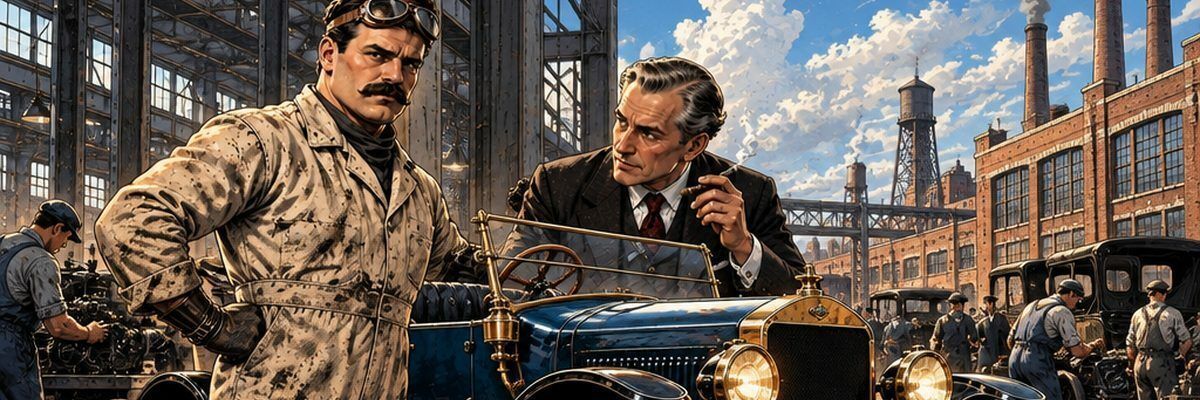
Chevrolet was founded by the Swiss racing driver Louis Chevrolet and the businessman William Durant in November 1911 in Detroit. Louis gave the brand his surname and his engineering talent, and Durant brought the money and the ambition. Two years later the partners fell out, and Louis sold his share, and his name along with it. He never got rich from the brand that still bears his surname.
In this story:
- Who founded Chevrolet: the man who sold his own surname
- Where Louis Chevrolet came from and how he got to America
- Who William Durant was and why he needed the Chevrolet name
- When the first Chevrolet car appeared
- Why Louis Chevrolet sold his company
- How Chevrolet helped Durant win back General Motors
- What happened to Louis Chevrolet after he sold the company
Who founded Chevrolet: the man who sold his own surname
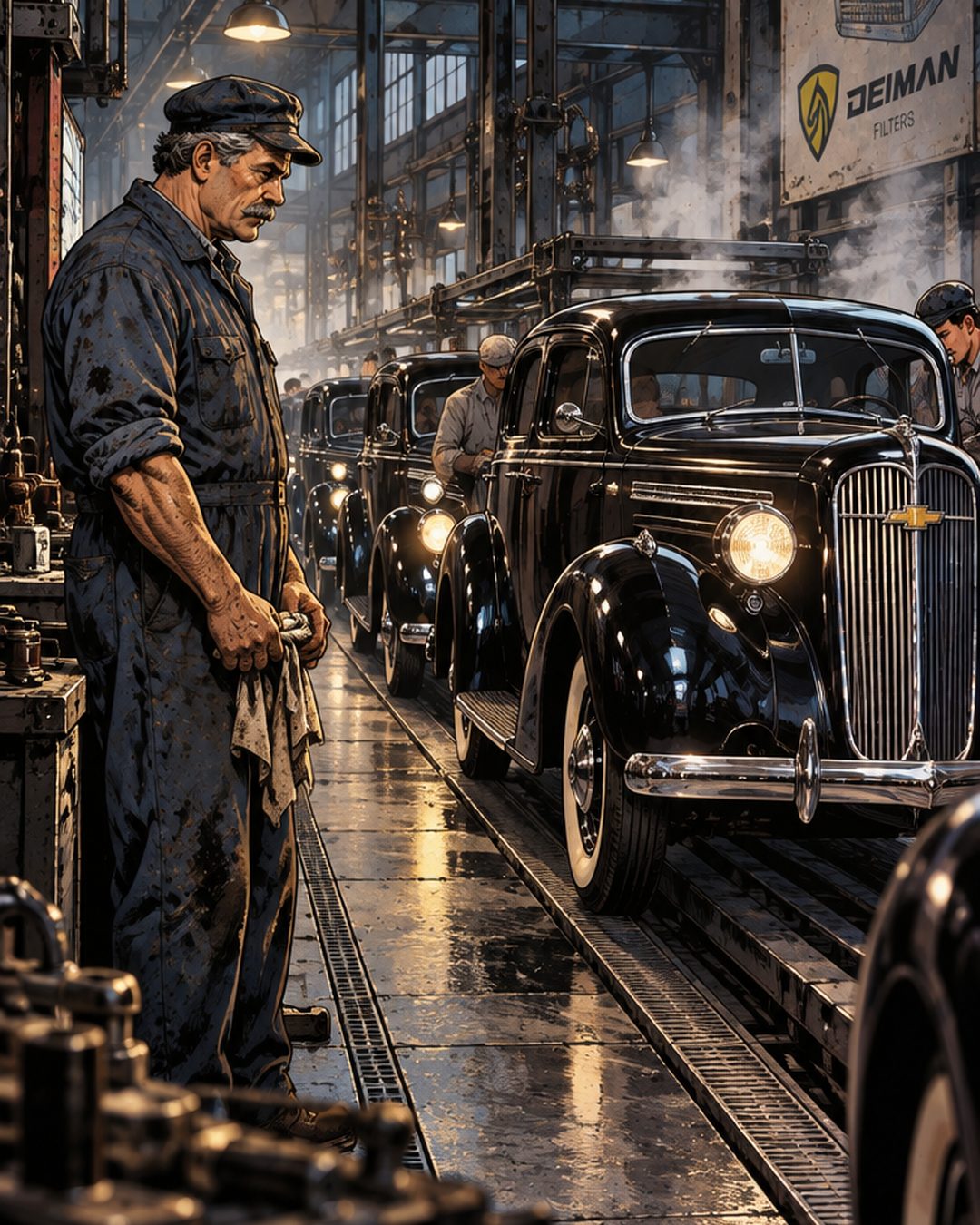
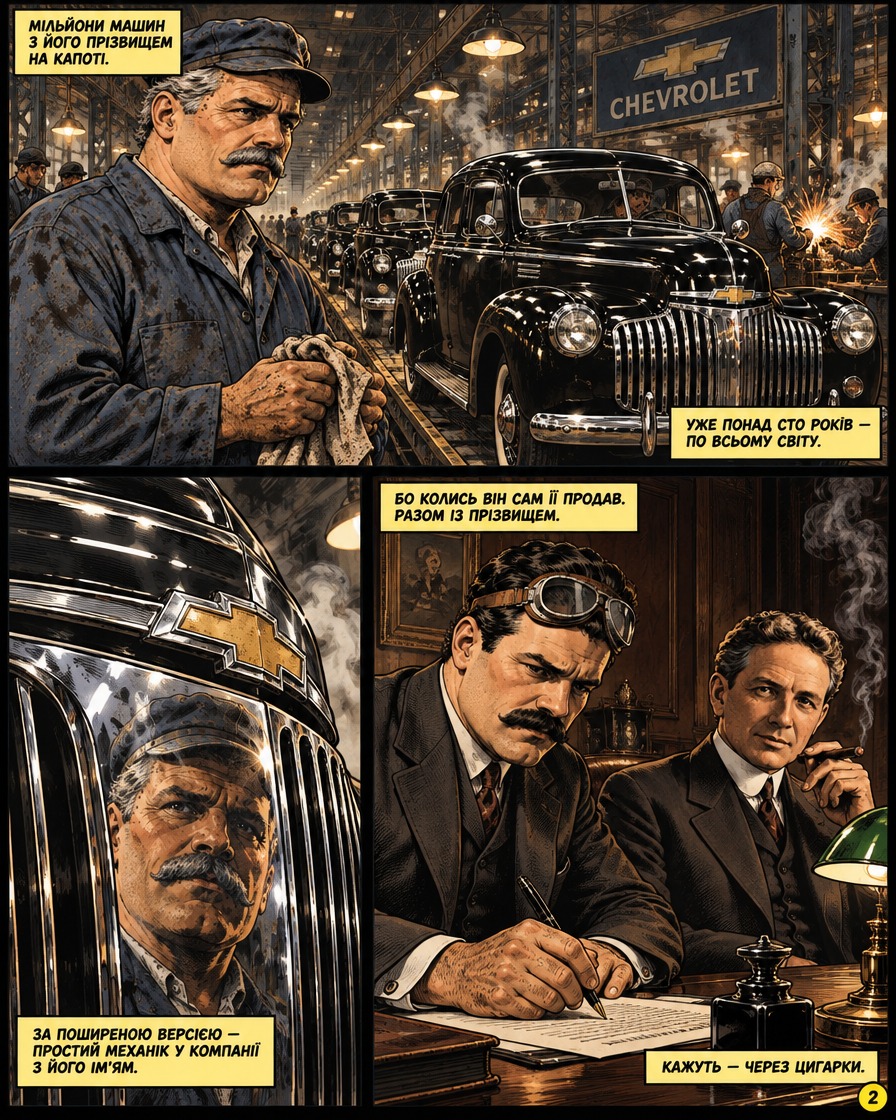
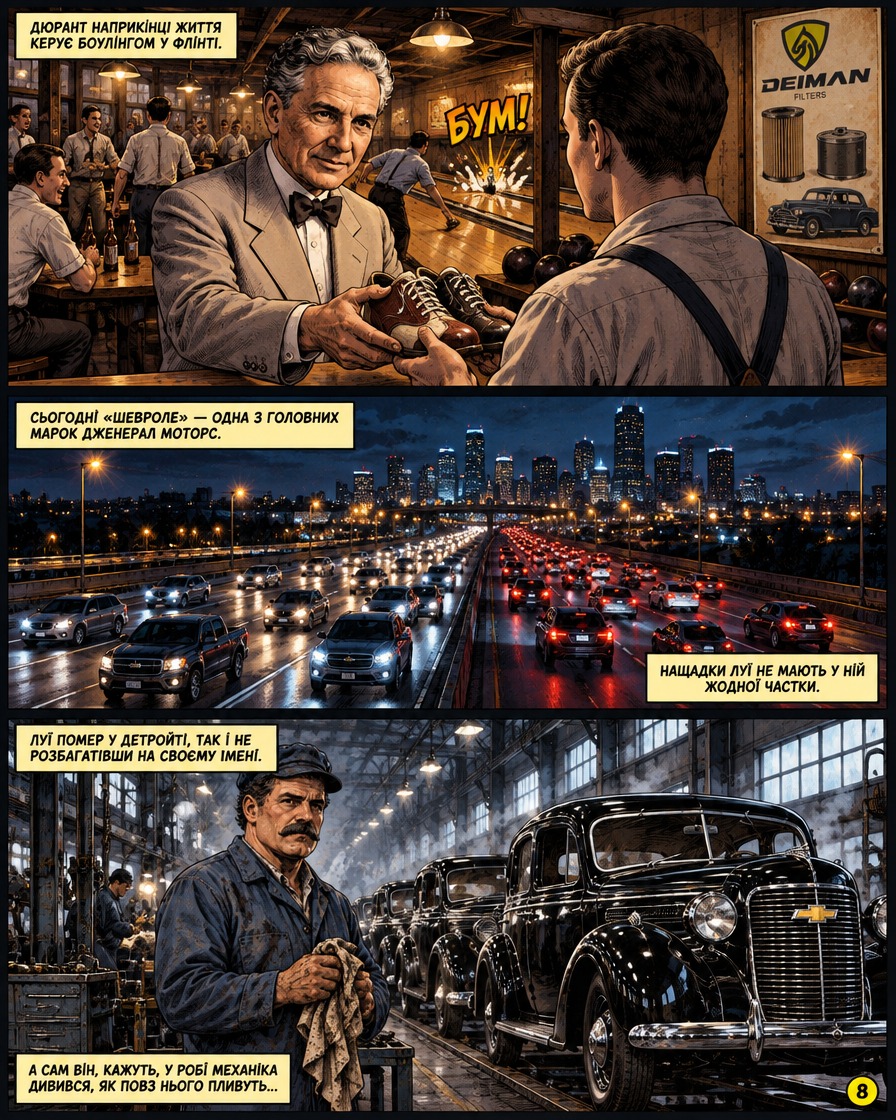
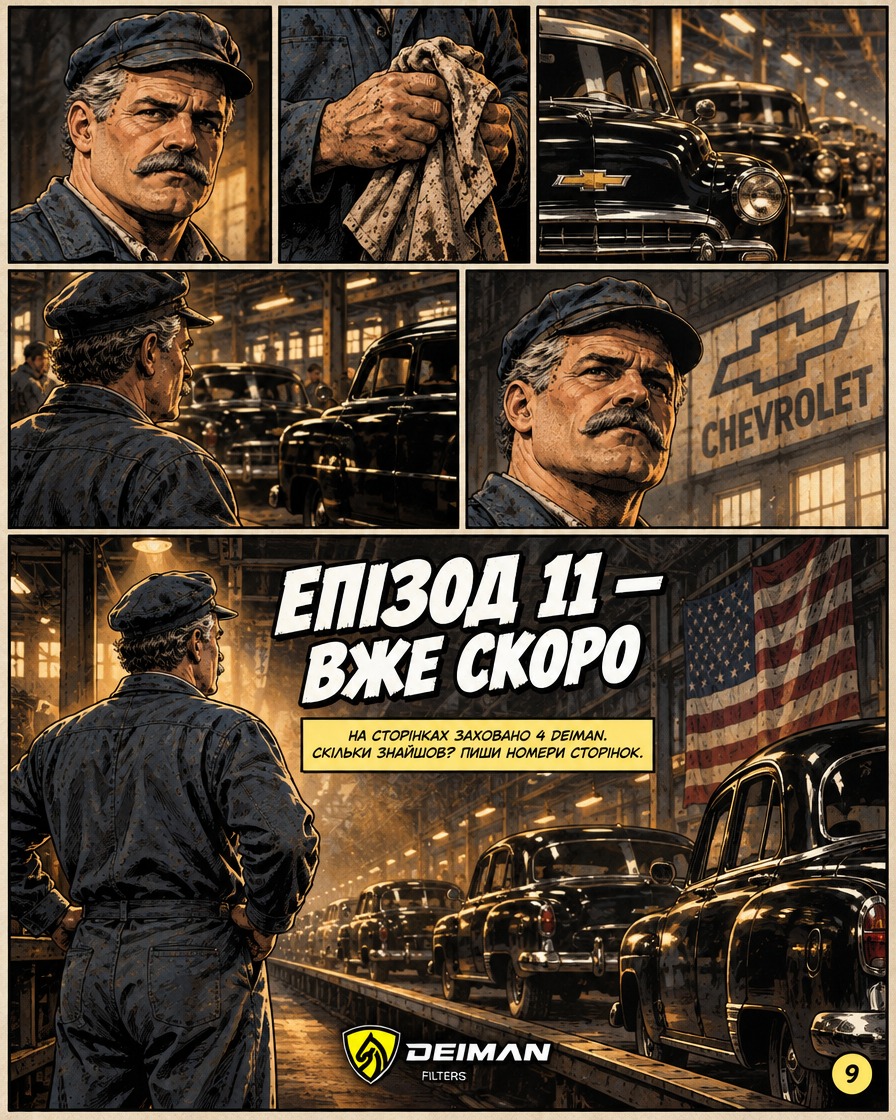
Detroit, the late 1930s. The assembly line, the roar, the smell of grease. Past an aging, stocky mechanic glide cars with his surname on the radiator grille.
According to a popular version, this is how Louis Chevrolet's story ended: in greasy overalls, among those who assemble Chevrolets rather than own them.
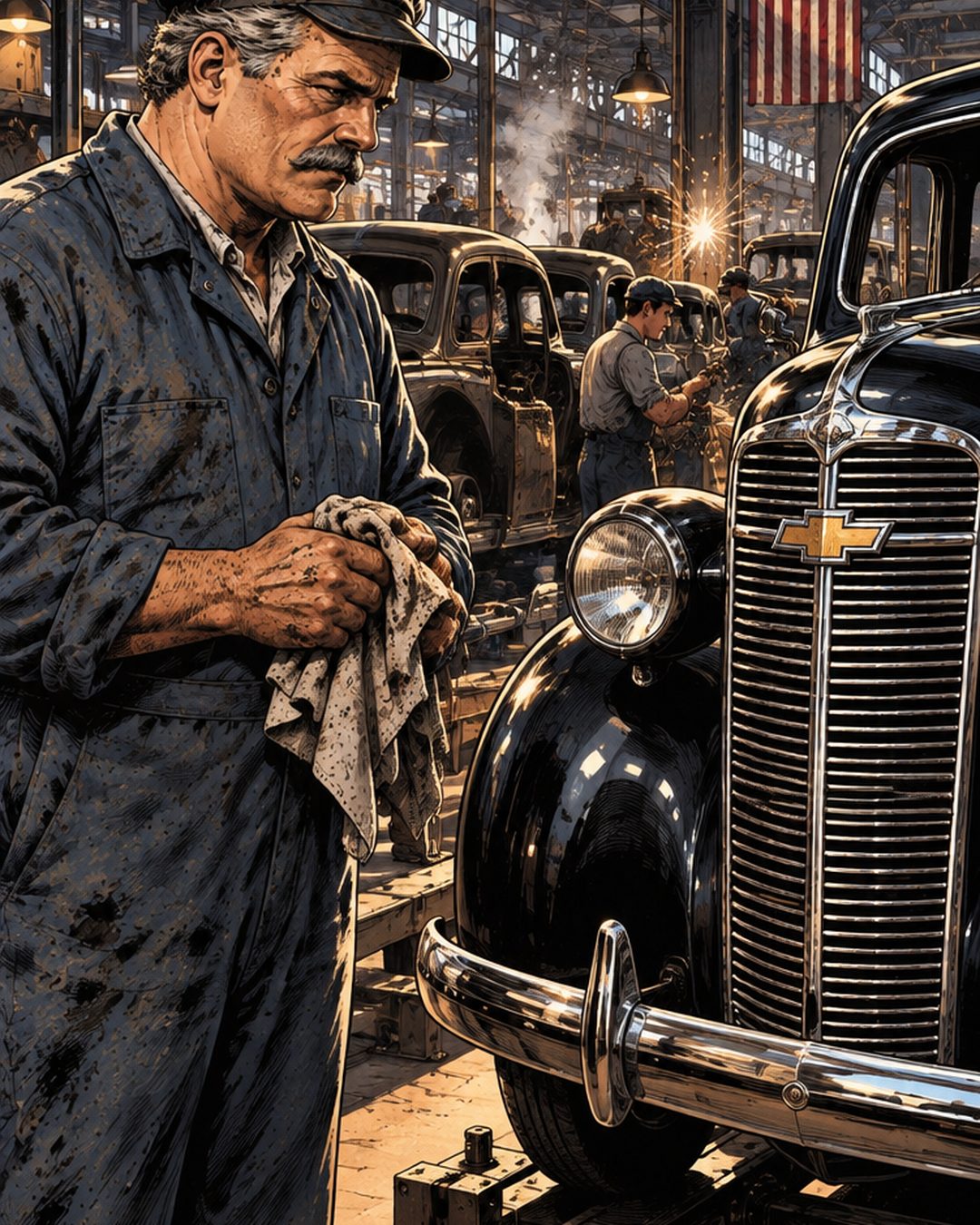
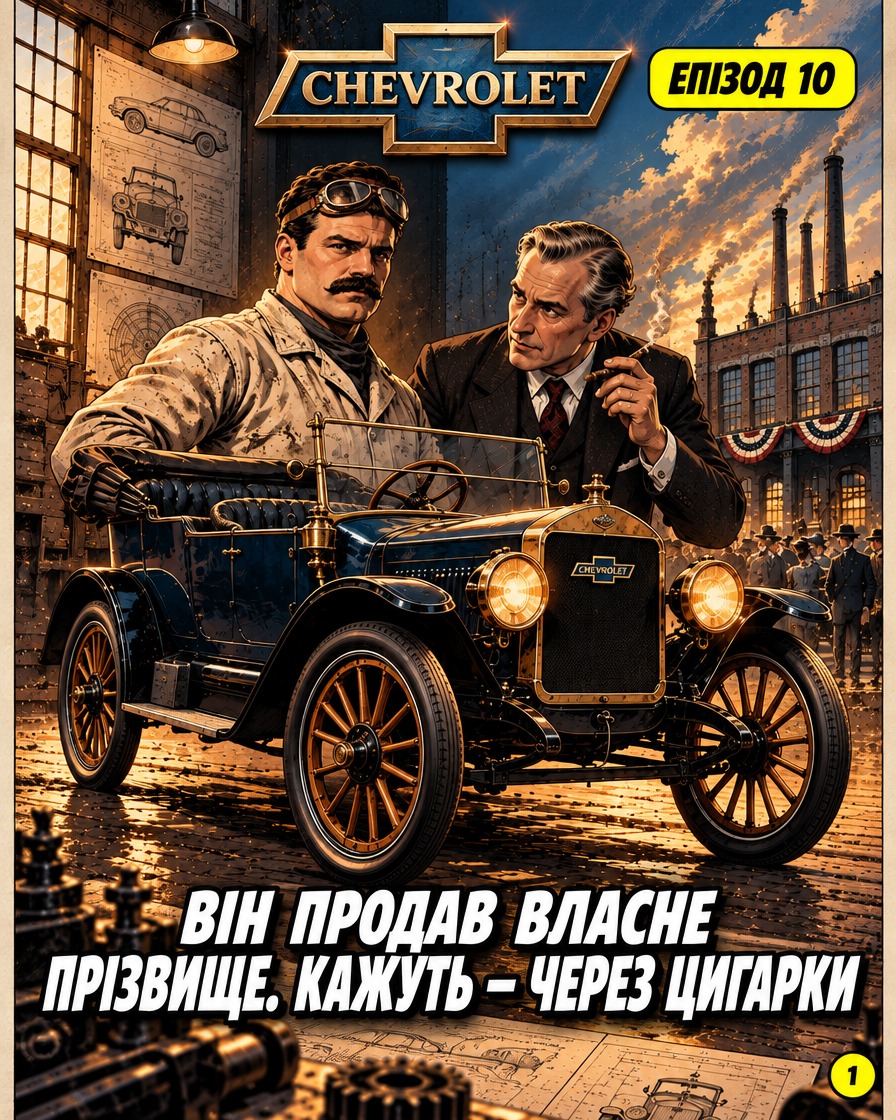
How did a man whose name became one of the most famous car brands on the planet end up on the other side of the assembly line? The answer lies in a single signature, made two years after the company was founded. And, if the legend is to be believed, in a pack of cigarettes.
We told this story in 3 minutes — watch how a racing driver's name became someone else's brand.
Where Louis Chevrolet came from and how he got to America
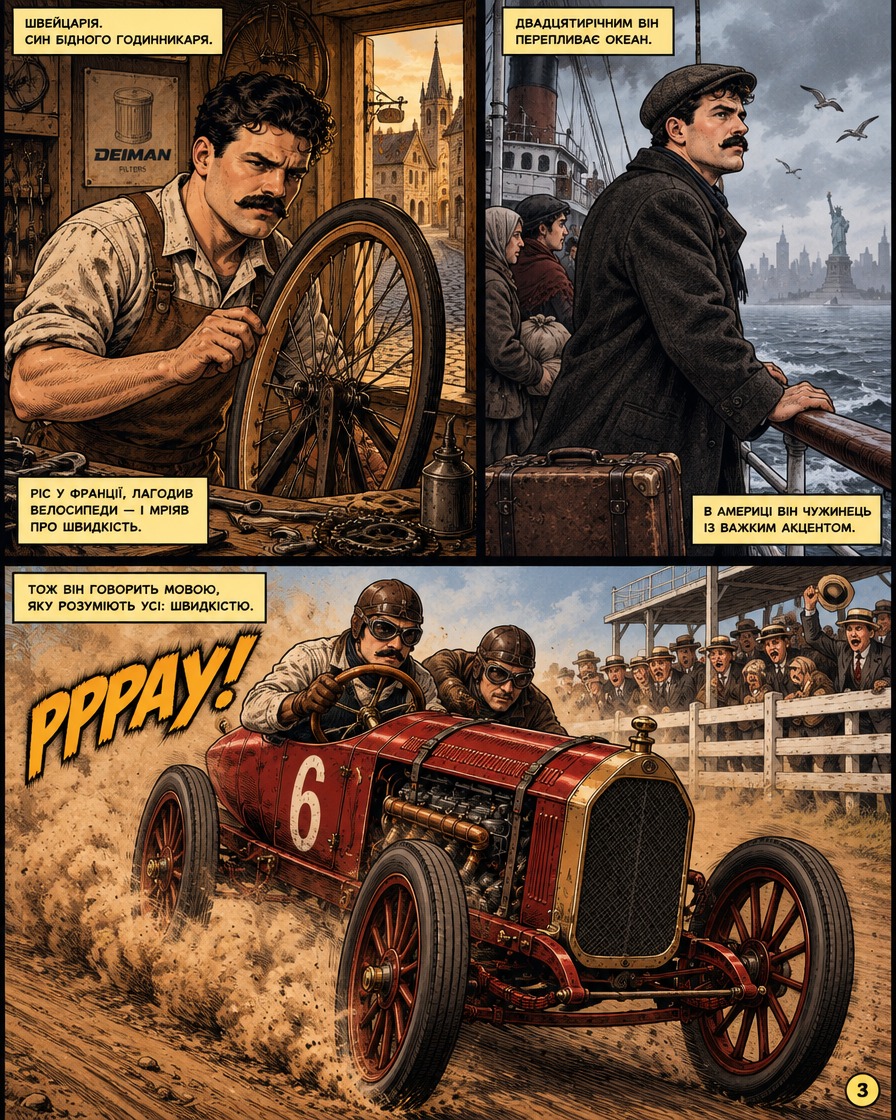
Louis was born in La Chaux-de-Fonds, Switzerland, a city of watchmakers, into the poor family of a watchmaker. While still a child he moved with his family to Beaune, in Burgundy, France.
There the boy repaired bicycles, raced them, and thought about only one thing: how to go faster.
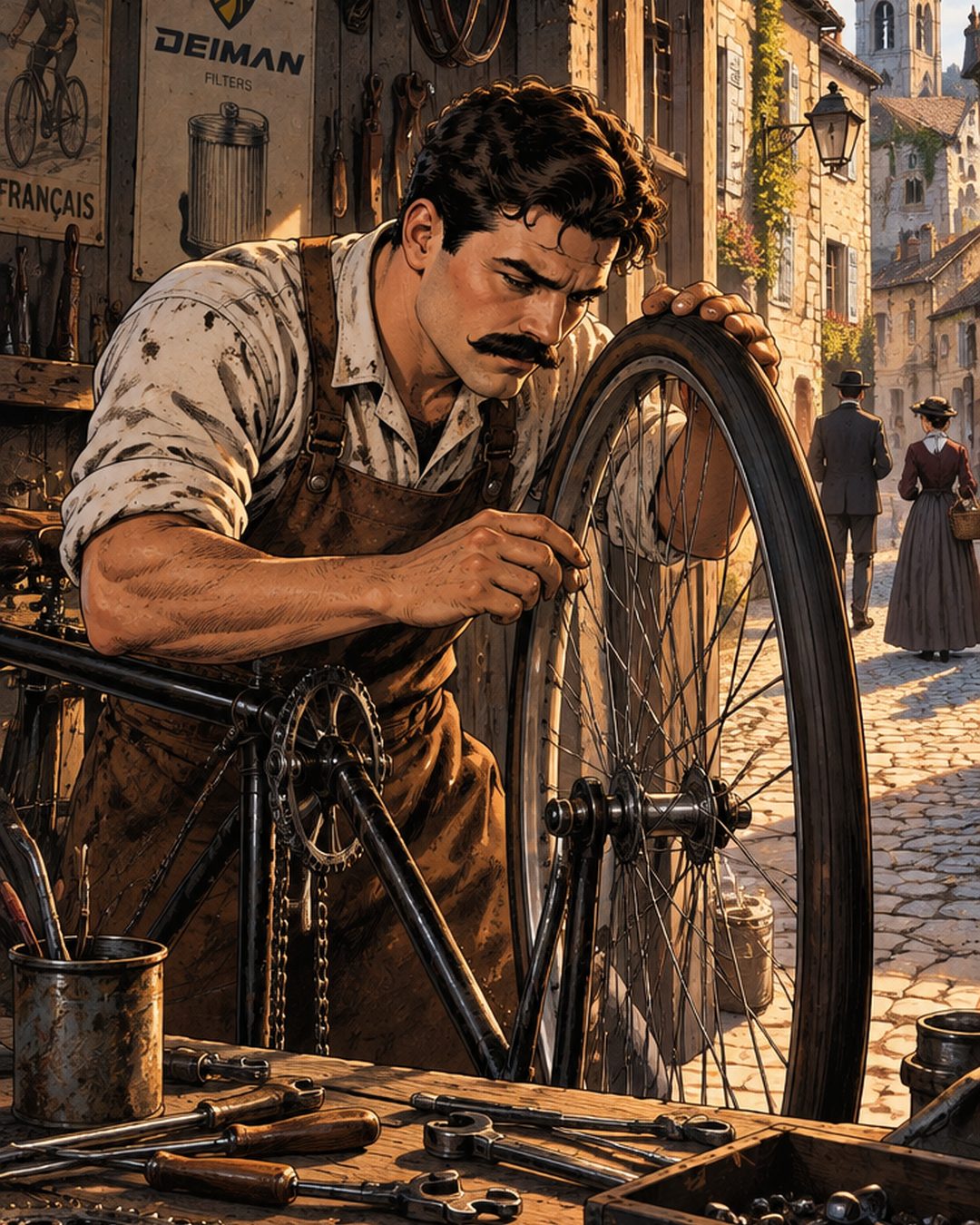
At twenty he crosses the Atlantic. First Montreal, then New York and a job as a mechanic. In his new country he is a foreigner with a heavy French accent. Biographers describe him as a hot-tempered and sensitive man who constantly felt he was being mocked.
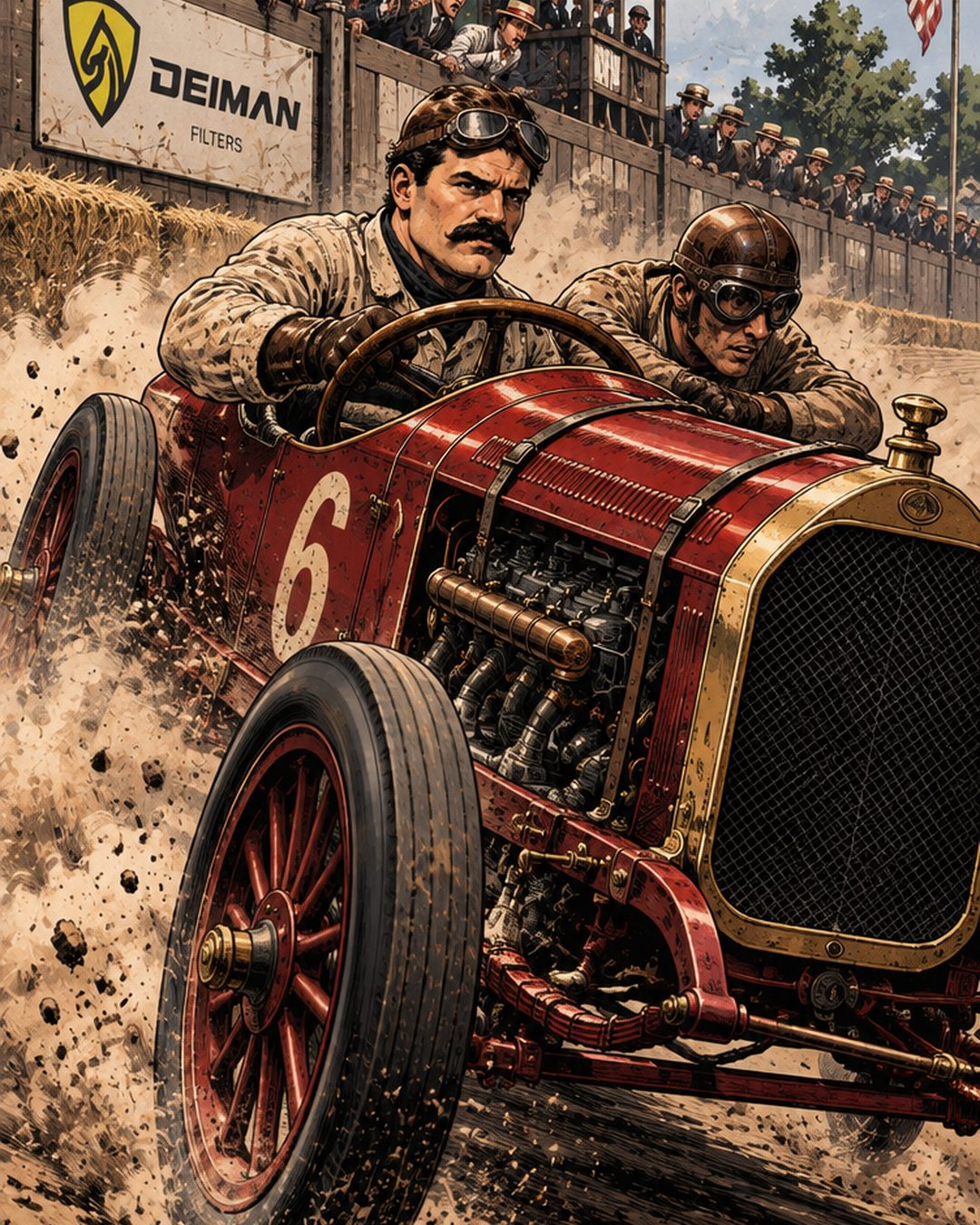
So he began speaking a language everyone understands: speed. He got behind the wheel of a racing Fiat and started winning. Among the rivals he outpaced was Barney Oldfield himself, the biggest star of American racing at the time.
Who William Durant was and why he needed the Chevrolet name
William Durant started out selling horse-drawn carriages in Flint, Michigan. Then he took control of Buick and gathered a whole string of small companies around it. That is how General Motors came to be.
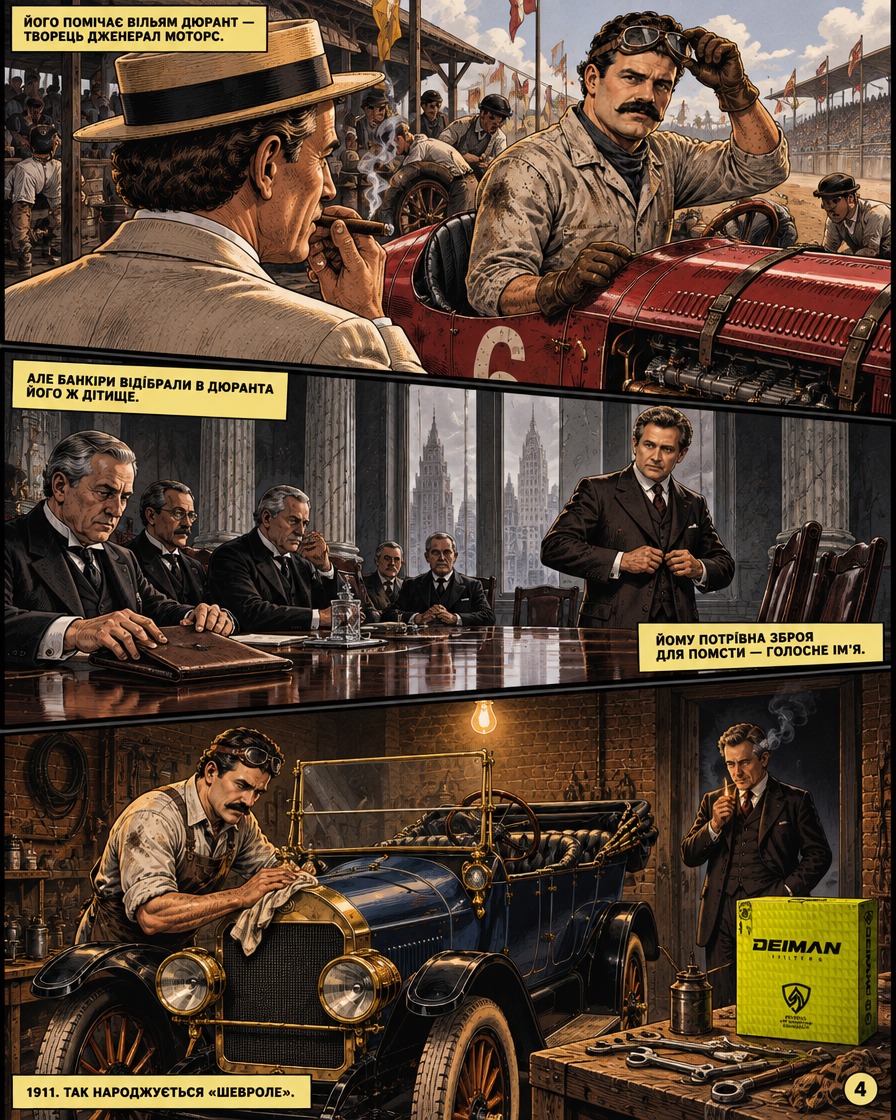
By then Louis was already racing for the Buick team, and Durant, short, elegant, never without a cigar, quickly noticed the stocky Swiss.
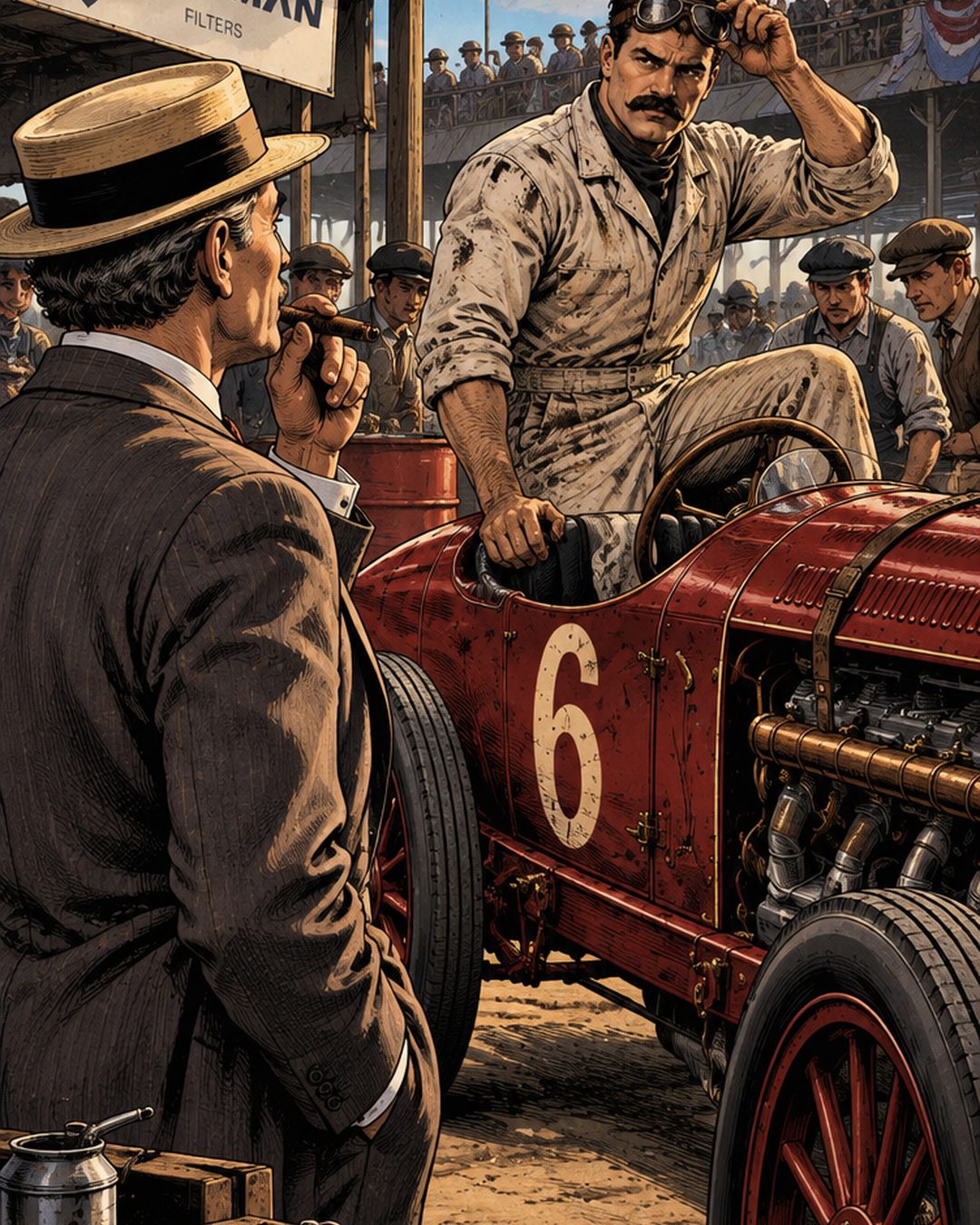
But that empire, built on debt, was wobbling. The bankers who rescued GM set a condition: Durant had to go. The creator was removed from his own brainchild.
He had no intention of accepting it. For revenge he needed a new brand with a name as loud as an engine's roar. The surname of a famous racing driver fit perfectly: French, resonant, familiar to anyone who read the sports pages.
When the first Chevrolet car appeared
In November 1911 the Chevrolet Motor Car Company was registered in Detroit. Louis took charge of engineering and built exactly the car he dreamed of: big, powerful, and not cheap at all.
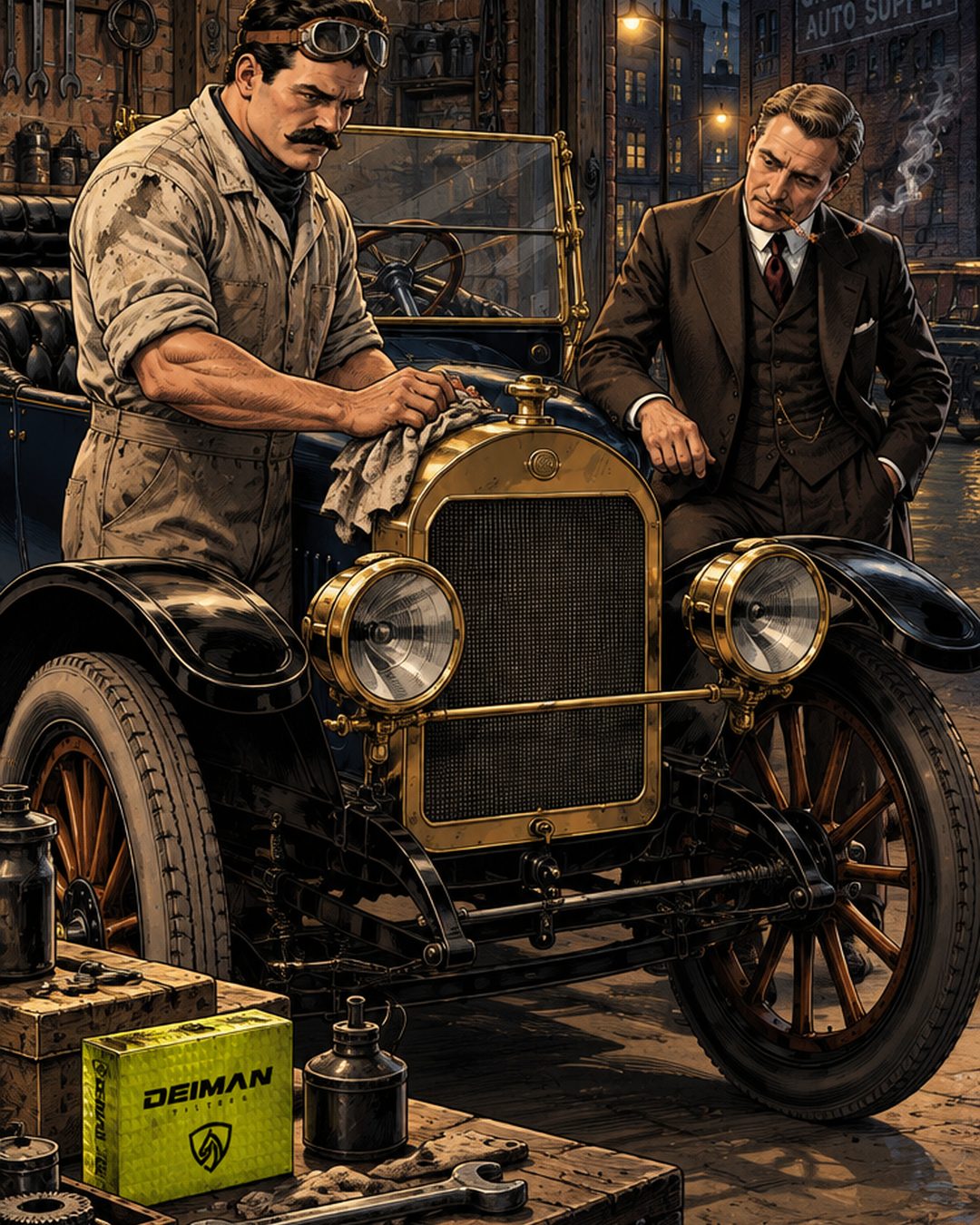
The first production Chevrolet, the Series C Classic Six, was a large touring car with a 40-horsepower inline six. It cost more than two thousand dollars, roughly three times as much as the popular Ford Model T. That is where the coming conflict lay hidden.
Car specifications
| Parameter | Value |
| Model | Chevrolet Series C Classic Six |
| Production years | 1912–1913 |
| Body | open touring |
| Engine | inline 6-cylinder, about 4.9 L |
| Power | 40 hp |
| Price | $2,150 |
Why Louis Chevrolet sold his company
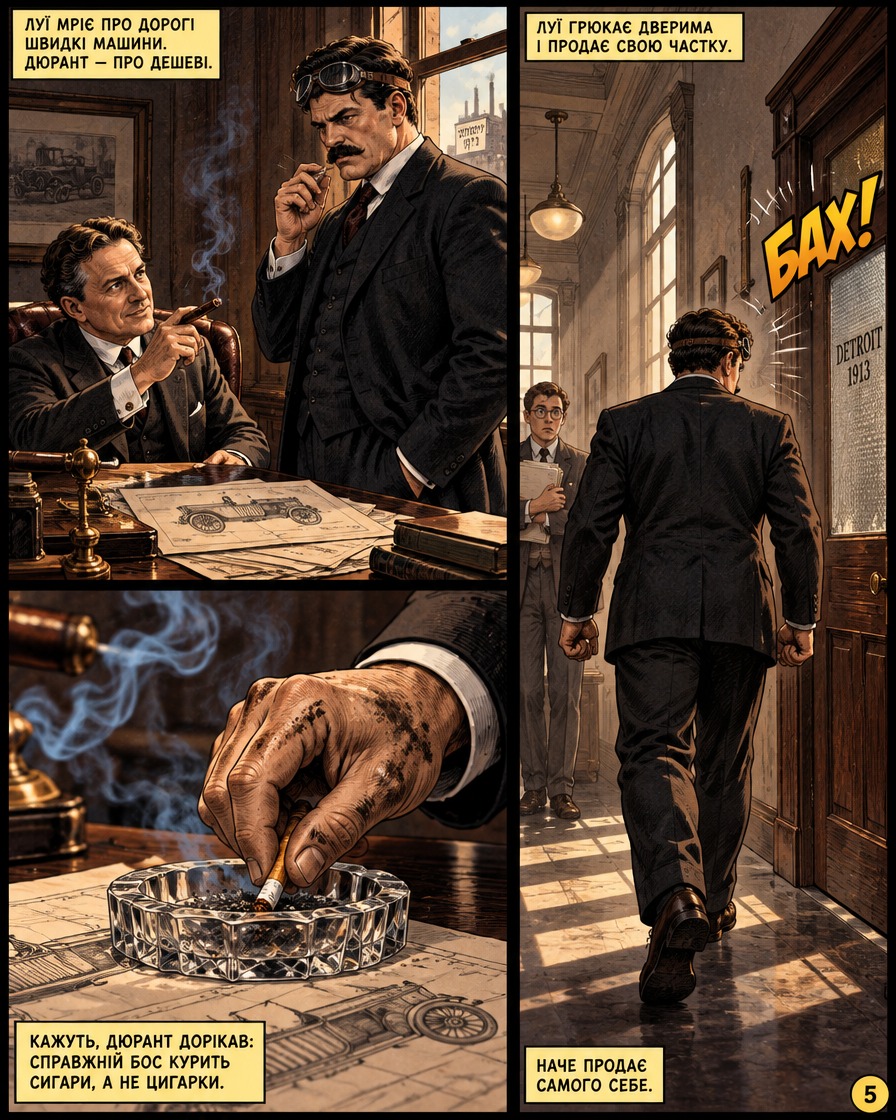
The partners pulled the brand in different directions. Louis wanted to build expensive, fast cars. Durant looked at Henry Ford and saw that the real money was in cheap cars for the millions.
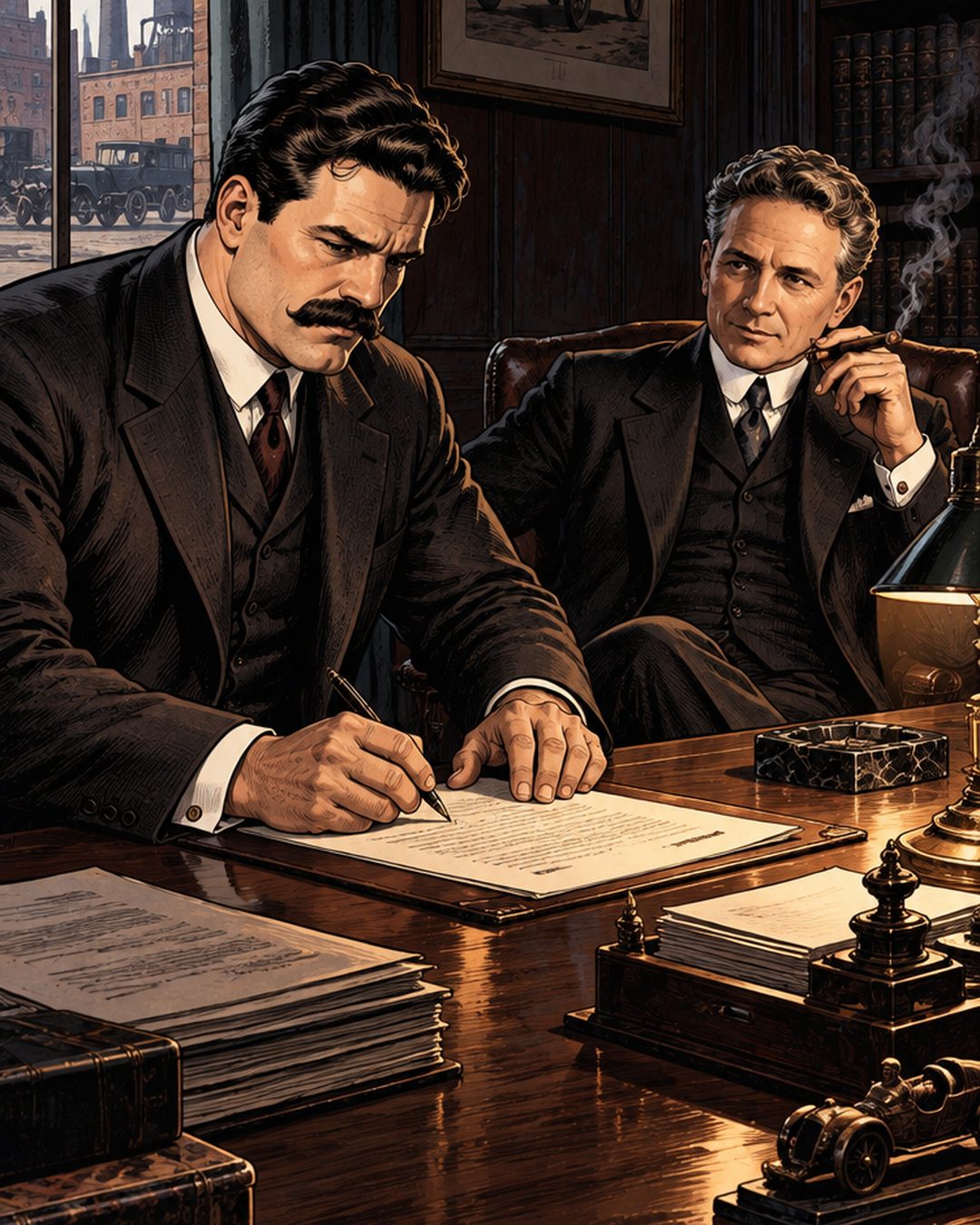
There is also an everyday version of the split that became part of the legend. They say Durant reproached Louis over cigarettes: a man whose name is on the cars ought to smoke cigars, as a boss should. Whether it really happened is unknown, but this is the detail retold most often.
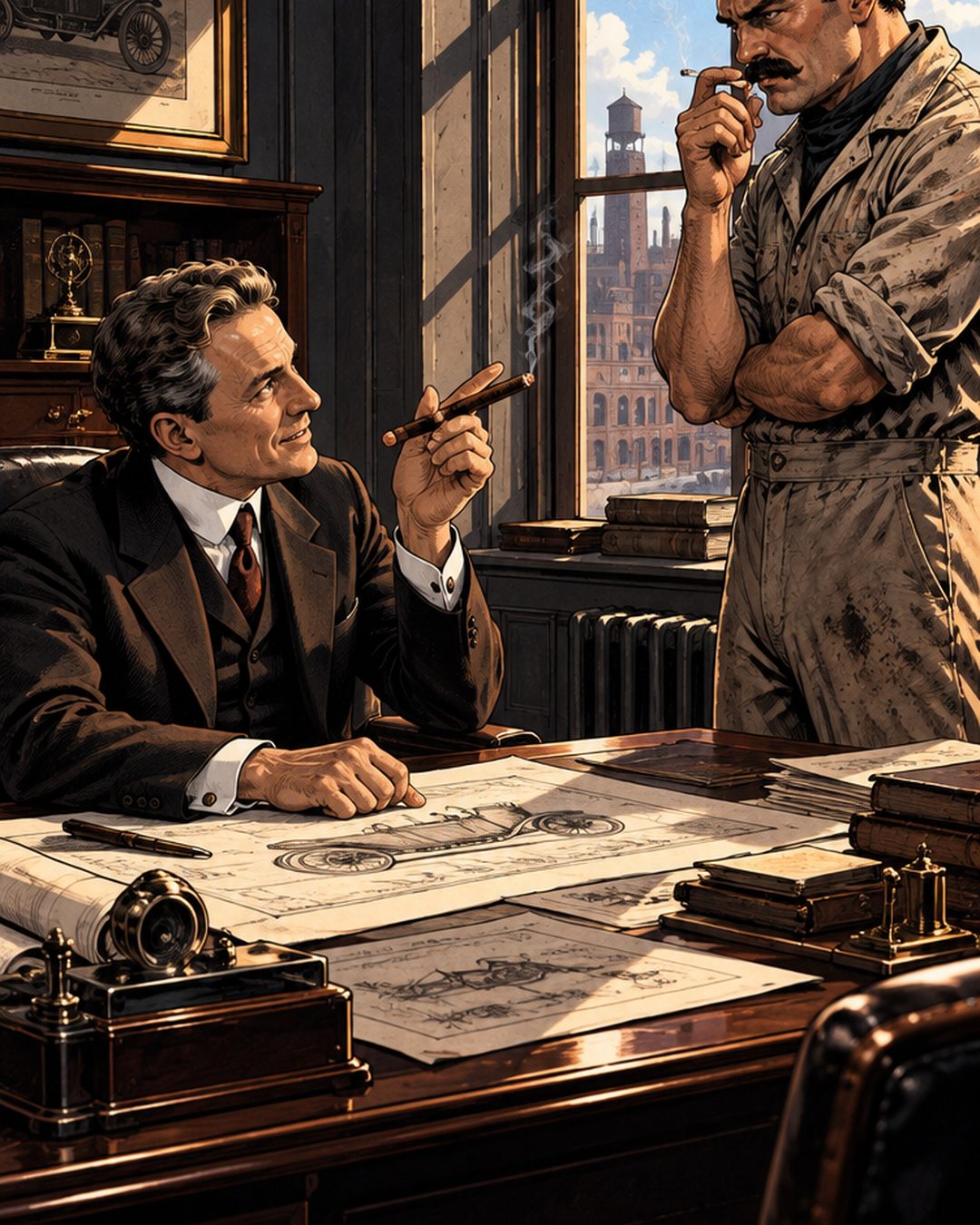
Two years after the founding, Louis slammed the door and sold his share. The right to his surname went with it. The name with which he had won so many races now belonged to someone else.
How Chevrolet helped Durant win back General Motors
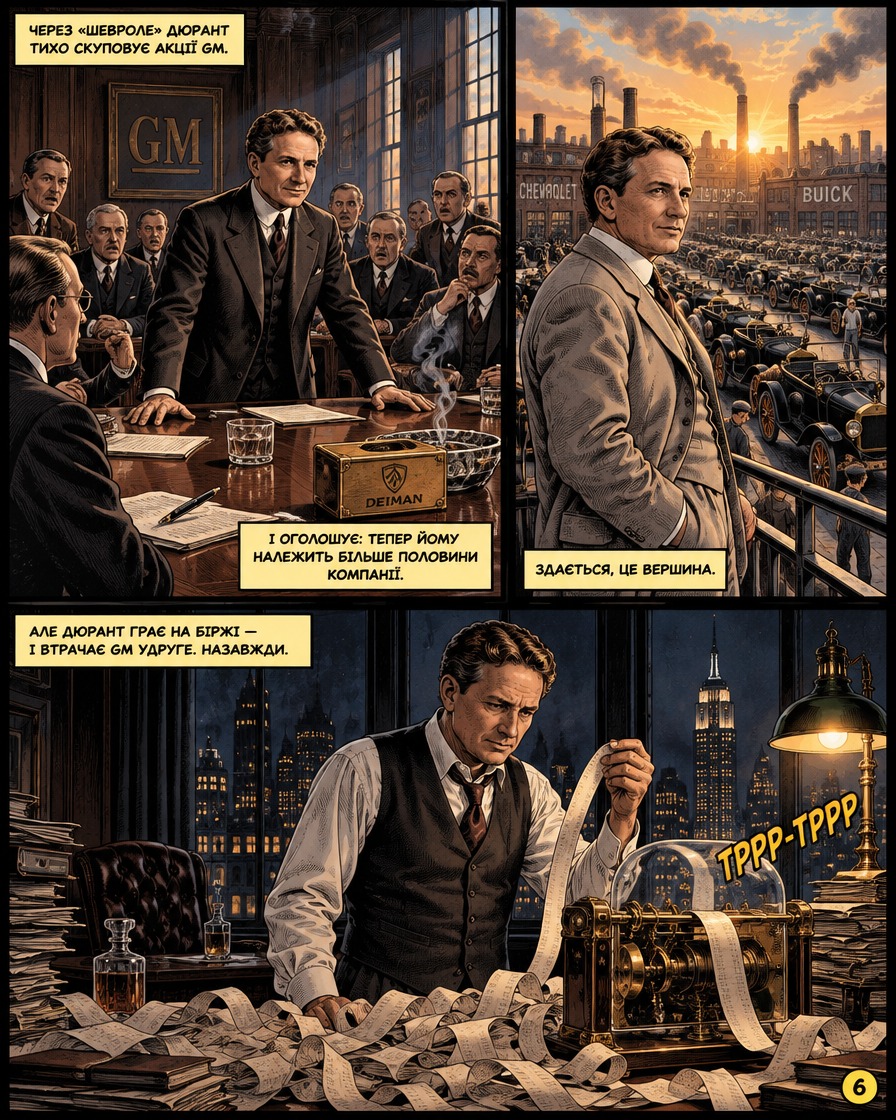
Without Louis, Durant did what he had wanted from the very beginning: he built a cheap car. It went head-to-head with the Ford Model T and sold so well that money poured in like a river.
Then came a move that still astonishes. With Chevrolet's profits, Durant quietly bought up GM shares and, a few years later, walked into a board meeting as the owner of a controlling stake. A young brand, born of resentment, helped win back the giant from which he had been driven out.
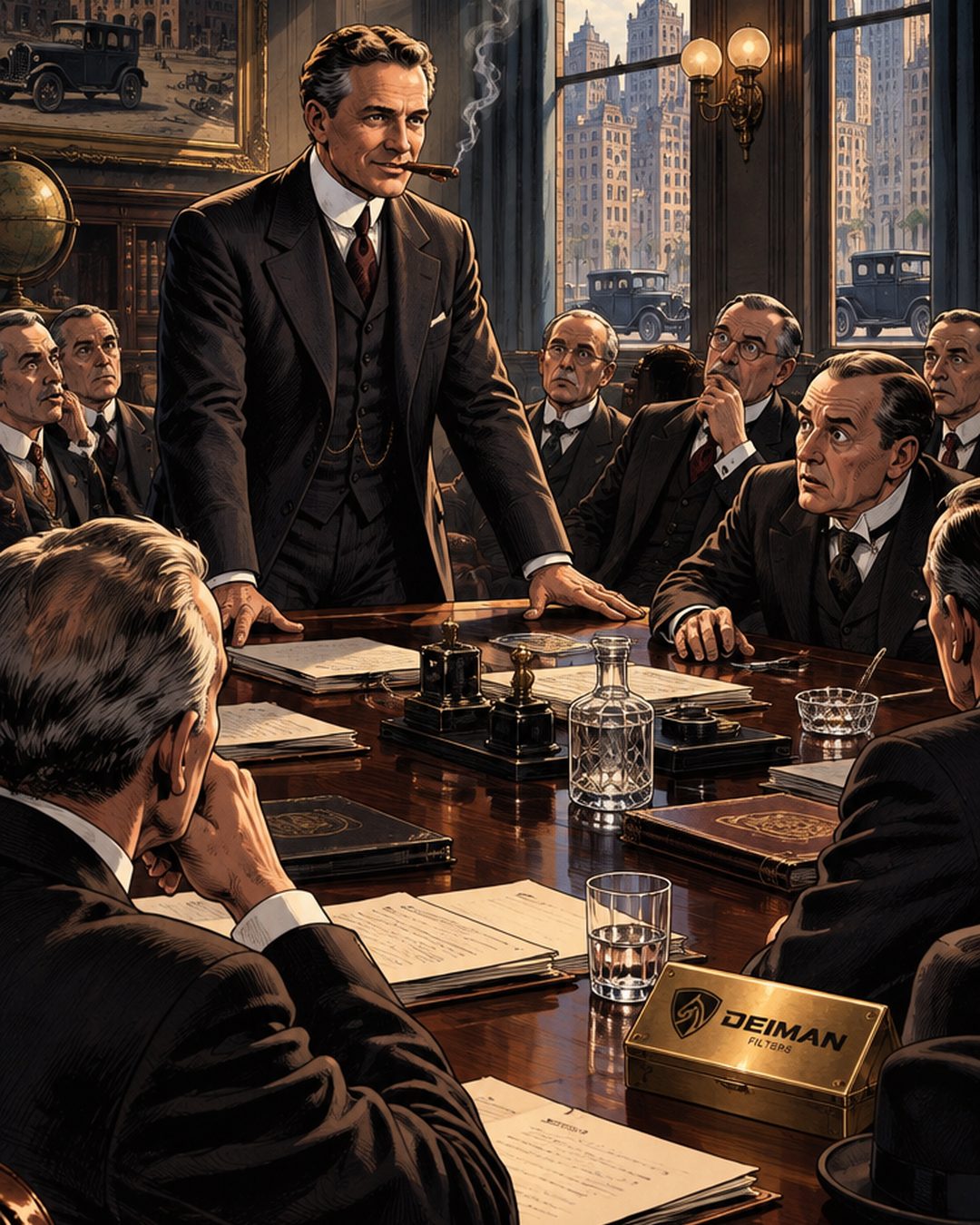
It seemed like the peak. But Durant played the stock market as if he couldn't stop. After the post-war crash he was left with enormous debts and lost GM a second time. This time for good.

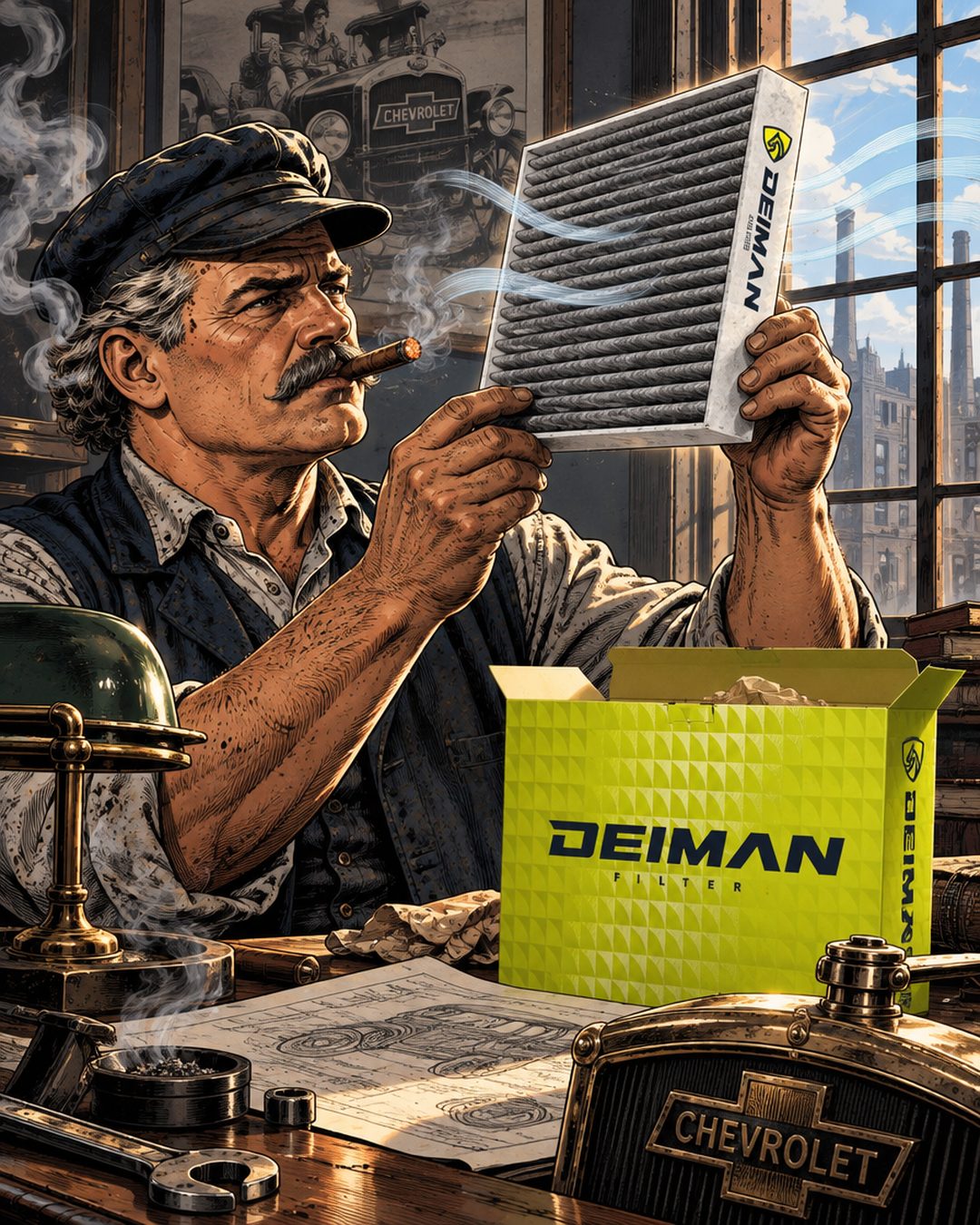
The legend of the Chevrolet–Durant split smells of tobacco: one man's cigars, the other's cigarettes, bluish smoke in a closed office.
The cabin of a modern car is also an enclosed space, and through the ventilation it draws in exhaust from traffic jams, city smog, and other people's smoke. That is what Carbon Series by DEIMAN is for: cabin filters with activated carbon that traps not only dust but also odors and gases.
Find a DEIMAN filter for your car →
What happened to Louis Chevrolet after he sold the company
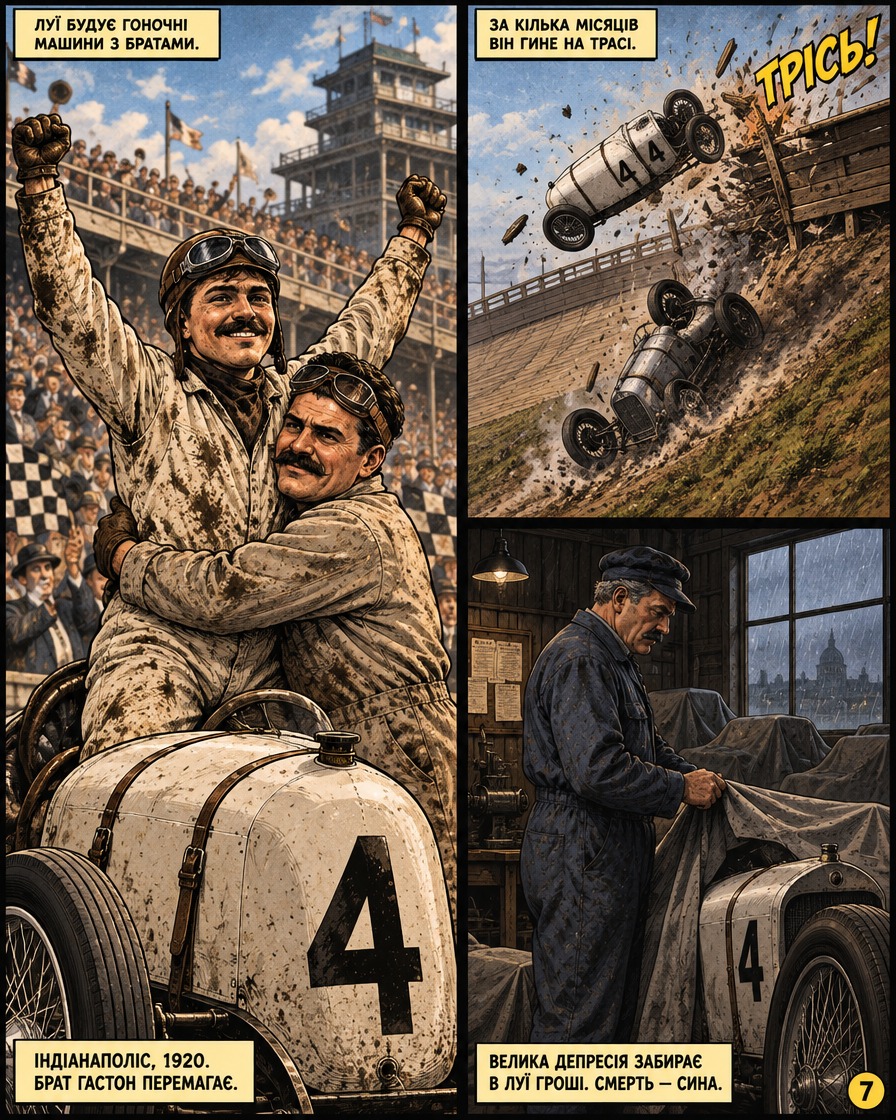
Louis didn't leave cars behind. Together with his brothers Arthur and Gaston he founded Frontenac: the company built racing cars and tuned cylinder heads for the Ford Model T.
The best day came in May, at Indianapolis. Gaston, behind the wheel of the brothers' car, won the Indianapolis 500. And just a few months later he was killed in a race in California.
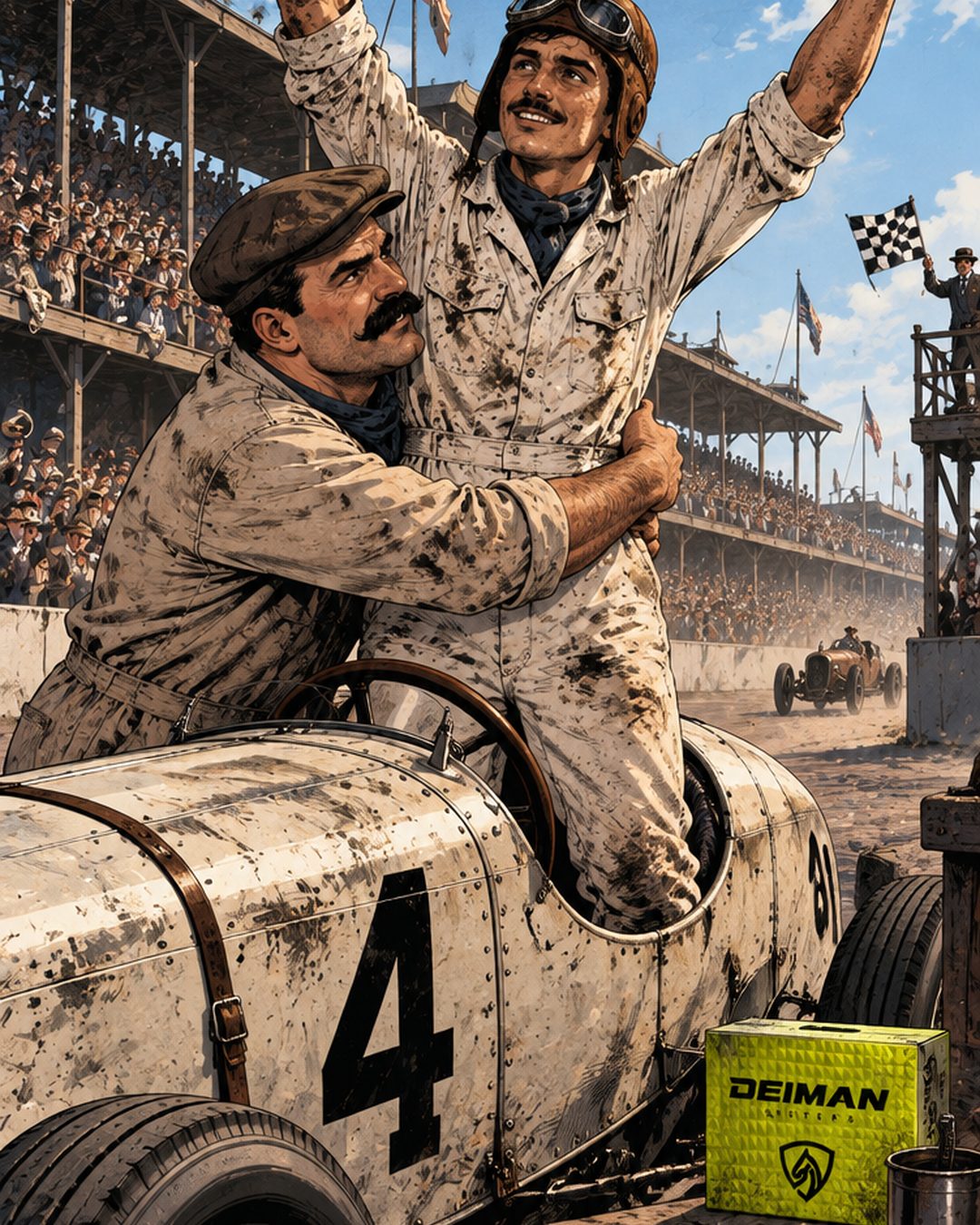
After that, fate struck without pause. The Great Depression took his fortune, and death took his son. According to a popular version, in the 1930s Louis returned to Chevrolet, but no longer as a founder, only as a salaried mechanic.
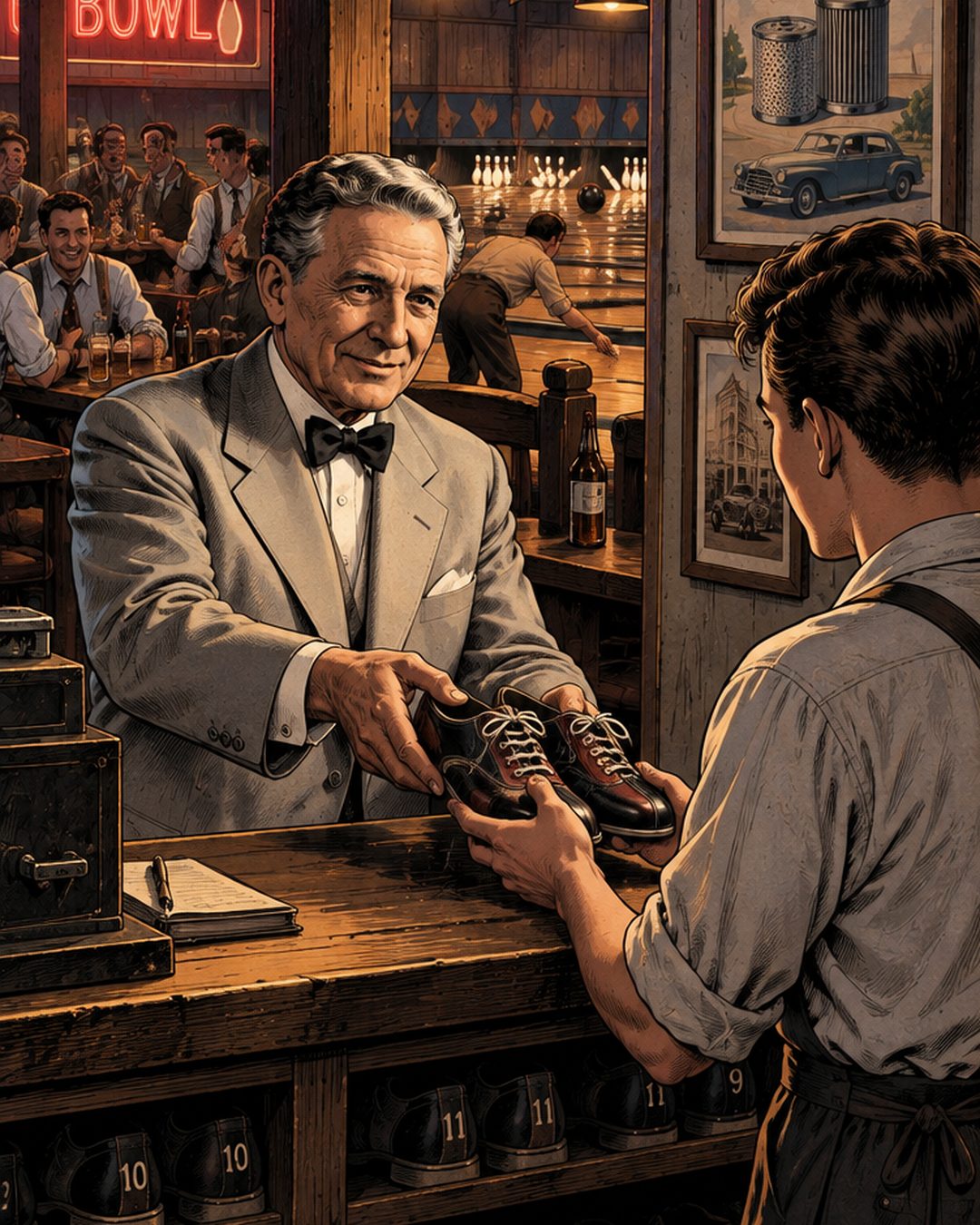
Durant, too, ended quietly. After several attempts to build a new auto empire he went bankrupt and, late in life, managed a bowling alley in Flint, the place where he once sold carriages and where General Motors began.
Louis died in Detroit at the age of sixty-two, never having gotten rich from his own name. He is buried in Indianapolis, the city where the Chevrolet brothers had their greatest triumph.
Timeline
| Year | Event |
| 1878 | Louis Chevrolet is born in La Chaux-de-Fonds (Switzerland) |
| 1900 | Louis moves to North America |
| 1911 | The Chevrolet Motor Car Company is founded in Detroit |
| 1913 | After a quarrel with Durant, Louis leaves the company and sells his share |
| 1916 | Durant regains control of General Motors through Chevrolet |
| 1920 | Gaston Chevrolet wins the Indianapolis 500; Durant loses GM for good |
| 1941 | Louis Chevrolet dies in Detroit |
Louis Chevrolet didn't lose the company through bankruptcy or because of investors. He sold his share himself two years after the founding, after a quarrel with Durant, and gave up his name along with it. Louis's descendants have no stake in the brand.
In the next episode of "Birth of Auto Legends," there is another story about people whose names outlived their fortunes. And would you be able to sell your own surname if your pride were at stake?
The whole story as a comic
9 pages · Swipe sideways →
 1 / 9
 2 / 9
 3 / 9
 4 / 9
 5 / 9
 6 / 9
 7 / 9
 8 / 9
 9 / 9
Frequently asked questions
Who founded the Chevrolet company?
Chevrolet was founded by the Swiss racing driver and mechanic Louis Chevrolet and the American entrepreneur William Durant, the founder of General Motors. Louis was responsible for the design of the cars and gave the brand his surname, while Durant handled finance and strategy. Other partners of Durant's also took part in creating the company, but the main figures of the story remain Chevrolet and Durant.
When and where was Chevrolet founded?
The Chevrolet Motor Car Company was founded on November 3, 1911, in Detroit, Michigan. The brand's first production car, the Series C Classic Six, appeared the following year as a 1913 model. Production was later expanded, and in 1918 Chevrolet became part of General Motors.
Why did Louis Chevrolet sell his share in Chevrolet?
The main reason was his disagreement with Durant. Louis wanted to build expensive, fast cars, while Durant wanted cheap cars for the mass buyer in order to compete with the Ford Model T. According to the legend, the last straw was Durant's reproaches over cigarettes: a real boss, he said, smokes cigars. In 1913 Louis left the company and sold his share together with the right to his name.
What was the first Chevrolet car?
The brand's first production car was the Chevrolet Series C Classic Six. It was a large open touring car with an inline six-cylinder engine of about 4.9 liters and 40 horsepower. It cost $2,150, significantly more than the Ford Model T. Louis Chevrolet himself designed it.
Did Louis Chevrolet make money from the Chevrolet brand?
No. After selling his share in 1913, Louis lost any rights to the brand and its profits. Later the Great Depression wiped out his fortune. According to a popular version, in the 1930s he returned to Chevrolet as an ordinary mechanic. Louis died in 1941 in Detroit, never having gotten rich from his own name, and his descendants have no share in the company.
Where was Louis Chevrolet from?
Louis Chevrolet was born on December 25, 1878, in La Chaux-de-Fonds, Switzerland, into a watchmaker's family. He spent his childhood and youth in Beaune, in Burgundy, France, where he repaired and raced bicycles. Around 1900 he moved to North America, first to Montreal and then to New York, and later became famous as a racing driver.
Who was William Durant?
William Durant was an American entrepreneur who started out making horse-drawn carriages in Flint. He took control of Buick and in 1908 founded General Motors. Bankers removed him from the company twice: the second time, in 1920, for good. Late in life Durant went bankrupt and managed a bowling alley in Flint. He died in 1947.
What does the Chevrolet bowtie logo mean?
There is no definitive explanation. The emblem appeared on Chevrolet cars in 1913. According to one version, Durant saw a similar pattern on the wallpaper of a Paris hotel. According to another, it is a stylized Swiss cross in honor of Louis Chevrolet's homeland. Durant's widow recalled that her husband noticed a similar sign in a newspaper. Officially, no version has ever been confirmed.
When did Chevrolet become part of General Motors?
Thanks to Chevrolet's profits, William Durant bought up a controlling stake in General Motors and in 1916 regained control of the corporation. Formally, Chevrolet became part of GM in 1918. Since then the brand has remained part of General Motors, although Durant himself lost the company as early as 1920.
How do you pronounce Chevrolet correctly?
Chevrolet is a French surname, so the correct pronunciation is “shev-roh-LAY,” with the stress on the last syllable. The final t is silent. In America the brand is often shortened to “Chevy.” In Ukrainian it is traditionally spelled “Шевроле.”
Where is Louis Chevrolet buried?
Louis Chevrolet died on June 6, 1941, in Detroit. He is buried in Indianapolis, the city associated with the Chevrolet brothers' greatest triumph: cars of their design won the Indianapolis 500 two years in a row, in 1920 and 1921. Louis was later inducted into the Automotive Hall of Fame in the United States.