
Who created Porsche? Two people. Engineer Ferdinand Porsche founded a design office in Stuttgart with his surname on the door. His son Ferry Porsche, in 1948 in Gmünd, Austria, built the first Porsche 356, the first car to bear the Porsche name. The paradox is that the project began while the father was still sitting in a French prison.

In this story:
- Who really created Porsche: the scene where it all begins
- Who was Ferdinand Porsche before the Porsche brand existed?
- When did the Porsche design office appear and what did it design?
- What did Ferdinand Porsche do during the war?
- How did Ferry Porsche create the first Porsche 356?
- What happened to Ferdinand Porsche after the 356 appeared?
Who really created Porsche: the scene where it all begins
Dijon, a prison cell. Old hands hold an envelope. This is how the first episode of “Birth of Auto Legends” begins. It is a cinematic image rather than a documentary shot, but its essence is true.
Ferdinand Porsche designed racing Mercedes cars, Auto Union racers and the Volkswagen “people's car.” After the war, he ended up imprisoned in France. His surname was about to appear on the bonnet of a new car, yet he had not tightened a single nut on it.

To understand how this happened, we need to go back sixty years, to a small Bohemian town where a boy was secretly running wires into his father's workshop.
We told this story in 3 minutes: watch how the Porsche brand begins in a prison cell.
Who was Ferdinand Porsche before the Porsche brand existed?
Maffersdorf: the boy who brought electricity into the workshop
Ferdinand was born in Maffersdorf. Today it is Vratislavice nad Nisou in the Czech Republic, but back then it was part of Austria-Hungary. His father, Anton Porsche, owned a tinsmith's workshop and expected his sons to carry on the family business.
According to family legend, at the age of twelve Ferdinand secretly wired homemade electricity into the workshop at night. His father saw the light, feared a fire and pulled the switch. That did not stop the boy.
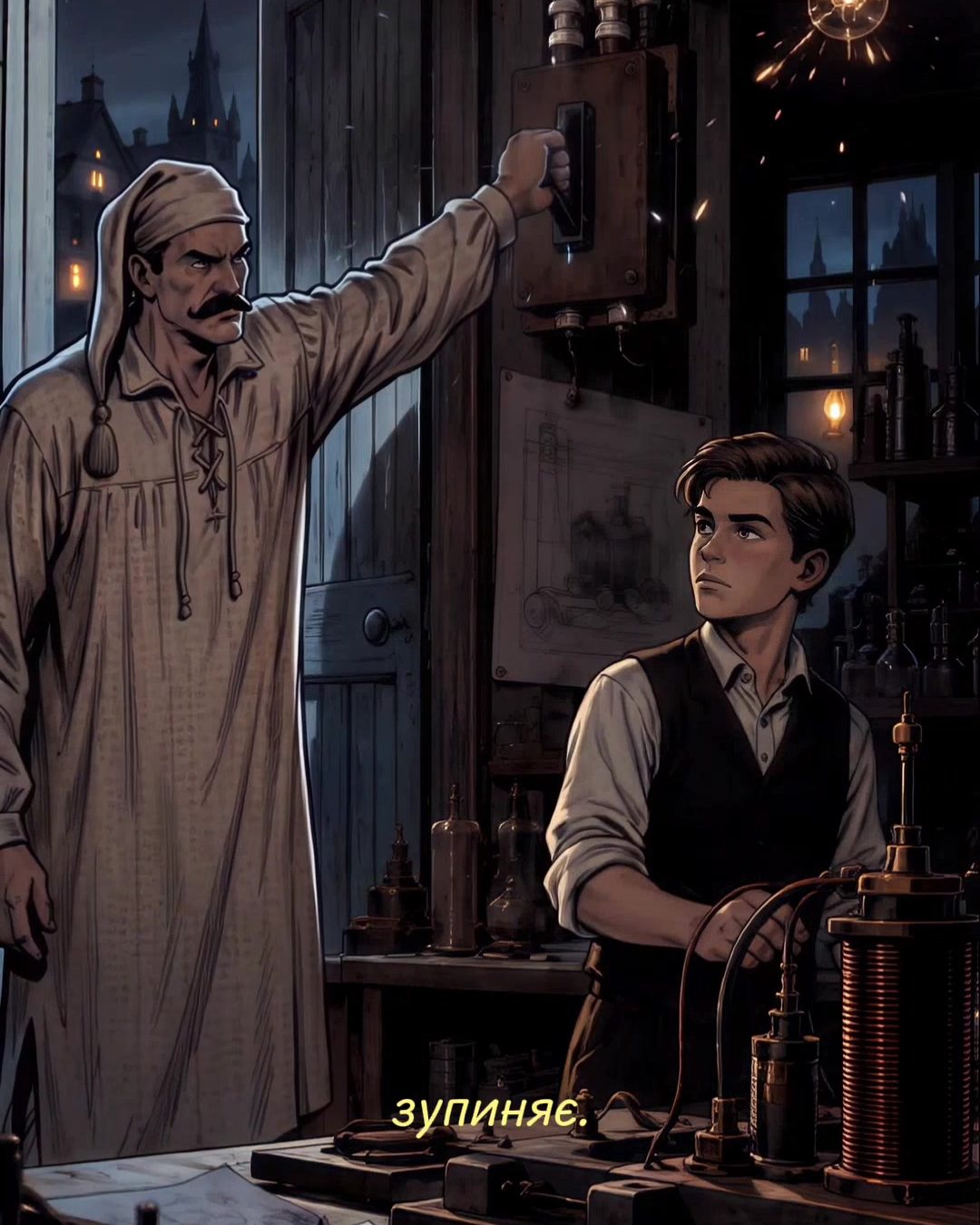
Then something happened that changed his plans for years: his older brother Anton was killed in an accident. Ferdinand was now expected to inherit the trade. By day he worked with metal, and by night he returned to his wires and batteries.
A wheel that is itself a motor
In Vienna, the young Porsche, without an engineering degree, got a job at an electrical company and later joined the coachbuilder Jacob Lohner. His idea sounded audacious: hide an electric motor right inside the wheel hub, with no chains, shafts or gearbox.
At the 1900 World's Fair in Paris, the Lohner-Porsche electric car caused a sensation. As the story goes, the top-hatted audience froze for a moment and then greeted the car with an ovation. The boy from the provinces was just over twenty.

Mercedes-Benz and a hat in the snow
From there, his career took off. Porsche became technical director of Austro-Daimler, then worked at Daimler in Stuttgart and, after the merger, at Daimler-Benz. Under his leadership, the supercharged Mercedes-Benz S and SSK series appeared and won races. A self-taught man whom no academy would have admitted received honorary doctorates.
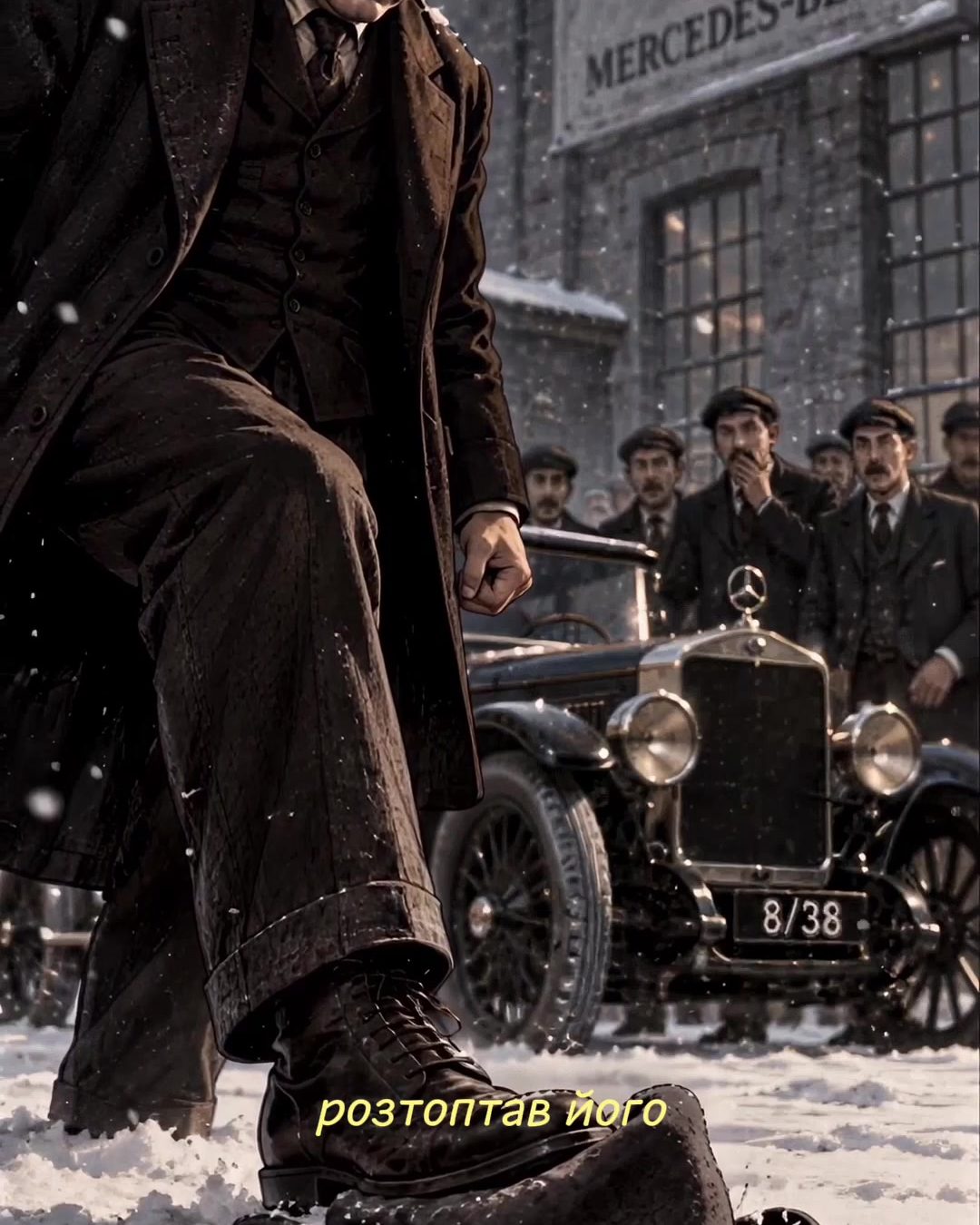
But Porsche's temperament was no lighter than his engines. He argued with the board over costs and the direction of development. According to legend, one winter a dispute ended with shouting in the factory yard: Porsche threw his hat into the snow, stamped on it and walked away.
When did the Porsche design office appear and what did it design?
After a brief stint at the Austrian company Steyr, Porsche decided to work for himself. He rented a few rooms in Stuttgart and hung a plate with his name on the door. That is how the design office came into being. It was not a factory or a car brand, but a team of engineers selling ideas to others.
His son Ferry worked alongside him. Together with chief designer Karl Rabe and body designer Erwin Komenda, they drew until dawn, even though there was often no money to pay the bills.

Within a few years, the office had built up an impressive list of commissions: cars for Wanderer, the sixteen-cylinder Auto Union racer and the Type 60. The world would come to know this car as the Volkswagen Beetle. It was from its components that the first Porsche would later grow.
What did Ferdinand Porsche do during the war?
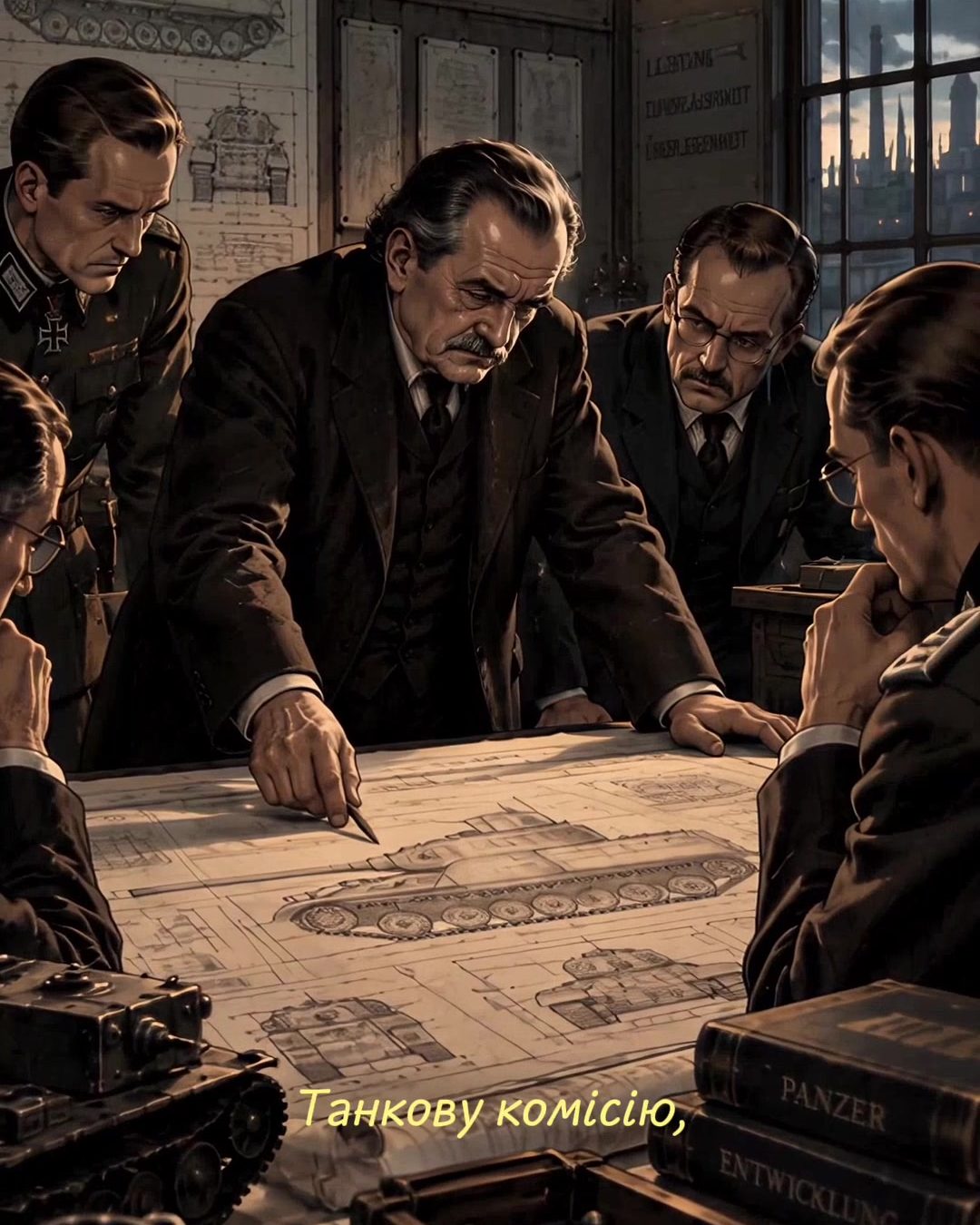
And then Europe went up in flames. Porsche headed the Third Reich's Tank Commission. His office worked on a version of the Tiger heavy tank and on the super-heavy Maus, weighing around 188 tonnes.
At the Volkswagen plant, which Porsche ran, forced labour was used — prisoners of war and deported people, many of them Ukrainians. Today this chapter is openly researched by historians and by the company itself. After the war, he was held to account for it.
A few months after the surrender, the French arrested Ferdinand, Ferry and his son-in-law Anton Piëch. Ferry was soon released. The father and Piëch spent more than a year and a half in French prisons, including in Dijon.

How did Ferry Porsche create the first Porsche 356?
While his father was imprisoned, Ferry had to save both the family and the office. He signed a contract with Italian businessman Piero Dusio, owner of Cisitalia, for a Grand Prix racing car. Part of the Italian money went towards his father's bail.
Meanwhile, the office was operating in Gmünd, a mountain town in Carinthia, Austria, where it had been evacuated at the end of the war. The workshops were housed in a former sawmill. There, Ferry took up his long-held dream: a sports car bearing his own name.

In spring 1948, the Porsche 356 No.1 roadster was ready, and in summer it was approved for road use. The engine was taken from Volkswagen and modified. Craftsmen hand-beat the body from aluminium based on Komenda's sketches.
Why is the Porsche 356 called the 356?
There is no symbolism here. 356 is simply the project's sequential number at the Porsche office, which numbered all its developments, from outside commissions to its own. The Volkswagen Beetle, for example, was known as the Type 60, and the Cisitalia racer as the Type 360.
What were the technical features of the first Porsche 356 No.1?
The first 356 was unusual even by the Porsches' own standards. The engine sat ahead of the rear axle, that is, in the middle. A light tubular frame and a weight of under 600 kilograms allowed a modest 35 horsepower to push the roadster to 135 km/h.
Car specs
| Parameter | Value |
| Model | Porsche 356 No.1 Roadster |
| Year | 1948 |
| Place of assembly | Gmünd, Carinthia (Austria) |
| Engine | Volkswagen flat-four, 1131 cc, mid-mounted |
| Power | 35 hp |
| Weight | approx. 585 kg |
| Top speed | approx. 135 km/h |
What happened to Ferdinand Porsche after the 356 appeared?
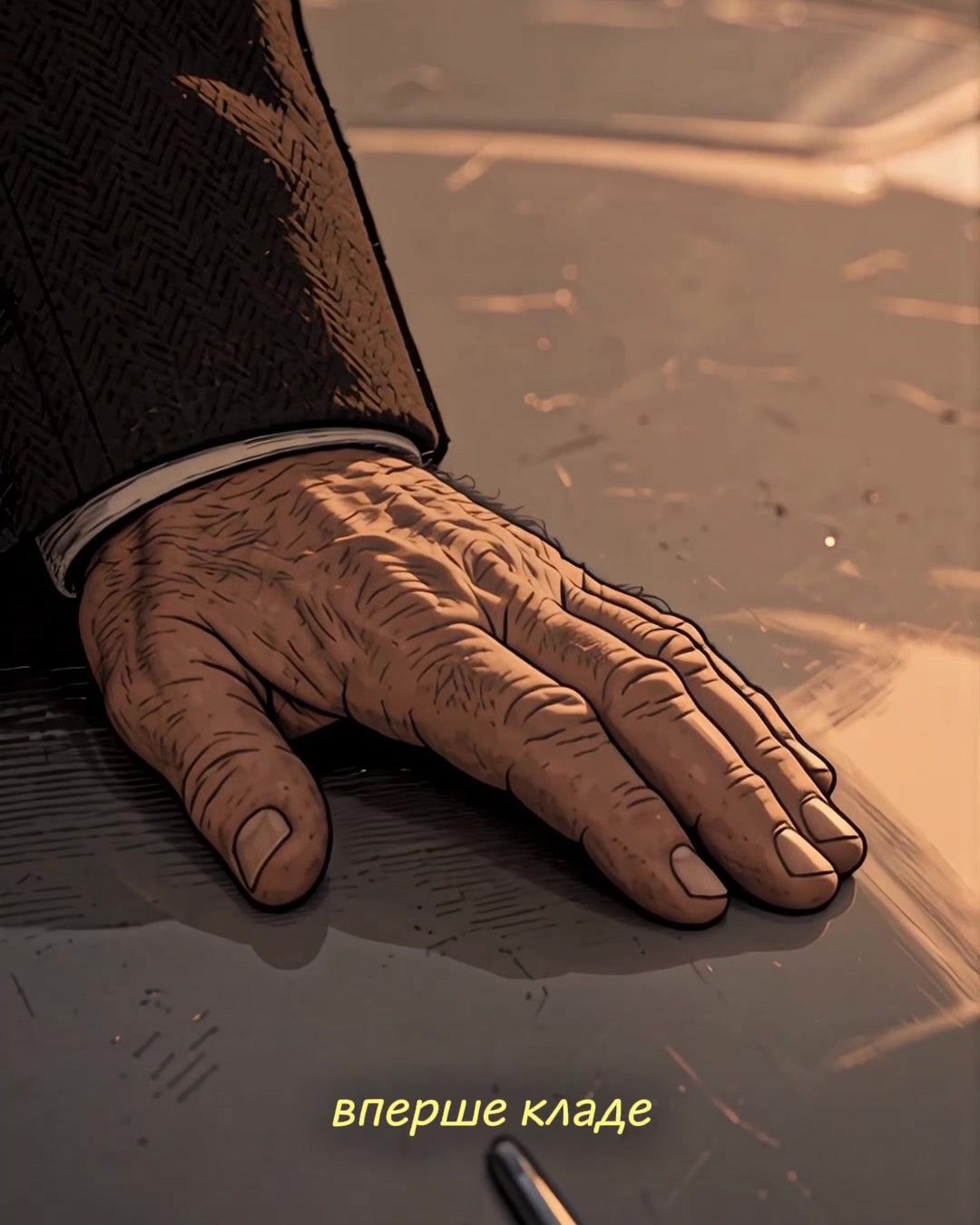
Our episode has a shot in which the old Porsche, now free, places his hand on the still-warm bonnet of a car he did not build. There is no record of this moment. But the story that the father inspected the 356 and approved his son's work has been retold in the Porsche family for decades.
Ferdinand did not live long after that. He saw production move from Gmünd to Stuttgart and soon died after a stroke. Ferry took over the company. A handful of hand-built aluminium cars grew into tens of thousands of 356s, and then the Porsche 911 took up the baton.
So who created Porsche? The father provided the name, the know-how and the Volkswagen components. The son built a brand out of them. The honest answer always has two authors.
Timeline
| Year | Event |
| 1875 | Ferdinand Porsche is born in Maffersdorf |
| 1900 | The Lohner-Porsche electric car with wheel-hub motors at the World's Fair in Paris |
| 1909 | His son Ferry Porsche is born |
| 1931 | Ferdinand Porsche opens his design office in Stuttgart |
| 1945–1947 | Arrest and imprisonment in France, including in Dijon |
| 1948 | The first Porsche 356 No.1 is built in Gmünd |
| 1950 | 356 production moves to Stuttgart |
| 1951 | Ferdinand Porsche dies |

Do you drive a Porsche too? The first 356 was an open roadster, and the driver swallowed the dust of Carinthia's mountain roads along with the wind.
A modern Porsche is enclosed, and all the air in the cabin passes through a filter. Ultra Series by DEIMAN is a nanocrystalline cabin filter that cleans the air before you breathe it. Such filters are already available for the latest-generation Porsche Cayenne and related Volkswagen Group models.
Ultra Series for Audi, Porsche, Volkswagen: DUF2088 · DUF2088 · DUF2063 · DUF2087
Find a DEIMAN filter for your car →
Porsche's descendants carry on his work. Through the Porsche SE holding company, the Porsche and Piëch families remain the largest shareholders of the Volkswagen Group, which owns Porsche AG, a company worth tens of billions of euros. The Supervisory Board of Porsche AG is chaired by the founder's grandson Wolfgang Porsche, Ferry's son.
In the next episode of “Birth of Auto Legends,” we will tell another story where a familiar name hides a completely different hero than the one you expected. And what do you think: is Porsche the father's brand or the son's? Let us know in the comments.
Frequently asked questions
Who created Porsche?
The Porsche brand was created by a father and son. Ferdinand Porsche founded a design office in Stuttgart that designed cars for other companies, including the Volkswagen Beetle. His son Ferry Porsche built the first car under the Porsche name, the 356, in Gmünd, Austria, in 1948. At that time, Ferdinand had only just been released from a French prison and took no part in building the car.
What was the first Porsche car?
The first car under the Porsche name was the 1948 Porsche 356 No.1 Roadster. It is an open two-seat roadster with an aluminium body, a tubular frame and a mid-mounted Volkswagen engine. Before that, the Porsche office had designed cars for Wanderer, Auto Union and Volkswagen, but had never produced anything under its own name.
When did the first Porsche 356 appear?
The first Porsche 356 No.1 was ready in spring 1948, and on 8 June 1948 it was approved for road use in Carinthia, Austria. The project started in summer 1947, while Ferdinand Porsche was still imprisoned in France. That is why 1948 is considered the birth year of the Porsche brand.
Where was the first Porsche made?
The first Porsche was built in Gmünd, a small town in the Austrian state of Carinthia. The Porsche office had been evacuated there from Stuttgart at the end of World War II, and its workshops were set up in a former sawmill. About fifty cars were hand-built in Gmünd, after which production moved to Stuttgart.
Why is the Porsche 356 called the 356?
The name 356 is the project's sequential number at the Porsche design office. The office numbered all its developments, both commissions from outside companies and its own ideas. For example, the Volkswagen Beetle was designated Type 60, and the racing car for Italy's Cisitalia was Type 360. There is no symbolism in these numbers.
What engine did the first Porsche 356 have?
The first Porsche 356 No.1 received a modified Volkswagen flat-four engine with a displacement of 1131 cc and an output of 35 horsepower. The engine sat ahead of the rear axle, in a mid-engine layout. Weighing about 585 kg, the roadster could reach around 135 km/h. Production 356 cars had the engine behind the rear axle.
Was the Porsche 356 based on the Volkswagen?
Yes, partly. The first Porsche 356 used the engine, gearbox and suspension components of the Volkswagen Beetle, which had been designed by Ferdinand Porsche's own office. However, the frame, body and layout were developed in-house by Ferry Porsche's team. So the 356 is not a reworked Beetle, but a new sports car built on familiar components.
Why was Ferdinand Porsche in prison?
After World War II, the French authorities arrested Ferdinand Porsche, his son Ferry and his son-in-law Anton Piëch over their wartime activities, including those connected with forced labour. Ferry was released earlier, while Ferdinand spent more than a year and a half in French prisons, including in Dijon. The case never reached a verdict: he was released on bail.
Who is Ferry Porsche?
Ferry Porsche (1909–1998) was the son of Ferdinand Porsche, an engineer and the founder of Porsche as a car brand. He worked in his father's office from a young age, saved the company after the war with the Cisitalia contract and built the first Porsche 356 in 1948. After his father's death, he took over Porsche and led it when the Porsche 911 was introduced.
How many Porsche 356 cars were made?
Over the entire production run, from 1948 to 1965, approximately 76,000 Porsche 356 cars were built in various versions: coupés, cabriolets, roadsters and Speedsters. The first fifty or so cars were hand-built with aluminium bodies in Gmünd, Austria. The rest were built in Stuttgart, where production moved in 1950. The 356 was succeeded by the Porsche 911.
Where is the first Porsche 356 No.1 now?
The first Porsche 356 No.1 Roadster is kept at the Porsche Museum in Stuttgart. After testing, the car was sold to a private buyer in Switzerland, and the company later bought it back. Today it is one of the brand's most important relics: the car with which Porsche's history as a carmaker began.